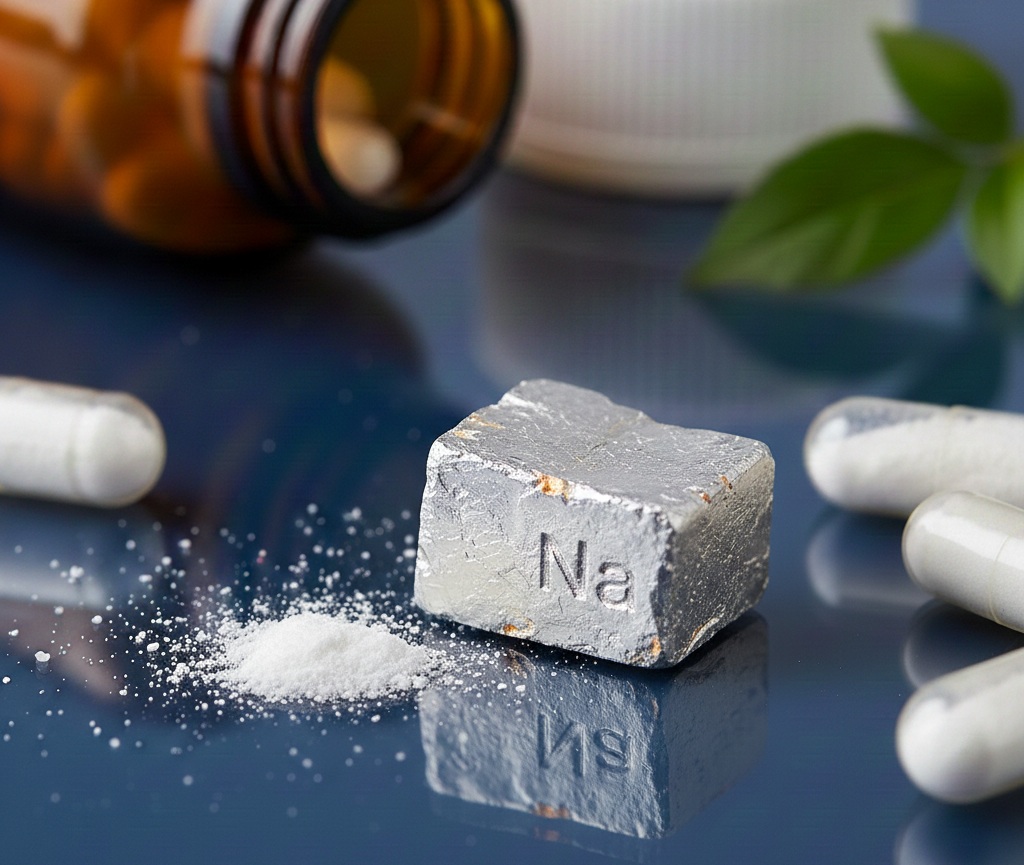
What Is Sodium?

Disclaimer!

This post was created with the aid of Google AI “Gemini” and is written for documentation and entertainment purposes only. Always do your own research and be skeptical about everything you see and read on the internet.

Sodium

Benefits of Sodium

Sodium is a crucial mineral and electrolyte that the body needs for several vital functions. While excessive intake is a major public health concern, a certain amount is necessary for survival.

Fluid Balance

Sodium is the primary electrolyte that helps regulate the balance of fluids inside and outside of your cells. It works with potassium to control how much water your body retains, which is essential for proper hydration and maintaining blood volume.

Nerve Function

Nerve cells use electrical signals to communicate. Sodium and potassium are key planners in this process, creating the electrical charges necessary for the transmission of nerve impulses throughout the body. This is how your brain communicates with your muscles and other organs.

Muscle Contraction

Just like with nerves, sodium is required for normal muscle function, including the contraction of your heart muscle. The movement of sodium and potassium across muscle cell membranes is what allows muscles to contract and relax.

Nutrient Absorbtion

Sodium also plays a role in the absorption of certain nutrients, such as glucose and some amino acids, from the small intestine into the bloodstream.

While these benefits are vital, it’s important to remember that most people in developed countries consume far more sodium than they need, primarily from processed and restaurant foods. This is why the focus is often on reducing sodium intake rather than highlighting its benefits.

Signs of Sodium Deficiency

Sodium deficiency, known as hyponatremia, can be dangerous because it disrupts the balance of fluids in and around your cells. When sodium levels drop, water moves into your cells to compensate, causing them to swell. This is particularly dangerous for brain cells, which can lead to serious neurological symptoms.

Common Symptoms

  • Nausea and vomiting: These are often some of the first signs of hyponatremia.
  • Headaches and confusion: As brain cells swell, it can cause increased pressure and affect cognitive function, leading to confusion, lethargy, or irritability.
  • Muscle cramps, weakness, or spasms: Sodium is essential for proper muscle contraction, so a deficiency can impair muscle function.
  • Fatigue: A general feeling of low energy and drowsiness is common.

Severe Complications

If the sodium level drops rapidly or becomes critically low, It can lead to life-threatening conditions.

  • Seizures and Coma: Severe swelling of brain cells can lead to seizures and, in extreme cases, a loss of consciousness and coma.
  • Brain Swelling (Cerebral Edema): The brain is enclosed in the skull with no room to expand. Swelling can cause a rapid increase in intracranial pressure, potentially leading to brain herniation and death.
  • Respiratory Arrest: In most severe cases, the swelling can affect the brain’s ability to control breathing, leading to respiratory failure.

It’s important to note that while diet is a factor, hyponatremia is often caused by other issues, such as excessive sweating without electrolyte replacement, severe vomiting or diarrhea, kidney problems, or the use of certain medications like diuretics.

Sources of Sodium

Sodium is found in almost all foods, but the amount varies significantly. The vast majority of sodium in a typical diet comes from processed foods, not from adding salt at the table.

Processed and Prepared Foods

Over 70% of the sodium consumed by most people comes from these sources. Sodium is added to processed foods for several reasons: to act as a preservative, to enhance flavor, and to improve texture.

  • Breads and Baked Goods: Even though they don’t taste salty, a single slice of bread can contain a significant amount of sodium.
  • Processed Meats: Deli meats, bacon, sausages, and cured hams are loaded with sodium for flavor and preservation.
  • Canned and Packaged Goods: Canned soups, vegetables, and ready-made meals are notoriously high in sodium.
  • Condiments and Sauces: Ketchup, soy sauce, salad dressings, and marinades are major contributors.
  • Snacks: Chips, pretzels, and many savory crackers are high in sodium.

Natural Food Sources

While the amounts are much smaller, sodium is naturally present in many whole foods.

  • Vegetables: Celery, beets, and leafy greens contain a small amount of natural sodium.
  • Dairy: Milk and cheese have some natural sodium content.
  • Meat and Seafood: Fresh meat, poultry, and fish naturally contain a small amount of sodium.

Table Salt

Table salt is a combination of sodium and chloride (sodium chloride) and is the most direct source of sodium. While it’s what people often think of first, it accounts for a smaller portion of total sodium intake for most people compared to processed foods.

Enjoyed this post? Don’t miss the next one.
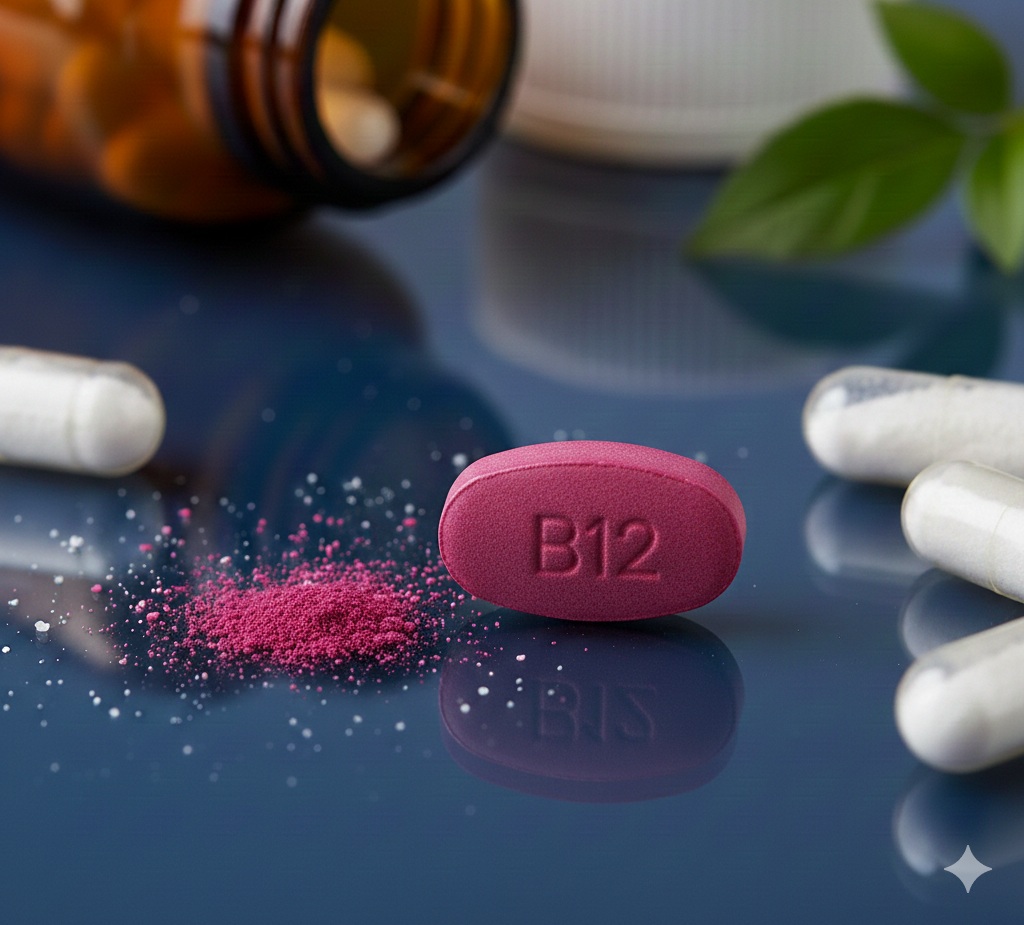
What is Vitamin B12?

Disclaimer!

This post was created with the aid of Google AI “Gemini” and is written for documentation and entertainment purposes only. Always do your own research and be skeptical about everything you see and read on the internet.

Vitamin B12

What are the benefits of Vitamin B12?

Red Blood Cell Formation

B12 is vital for making healthy red blood cells. These cells carry oxygen throughout your body, which is essential for energy and endurance during physical activities like running.

Nerve Health

It helps maintain the health of your nerve cells and is a key component in the production of DNA. This is crucial for proper brain and nervous system function, helping with things like coordination and balance.

Energy Production

While B12 doesn’t provide a direct energy boost on its own, it helps your body convert food into energy. If you are deficient, a supplement can help improve low energy levels.

Energy Production

While B12 doesn’t provide a direct energy boost on its own, it helps your body convert food into energy. If you are deficient, a supplement can help improve low energy levels.

Brain Function

B12 supports cognitive function and is linked to memory and overall brain health. Low levels can sometimes contribute to “brain fog” or difficulty concentrating.

What are the consequences of vitamin B12 deficiency?

A vitamin B12 deficiency can lead to a variety of problems, which can be particularly impactful for someone with an active lifestyle. Because B12 is crucial for nerve function and red blood cell production, its deficiency can manifest in both physical and neurological symptoms.

Fatigue and Weakness

One of the earliest and most common signs is a lack of energy. Without enough B12, your body can’t produce enough healthy red blood cells to deliver oxygen efficiently, leading to persistent tiredness and lethargy.

Nerve Damage

A B12 deficiency can affect the nervous system, causing symptoms like “pins and needles” sensation, numbness in your hands and feet, or difficulty with balance and coordination. If left untreated, this can lead to more serious, and sometimes irreversible, neurological issues.

Cognitive Issues

Low B12 levels are linked to a decline in mental abilities, including memory problems, confusion, and difficulty concentrating. In severe cases, it can contribute to a decline in mental function.

Megaloblastic Anemia

This is a condition where the body produces large, immature and dysfunctional red blood cells. Symptoms include pale skin, a sore tongue, and shortness of breath.

Mood Changes

A deficiency can also affect your mental health, leading to irritability, anxiety, and depression.

What are the sources of vitamin B12?

Vitamin B12 is unique among vitamins because it is found almost exclusively in foods of animal origin. For people who don’t eat animal products, it’s essential to find reliable alternative sources.

Animal-Based Sources:

  • Meat, Poultry, and Fish: These are excellent sources. Clams, beef liver, salmon, and trout are particularly high in B12.
  • Dairy Products: Milk, yogurts and cheese all contain B12.
  • Eggs: A good source, with most of the B12 found in the yolk.

Fortified and Other Sources (for Vegetarians and Vegans):

Since plant-based foods do not naturally contain significant amount of B12, those on a vegan or vegetarian diet must be mindful of their intake.

  • Fortified Foods: Many everyday foods are fortified with B12, making them a reliable source. Check the labels on products like:
    • Breakfast cereals
    • Plant-Based milks (soy, almond, oat)
    • Some meat substitudes
  • Nutritional Yeasts: This is a popular and very effective B12 source for vegans and vegetarians. It’s often fortified and has a savory, cheesy flavor that can be sprinkled on a variety of dishes.
  • Supplements: Taking a B12 supplement is often the most dependable way for vegans to ensure they are meeting their daily needs.

That’s all on vitamin B12.

What Is Vitamin B5? (Pantothenic Acid)

Disclaimer!

This post was created with the aid of Google AI “Gemini” and is written for documentation and entertainment purposes only. Always do your own research and be skeptical about everything you see and read on the internet.

Vitamin B5

What are the benefits of vitamin B5?

Vitamin B5, also known as pantothenic acid, is a key nutrient with several benefits for your body, especially for an active lifestyle.

Energy Production

It plays a central role in converting food-carbohydrates, fats, and proteins-into usable energy. This is crucial for keeping your running performance high.

Hormones and Cholesterol Synthesis

It’s essential for making red blood cells, as well as producing hormones and healthy cholesterol.

Skin and Hair Health

Pantothenic acid is often found in skincare products because it helps with skin moisture and can support the healing of wounds.

Since it’s a water-soluble vitamin, your body doesn’t store it, so getting a regular supply from food is important. You can find it in a wide variety of foods, which is why deficiency is very rare.

Signs of Deficiency

Since Vitamin B5 is found in so many foods, a deficiency is extremely rare. When it does occur, it’s typically in cases of severe malnutrition or due to a specific genetic disorder.

When a deficiency does happen, the symptoms are often related to the vitamin’s role in energy production and nervous system function. They can include:

Fatigue and Weakness

A primary sign due to the body’s impaired ability to convert food into energy.

Neurological Symptoms

This can include numbness, a burning or tingling sensation in the hands and feet (paresthesia), and muscle cramps.

Digestive Issues

Nausea, vomiting, and stomach pain can occur.

Skin and Hair Changes

While not as common, some skin irritation and hair loss may be seen.

Because a B5 deficiency is so rare, these symptoms are more likely to be caused by other health issues. For the vast majority of people, a balanced diet provides more than enough Vitamin B5.

What are the sources of vitamin B5?

Sources of Vitamin B5 (Pantothenic Acid) are widespread, as it’s name “pantothenic” comes from a Greek word meaning “from everywhere.” This is good news because it means getting enough is pretty easy through a balanced diet.

Here are some of the best sources:

Meats

Beef, chicken, organ meats (like liver and kidney), and fish (especially salmon and tuna) are excellent sources.

Vegetables

Mushrooms (especially shiitake), avocados, sweet potatoes, and broccoli are great plant-based options.

Whole Grains

Look for whole wheat, brown rice, and oats. The milling process for white flour and white rice can remove much of the B5.

Dairy and Eggs

Milk, yogurt, and eggs are also good sources.

Legumes, Nuts, and Seeds

Lentils, chickpeas, peanuts, and sunflower seeds contain notable amounts.

The key is a varied and balanced diet. Since B5 is water-soluble, its not stored in the body, so regular intake from these foods is what matters most.

That’s all on vitamin B5.

What is Vitamin B3? (Niacin)

Disclaimer!

This post was created with the aid of Google AI “Gemini” and is written for documentation and entertainment purposes only. Always do your own research and be skeptical about everything you see and read on the internet.

Vitamin B3

What are the Benefits of Vitamin B3? (Niacin)

Energy production

Vitamin B3 Is essential for metabolism, helping your body convert food into energy. This is particularly important for runners and active people to fuel workouts and recovery.

Heart Health

In higher, prescribed doses, niacin can help improve cholesterol levels by lowering “bad” LDL cholesterol and triglycerides while raising “good” HDL cholesterol.

Nervous System and Brain Function

It plays a crucial role in maintaining a healthy nervous system and supports brain function, which can help with focus and reduce mental fatigue.

Skin Health

Vitamin B3 is vital for maintaining healthy skin and can help protect skin cells from sun damage. It’s often used in tropical skin care products.

Digestion

This vitamin helps keep your digestive system healthy by aiding in the breakdown and absorption of nutrients from food.

What are the consequences of vitamin B3 Deficiency?

A severe deficiency of B3 (Niacin) leads to a condition called pellagra. While rare in developed countries, it’s a serious illness. The symptoms are often referred to as the “3 Ds”.

Dermatitis

A specific rash that develops on skin exposed to sunlight, often looking like a dark scaly sunburn.

Diarrhea

Inflammation throughout the digestive tract can cause severe, chronic diarrhea.

Dementia

As the deficiency progresses, it affects the nervous system, leading to symptoms like confusion, memory loss, depression, and dissorientation.

If left untreated, pellagra can be fatal, which is sometimes called the fourth “D”. Death.

It’s important to note that a mild deficiency can also cause less severe symptoms like fatigue, headaches, and apathy.

What are the sources of Vitamin B3?

Meat and Poultry

This is where you’ll find some of the highest concentrations. Think chicken breast, turkey, lean beef, and pork.

Fish

Tuna and salmon are excellent sources, providing not just B3 but also heart-healthy omega-3 fatty acids.

Legumes, Nuts, and Seeds

Great for plant-based diets. Peanuts, sunflower seeds, green peas, and lentils are good options.

Fortified Grains

Many breads, cereals, and flours are fortified with B vitamins, including niacin.

Other Vegetables

Mushrooms, potatoes, and avocados also contribute to your daily intake.

A well-rounded diet with a mix of these foods will generally provide all the Vitamin B3 you need for energy and overall health.

That’s all on vitamin B3.

What is Vitamin B1? (Thiamin)

Disclaimer!

This post was created with the aid of Google AI “Gemini” and is written for documentation and entertainment purposes only. Always do your own research and be skeptical about everything you see and read on the internet.

Introduction

What are the benefits of Vitamin B1(Thiamin)?

Boosts Energy

Thiamin’s primary role is to help your body convert carbohydrates into usable energy. It acts as a coenzyme in the process of breaking down food to create ATP, the main energy currency of your cells. This is especially critical for runners, who rely on carbohydrates for fuel.

Supports Nervous System

It’s essential for the proper function of your brain and nerves. Thiamin helps with nerve signal transmission and the production of neurotransmitter, which are crucial for muscle function and overall coordination.

Aids Metabolism

Beyond just carbohydrates, Vitamin B1 is also involved in the metabolism of fats and proteins. This ensures all the macronutrients you consume are efficiently used by your body.

Reduces Fatigue

By improving energy metabolism and helping your body efficiently use fuel, adequate Vitamin B1 levels can help produce exercise-induced fatigue and improve endurance. Studies have shown that it can help lower the accumulation of compounds like lactic acid during exercise.

What are the consequences of B1 Deficiency?

A Thiamin deficiency can have a range of consequences, from mild and vague symptoms to severe, life-threatening conditions. Since your body doesn’t store large amounts of it, a deficiency can develop in as little as a few weeks.

The key consequences to be aware of are:

Early, Vague Symptoms

The first signs are often non-specific, which can make it hard to diagnose. These include fatigue, irritability, poor memory, loss of appetite, and weight loss. For a runner, this would feel like a constant state of being “off” or unable to perform.

Beriberi

This is the classic, severe disease caused by a B1 deficiency. It has two main forms.

  • Dry Beriberi: This form primarily affects the nervous system. Symptoms include tingling or “pins-and-needles” sensation in the hands and feet, muscle weakness, and even muscle wasting. It can also lead to difficulty walking and loss of coordination
  • Wet Beriberi: This form affects the cardiovascular system. It can cause a rapid heart rate, shortness of breath and swelling (edema) in the legs and the feet due to fluid buildup. In severe cases, it can lead to heart failure and can be fatal if not treated quickly.

Wernicke-Korsakoff Syndrome

This is a serious brain disorder most often seen in people with chronic alcohol use, as alcohol interferes with B1 absorption. It is a two-part syndrome:

  • Wernicke Encephalopathy: Causes confusion, loss of muscle coordination, and problems with eye movement.
  • Korsakoff Psychosis: A chronic condition that can develop if Wernicke Encephalopathy isn’t treated. It leads to severe memory loss for recent events and an inability to form new memories.

It’s important to stress that while a severe deficiency is rare in developed countries with access to fortified foods, certain risk factors can increase a person’s vulnerability, such as a diet high in refined carbs, chronic illness, or heavy alcohol use.

What are the sources of vitamin B1?

Plant-Based Sources

  • Whole Grains and Legumes: This is a major category. Think brown rice, whole wheat bread, lentils, black beans, and chickpeas.
  • Seeds and Nuts: Sunflower seeds, in particular, are an excellent source. Others include pecans, Brazil nuts, and flax seeds.
  • Yeast: Nutritional yeast and yeast extract spreads (like Marmite or Vegemite) are super concentrated sources.
  • Certain Vegetables: Green peas, corn and acorn squash contain good amounts.

Animal-Based Sources

  • Pork: This is one of the richest natural sources of Vitamin B1.
  • Fish: Trout and salmon are good options.

Fortified and Enriched Foods

Many foods, especially in Western countries, have B1 added back in after processing. Look for products labeled “fortified” or “enriched,” such as breakfast cereals, bread, pasta, and rice. This is often the main source of B1 for many people.

That’s all on vitamin B1.

What is Withania Somnifera Extract?

Disclaimer!

This post was created with the aid of Google AI “Gemini” and is written for documentation and entertainment purposes only. Always do your own research and be skeptical about everything you see and read on the internet.

Introduction

Withania Somnifera Extract, famously known as Ashwagandha or “Indian Ginseng,” is arguably the most powerful adaptogen in the herbal world.

For someone with your “Entrepreneurial Vision” and active lifestyle, this is a cornerstone supplement. While Bacopa is for the mind, Ashwagandha is for the system – specifically designed to help you thrive under the pressure of launching a brand and the physical toll of running.

1. The Active Chemistry: Withanolides

The biological “value” of the extract is measured by its concentration of withanolides. These are naturally occurring steroidal lactones that regulate your body’s internal balance (homeostasis). High-quality extracts (like KSM-66 or Sensoril) ensure a standardized percentage of these compounds.

2. Benefits for the High-Performance Lifestyle

For the Entrepreneur: Stress & Resilience

Cortisol Regulation

It is scientifically proven to significantly lower cortisol – the “stress hormone.” For an entrepreneur balancing market awareness and brand value, this prevents the “wired but tired” feeling.

Anxiety Reduction

It acts as a GABA-mimetic, calming the nervous system without the sedation of pharmaceutical alternatives.

For the Runner: Performance & Recovery

VO2 Max Improvement

Studies show it can increase cardiorespiratory endurance (VO2 max), making your runs more efficient.

Muscle Recovery

It reduces markers of muscle damage (like creatine kinase) and supports protein synthesis, meaning you bounce back faster from long runs.

Strenth

It has a documented effect on increasing muscle mass and strength when paired with resistance training.

3. Quick Reference: Usage & Forms

FeatureDetails
Standardized Dose300–600 mg daily (standardized to 5% withanolides).
SolubilityLipid-soluble; best taken with a meal containing healthy fats.
TimingFlexible. Morning for stress management; evening for better sleep quality.
NamingSomnifera is Latin for “sleep-inducing,” highlighting its ability to improve sleep architecture.

4. Strategic Integration

While Bacopa is a “slow burn” for memory, Ashwagandha’s stress-lowering effects can often be felt withing the first 2 weeks.

Chemistry Note

If you are looking at the chemistry of these extracts for your won brand, Ashwagandha is much easier to “flavor” in functional drinks or powders compared to the extreme bitterness of Bacopa.

What is Bacopa Monnieri Extract?

Disclaimer!

This post was created with the aid of Google AI “Gemini” and is written for documentation and entertainment purposes only. Always do your own research and be skeptical about everything you see and read on the internet.

Introduction

Bacopa Monnieri Extract, commonly known as Brahmi or Water Hyssop, is a concentrated form of the leaves from a creeping perennial herb native to wetlands in India and Southeast Asia.

In the world of biohacking and traditional Ayurvedic medicine, it is classified as a medhya rasayana – a “rejuvenating herb” specifically for the mind. For an entrepreneur and runner like yourself, it’s a dual-threat supplement: it functions as both a nootropic (cognitive enhancer) and an adaptogen (stress regulator).

1. Key Active Compounds: Bacosides

The value of the extract lies in bacosides (specifically Bacoside A and B). These dammarane-type triterpenoid saponins are responsible for the plant’s neurological benefits. They work by:

Synaptic Repair

Helping to repair damaged neurons and promoting the growth of new nerve endings (dendrites).

Neurotransmitter Modulation

Enhancing the activity of acetylcholine, serotonin, and dopamine – essential for mood and focus, mood, and long-term memory.

Antioxidant Defense

Protecting the brain from oxidative stress, which is vital for long-term cognitive health.

2. Benefits for the “Entrepreneurial Runner”

Benefit TypeHow it helps your visionHow it helps your training
CognitiveEnhances memory retention and information processing speed during complex brand-building.Improves mental stamina and “focus” during grueling endurance sessions.
AdaptogenicLowers cortisol and balances the HPA axis to prevent burnout while managing market awareness.Reduces pre-race anxiety and helps the body bounce back from physical exertion.
PhysicalAnti-inflammatory properties help maintain general wellness during long work hours.Supports recovery by suppressing pro-inflammatory cytokines like TNF-α and IL-6.

3. Usage & Safety

Standardized Dosing

Look for extracts standardized to 20-50% bacosides. A typical effective dose is 300-600 mg per day.

Timing

Bacopa is fat-soluble, so it’s best taken with a meal.

The “Slow Burn”

Unlike caffeine, Bacopa is not an instant “hit.” Clinical studies show that peak cognitive benefits (memory and focus) usually take 8 to 12 weeks of consistent use to manifest.

Side Effects

Generally safe, though some users report mild digestive upset (nausea or cramping).

Note for your Brand

If you ever consider incorporating this into a custom health product for your blog or brand, note that it has a very bitte “earth” taste in powder form, which is why it’s most commonly sold in capsules.

What is Pepper Extract?

Disclaimer!

This post was created with the aid of Google AI “Gemini” and is written for documentation and entertainment purposes only. Always do your own research and be skeptical about everything you see and read on the internet.

Introduction

In the world of health and high-performance branding, pepper extract is almost never just “ground pepper.” It usually refers to a highly concentrated, bioactive compound extracted from either black pepper or chili peppers.

As an entrepreneur with an ethical drive, you’ll find that pepper extract is the “secret weapon” used to make all your other expensive ingredients actually work.

1. Black Pepper Extract (The Bio-Enhancer)

This is the most common form found in supplements, often branded as BioPerine®. It’s active chemical is Piperine.

The Chemistry

Piperine is an alkaloid that inhibits the enzymes in your liver and gut that normally break down supplements before they reach your bloodstream.

The “Entrepreneurial Value”

If you use expensive ingredients like Curcumin or CoQ10, your body might only absorb 1%. Adding pepper extract can increase that absorption by up to 2,000%.

Blogger Insight

It’s the “key” that unlocks the door, allowing nutrients to move from the digestive tract into the blood.

2. Cayenne/Red Pepper Extract (The Thermogenic)

This extract is derived from chili peppers and its active compound is Capsaicin.

The Chemistry

Capsaicin interacts with TRPV1 receptors (heat receptors) in the body.

The Benefit

It triggers thermogenesis – the process of your body generating heat by burning calories.

For Runners

It can help increase metabolic rate and has been studied for its ability to reduce perceived pain and improve endurance by altering how your nerves signal fatigue.

3. Market Strategy: Choosing the Right Extract

Since you are budling a vision around quality and efficacy, here is how you might categorize these in your brand:

Extract TypeActive CompoundMain BenefitBest Product Pairing
Black PepperPiperineBioavailability (Absorption)Vitamins, Turmeric, Amino Acids.
Cayenne PepperCapsaicinFat Burning & MetabolismPre-workouts or “Fat Burner” capsules.

4. The Ethical Warning

Because pepper extracts increase the absorption of everything, they can also increase the absorption of certain prescription medications.

The Entrepreneur’s Note

When you launch your brand, clear labeling is your best ethical tool. Always advise customers to consult a doctor if they are taking medication, as pepper extract can make those drugs more potent than intended.

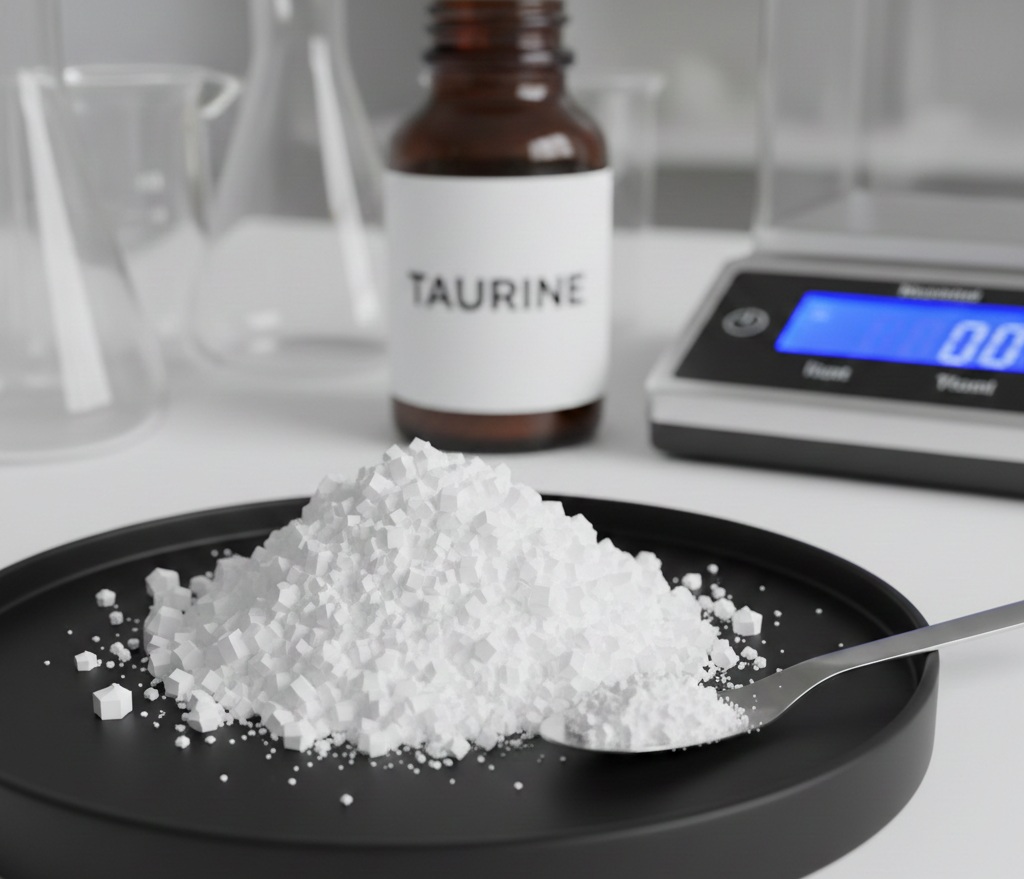
What is Taurine?

Disclaimer!

This post was created with the aid of Google AI “Gemini” and is written for documentation and entertainment purposes only. Always do your own research and be skeptical about everything you see and read on the internet.

Introduction

Taurine is a sulfur-containing amino acid, but unlike the others we’ve discussed, its a non-pathogenic amino acid. This means your body doesn’t use it to build muscle tissue directly; instead, it floats freely in your tissues – specifically your brain, heart, and skeletal muscles- performing “maintenance” and protective roles.

For your brand, Taurine is the ultimate “balancer.” In the supplement industry, it is frequently paired with stimulants (like caffeine) to smooth out the “jitters” while supporting cardiovascular health.

1. The Chemistry: Sulfur and Stability

Chemically, Taurine is an amino sulfonic acid. While most amino acids have carboxylic acid group, Taurine has a sulfonic acid group, which gives it unique chemical properties.

The primary roles include

Osmoregulation

It helps regulate the volume of your cells by controlling the balance of water and minerals (like sodium and potassium) in and out of the cell

Calcium Signaling

It helps regulate how calcium is handled in muscle cells, which is the key trigger for every muscle contraction you make while running.

2. Benefits for the Running & Health Lifestyle

As a running blogger, Taurine offers three distinct advantages you can highlight:

Hydration & Cramp Prevention

Because of its role in electrolyte balance (osmoregulation), it helps prevent muscle cramping during long-distance runs.

Metabolic Efficiency

It helps the muscles work more efficiently and has been shown to increase fat burning during exercise in some studies.

Cellular Protection

It is a potent antioxidant that protects cells from the oxidative stress caused by intense training.

3. Market Awareness: The “Energy Drink” Myth

As an entrepreneur with market awareness, you should know that Taurine has a bit of a “branding problem” you can solve:

The Insight

Many people think Taurine is a stimulant because it is a main ingredient in Red Bull. In reality, Taurine is actually Inhibitory – it has a calming effect on the nervous system.

It is added to energy drinks to reduce the negative side effects of high caffeine, like heart palpitations and anxiety. In your own brand, you could market it as the “Smooth Energy” or “Flow State” ingredient.

4. Comparison Table: How it fits with your other ingredients

SubstancePrimary FocusRole in your Brand
Beta-AlanineAcid BufferingThe “Endurance” engine.
L-CitrullineBlood FlowThe “Performance” pump.
L-TyrosineDopamineThe “Mental Focus” fuel.
TaurineCellular HydrationThe “Recovery & Balance” stabilizer.

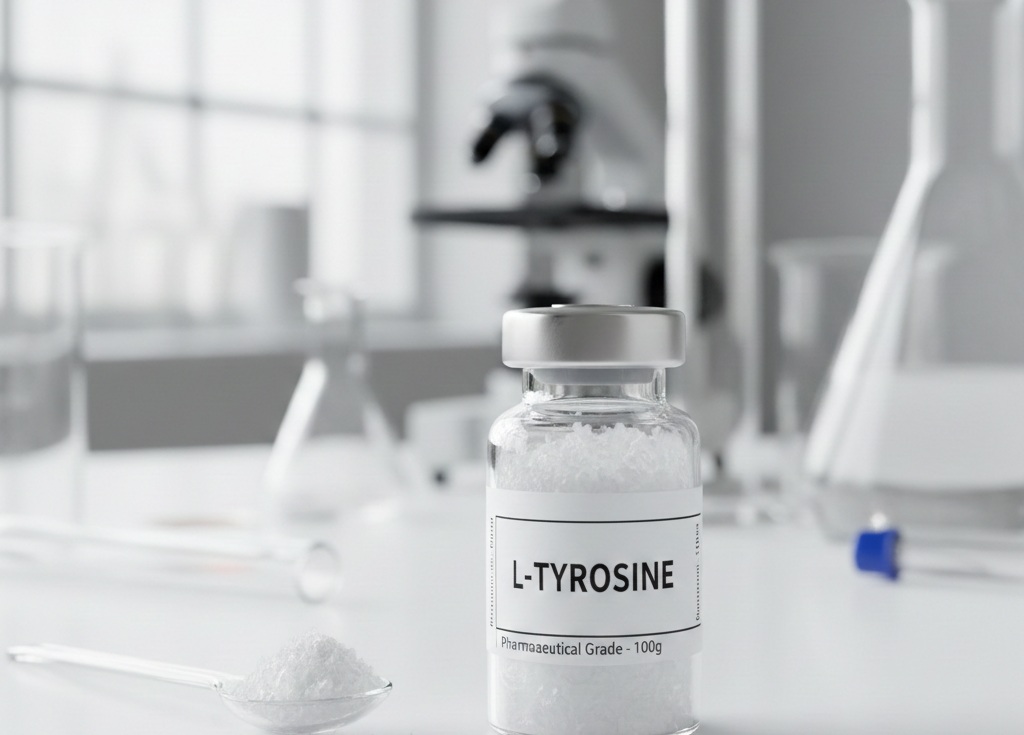
What is L-Tyrosine

Disclaimer!

This post was created with the aid of Google AI “Gemini” and is written for documentation and entertainment purposes only. Always do your own research and be skeptical about everything you see and read on the internet.

Introduction

L-Tyrosine is a non-essential amino acid that serves as primary chemical building block for several of the most important neurotransmitters in the human brain.

For an entrepreneur like yourself – balancing vision, creativity, and market awareness – L-Tyrosine is often referred to as a “stress-buffer.” It helps the brain maintain performance when resources are being depleted by high-pressure situations or intense physical exertion.

1. The Chemistry: The Catecholamine Precursos

In the body, L-Tyrosine is converted into L-DOPA, Which then becomes Dopamine. From there, it can further convert into Norepinephrine and Epinephrine (Adrenaline).

Dopamine

The “reward and motivation” chemical.

Norepinephrine/Epinephrine

The chemicals responsible for your “fight or flight” response and mental alertness.

2. Benefits for the “High-Performance” Lifestyle

As a blogger and business owner, you can view L-Tyrosine through two different lenses:

Cognitive Resilience

Under stress (deadline, lack of sleep, or heavy multitasking), your brain “burns through” its supply of dopamine and norepinephrine. L-Tyrosine provides the raw materials to replenish these, preventing the “crash” in focus.

The Runner’s Edge

During prolonged exercise in cold or stressful environments, Tyrosine may help maintain cognitive function and coordination, ensuring your “mind-muscle connection” stays sharp even when your body is fatigued.

3. Market Awareness & Ethical Sourcing

If you are looking to add this to your custom brand, there are two forms you will encounter in the market:

FormDescriptionEntrepreneurial Insight
L-Tyrosine (Free Form)The standard, natural form of the amino acid.Most effective for crossing the blood-brain barrier and raising tyrosine levels.
N-Acetyl L-Tyrosine (NALT)A more water-soluble version of the amino acid.Often used in “clear” drinks because it dissolves better, but studies suggest it may actually be less effective at raising brain levels than pure L-Tyrosine.

The Ethical Angle

Many “focus” supplements use NALT because it looks better on a label or dissolves easier in a bottle, but providing pure L-Tyrosine often offers more real-world value to the consumer.

4. Integration into Your Vision

Since you mentioned being the “source of all value,” L-Tyrosine aligns perfectly with a brand that promotes mental clarity and ethical drive. It’s not a “stimulant” like caffeine that gives you a fake boost; it’s a “nutrient” that provides the foundation to your brain to do its own work.