
Disclaimer!
This post was created with the aid of Google AI “Gemini” and is written for documentation and entertainment purposes only. Always do your own research and be skeptical about everything you see and read on the internet.
Vitamin B12
What are the benefits of Vitamin B12?
Red Blood Cell Formation
B12 is vital for making healthy red blood cells. These cells carry oxygen throughout your body, which is essential for energy and endurance during physical activities like running.
Nerve Health
It helps maintain the health of your nerve cells and is a key component in the production of DNA. This is crucial for proper brain and nervous system function, helping with things like coordination and balance.
Energy Production
While B12 doesn’t provide a direct energy boost on its own, it helps your body convert food into energy. If you are deficient, a supplement can help improve low energy levels.
Energy Production
While B12 doesn’t provide a direct energy boost on its own, it helps your body convert food into energy. If you are deficient, a supplement can help improve low energy levels.
Brain Function
B12 supports cognitive function and is linked to memory and overall brain health. Low levels can sometimes contribute to “brain fog” or difficulty concentrating.
What are the consequences of vitamin B12 deficiency?
A vitamin B12 deficiency can lead to a variety of problems, which can be particularly impactful for someone with an active lifestyle. Because B12 is crucial for nerve function and red blood cell production, its deficiency can manifest in both physical and neurological symptoms.
Fatigue and Weakness
One of the earliest and most common signs is a lack of energy. Without enough B12, your body can’t produce enough healthy red blood cells to deliver oxygen efficiently, leading to persistent tiredness and lethargy.
Nerve Damage
A B12 deficiency can affect the nervous system, causing symptoms like “pins and needles” sensation, numbness in your hands and feet, or difficulty with balance and coordination. If left untreated, this can lead to more serious, and sometimes irreversible, neurological issues.
Cognitive Issues
Low B12 levels are linked to a decline in mental abilities, including memory problems, confusion, and difficulty concentrating. In severe cases, it can contribute to a decline in mental function.
Megaloblastic Anemia
This is a condition where the body produces large, immature and dysfunctional red blood cells. Symptoms include pale skin, a sore tongue, and shortness of breath.
Mood Changes
A deficiency can also affect your mental health, leading to irritability, anxiety, and depression.
What are the sources of vitamin B12?
Vitamin B12 is unique among vitamins because it is found almost exclusively in foods of animal origin. For people who don’t eat animal products, it’s essential to find reliable alternative sources.
Animal-Based Sources:
- Meat, Poultry, and Fish: These are excellent sources. Clams, beef liver, salmon, and trout are particularly high in B12.
- Dairy Products: Milk, yogurts and cheese all contain B12.
- Eggs: A good source, with most of the B12 found in the yolk.
Fortified and Other Sources (for Vegetarians and Vegans):
Since plant-based foods do not naturally contain significant amount of B12, those on a vegan or vegetarian diet must be mindful of their intake.
- Fortified Foods: Many everyday foods are fortified with B12, making them a reliable source. Check the labels on products like:
- Breakfast cereals
- Plant-Based milks (soy, almond, oat)
- Some meat substitudes
- Nutritional Yeasts: This is a popular and very effective B12 source for vegans and vegetarians. It’s often fortified and has a savory, cheesy flavor that can be sprinkled on a variety of dishes.
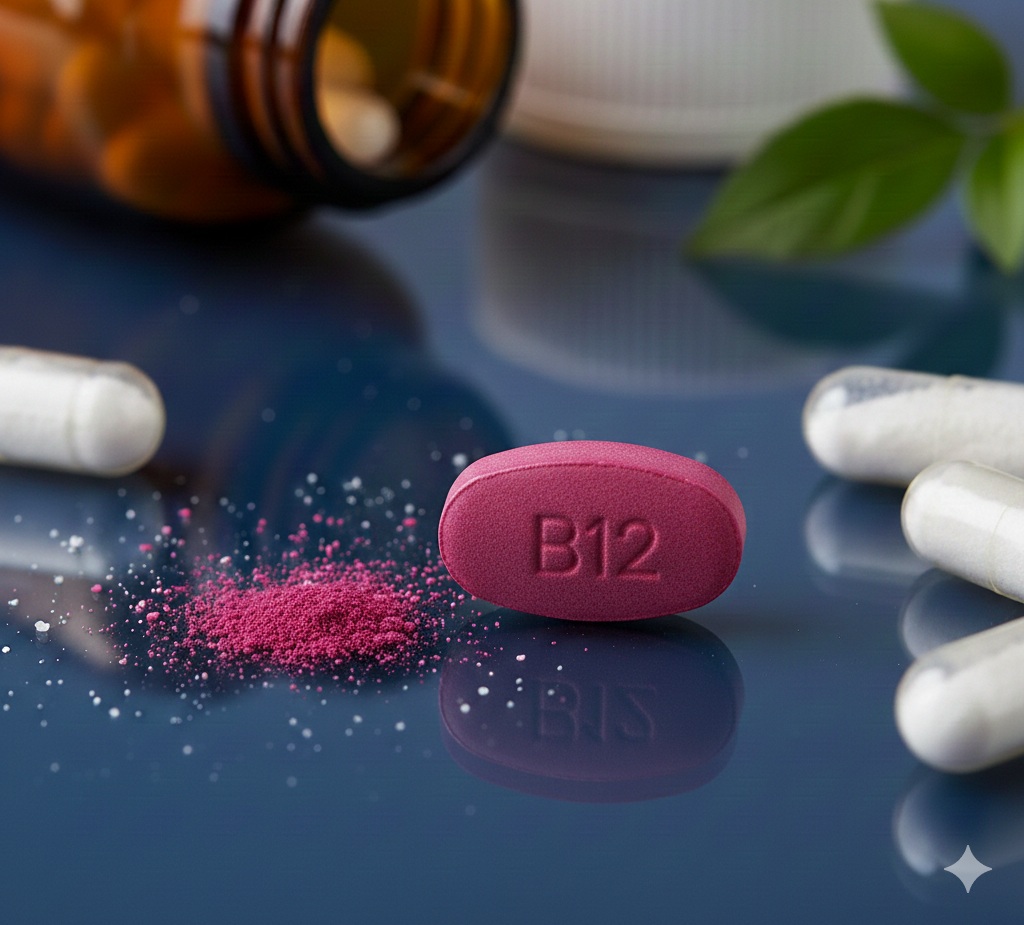
- Supplements: Taking a B12 supplement is often the most dependable way for vegans to ensure they are meeting their daily needs.
That’s all on vitamin B12.

 ZutisBljeg