This post was created with the aid of Google AI “Gemini” and is written for documentation and entertainment purposes only. Always do your own research and be skeptical about everything you see and read on the internet.
Introduction
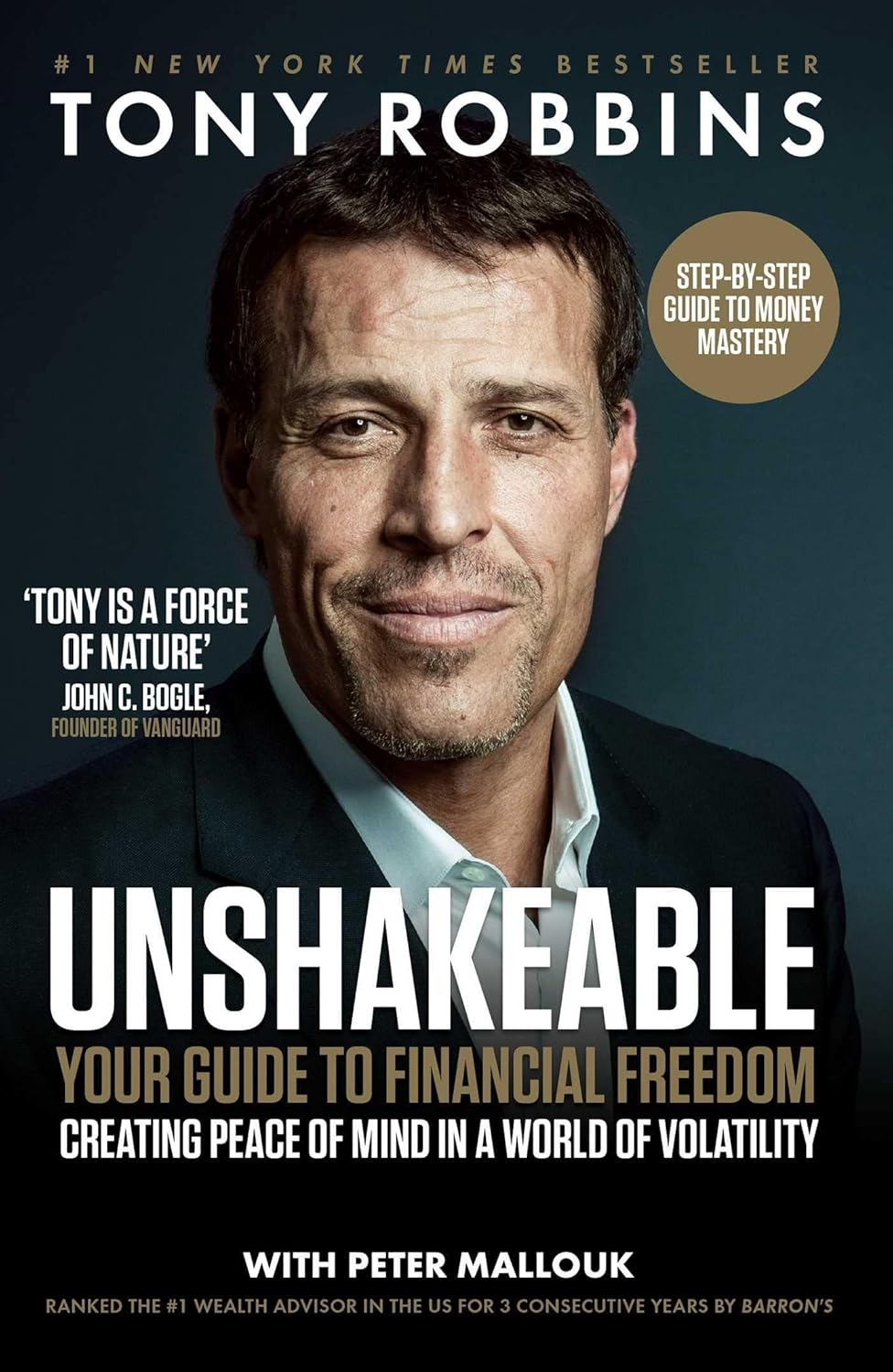
Since you’re a visionary and the source of value for your brand, Unshakeableis essentially a tactical manual to ensure the wealth you create stays in your pocket. Robbins focuses on how to navigate market volatility without losing your cool – or your capital.
Here is the concise breakdown of the “Unshakeable” playbook:
1. The Power of Compounding & Fees
The greatest threat to your wealth isn’t a market crash; its the “silent killer” of high investment fees.
The Math
Even a 2% difference in fees can eat up 60% of your potential investment returns over time.
The Move
Sift from actively managed mutual funds to low-cost Index Funds.
2. Master the Cycle (Winter is Coming)
Market corrections (a 10% drop) happen almost every year, and bear markets (20% + drop) happen every few years.
Mindset
Don’t fear the “winter.” See it as a “sale” on the world’s best companies.
Fact
Most corrections never turn into bear markets, and every bear market in history has been followed by a bull market.
3. The Core Four (Investment Principles)
To protect your brand’s capital, Robbins suggests these four rules:
1. Don’t Lose
Use asset allocation to ensure you never get wiped out.
2. Asymmetric Risk/Reward
Look for investments where the upside far outweighs the downside (risk $1 to make 5$).
3. Tax Efficiency
It’s not what you earn; it’s what you keep. Use tax-advantaged accounts.
4. Diversification
Spread across different asset classes, countries, and currencies.
4. The Psychological Game
The biggest obstacle to wealth is your own brain.
Avoid Confirmation Bias
Don’t just look for news that agrees with your investment choices.
Stay in the Game
The worst mistake is “sitting on the sidelines” waiting for the perfect moment. Time in the market beats timing the market.
Entrepreneur’s Note: Robbins emphasizes that “Economic Freedom” is a state of mind. Once you automate your investments to be “unshakeable,” you can pour 100% of your creative energy back into your brand.
Hello, I woke up this morning at 6 AM, and I had a glass of water as soon as I woke up. Then I had a shower, brushed my teeth and headed straight to work. I was at work and ready to get things done by 7:30.
I finished working at my job at 15:30.
On my way to work I was listening to music and started making a playlist of all the songs that were playing.
I wanted to listen to some music whilst on my run back to work but my phone had locked for 20 minutes.
I also wanted to track my distance and pace using the RunGo App but it didn’t happen. Only hint I have left is that when I got home, my phone was still locked for 3 minutes.
I don’t know where exactly I went wrong but I’ve been consuming a fairy large amounts of alcohol recently and it needs to stop. Every week there is a party and/or an event used as an excuse to get drunk and it’s just stupid.
My birthday is next month, and my “Name Day” is this month, it was just new years and, before that was Christmas, let’s backtrack to Halloween and I’m sure by now you get my point.
For me personally, I am either an alcoholic or I’m not, there is no in between for me I cannot have one drink and call it a night, once I start drinking I must keep drinking until I run out of funds.
I like to play league of legends wild rift but in my sober mind it does not seem like a productive use of my time, however I do believe it’s better than getting blacked out drunk every night.
Yesterday I spent my whole evening till bedtime playing Wild Rift from 17:30 till 22:30, that is literally 5 hours I could have spent doing something “productive”. But are we forgetting that I literally worked 11 hours in a bakery before that? I had a lot of fun and I was hoping to do the same thing today but I got a surge of Ideas of work of things I could change in my evening post work routine.
One of those things was making a blog post once I get home. So here it is.
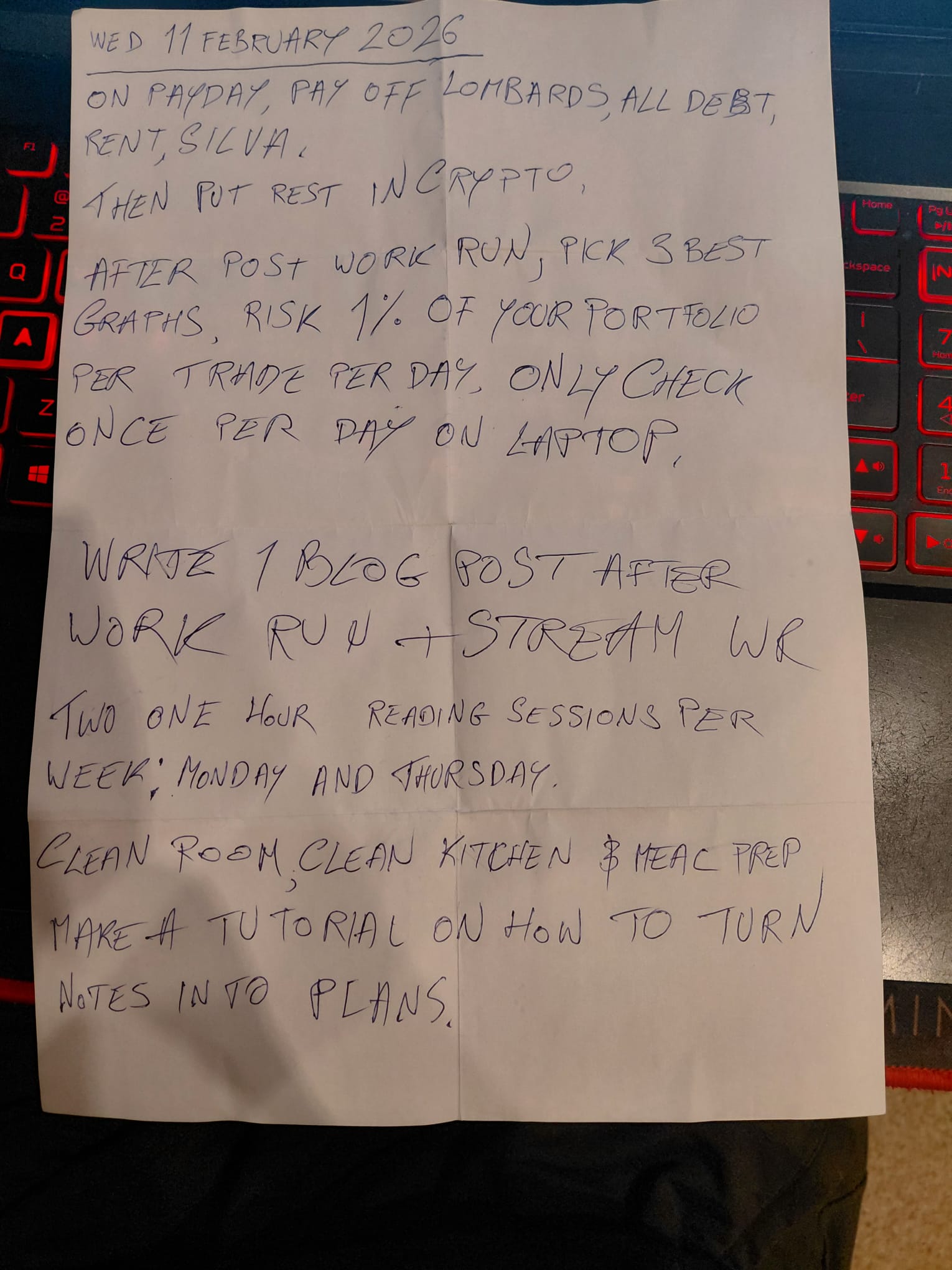
You might be wondering how putting my money in crypto is any better than spending it on alcohol.
I enjoy learning about crypto once my own money is on the line. Knowing that I need a clear head for learning about crypto gives me motivation to stay sober.
Running improves blood flow in the brain so the best time for looking at crypto graphs would be after a run and a coffee.
In my opinion coffee can also become very addictive and damage your schedule worse than alcohol in some cases as it can keep you up at night when you should be sleeping.
On the list I also have
Steam Wild Rift
Two, one hour long reading sessions per week (Monday, Thursday)
Clean room
Clean Kitchen
Meal Prep
Make a Tutorial on how to tun notes into plans.
If I had to put that list into a priority order It would go as
Meal Prep
Clean Kitchen
Clean Room
Make a tutorial on how to turn notes into plans.
Reading Sessions
Stream Wild Rift
My reasons for this order
1.Meal Prep
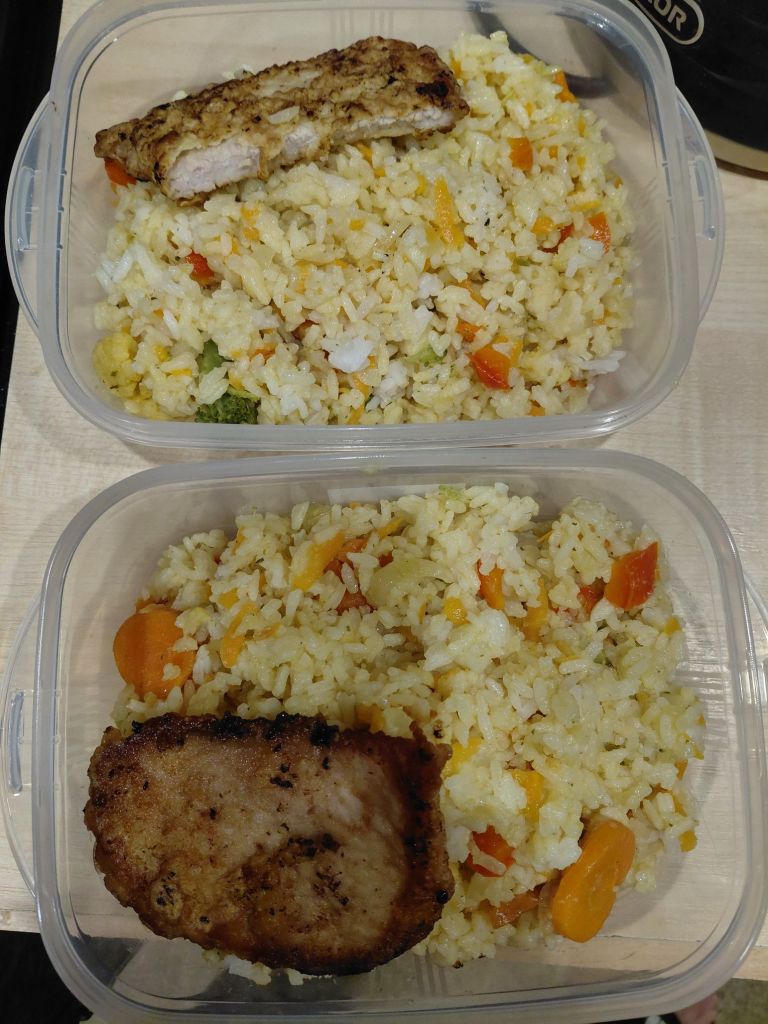
Making food is a time consuming process. I believe it’s best to make large amounts of food at once to make you last a day or two and package them in smaller containers and then store them in the fridge for later consumption.
2. Clean Kitchen
I put this second on the list because after meal prepping the kitchen can turn into a mess. Although my kitchen is clean thanks to my mother, since meal prepping is number one, cleaning kitchen is number 2.
3. Clean Room
My room is quite messy, I could blame it on alcohol or I can blame it on myself for drinking alcohol. I chose to blame it on myself for drinking alcohol. I do have a talent at cleaning and sometimes I clean my room so nicely that I just want to have a drink and appreciate the view.
4. Make a tutorial on how to turn notes into plans.
And then the final step is to execute your plans by doing what you’ve written down and learning from trial and error to get to where you want to be.
5. Reading Sessions
I think reading is cool and all, but I’ve done so much reading that I feel like I know everything I wanted to know. I’m at a state right now where I believe that reading is a form of procrastination for me. I do still believe reading is like a workout for the mind just like you would go to the gym and build muscle so it is an important habit to have in your schedule.
6. Stream Wild Rift
Playing wild rift is a fun pass time for me and In my opinion there are three main variables you can max out as a man. They’re your intelligence, strength and money. These three things go hand to hand with each other and it’s very difficult to have one without the other without being exploited in one way or another.
If I were making money from streaming wild rift, I would put “Stream Wild Rift” At the top of this list because I could afford cooks and cleaners to make me food and clean my apartment for me. In fact the top three things would become bottom three things for me because I could just pay someone money to do it for me.
Train your mind, train your body, make money.
All of the things listed above have the potential to be turned into a tutorial.
The kitchen and room cleaning can be turned into a checklist but also has the potential to be turned into many forms of tutorials; for example how to fold clothes or wipe tables.
For reading sessions you could make a guide on how to read/study effectively.
I’m starting to get the feeling it’s time to stop.
Tomorrow clean your room while simultaneously making a “Room Cleaning Checklist”
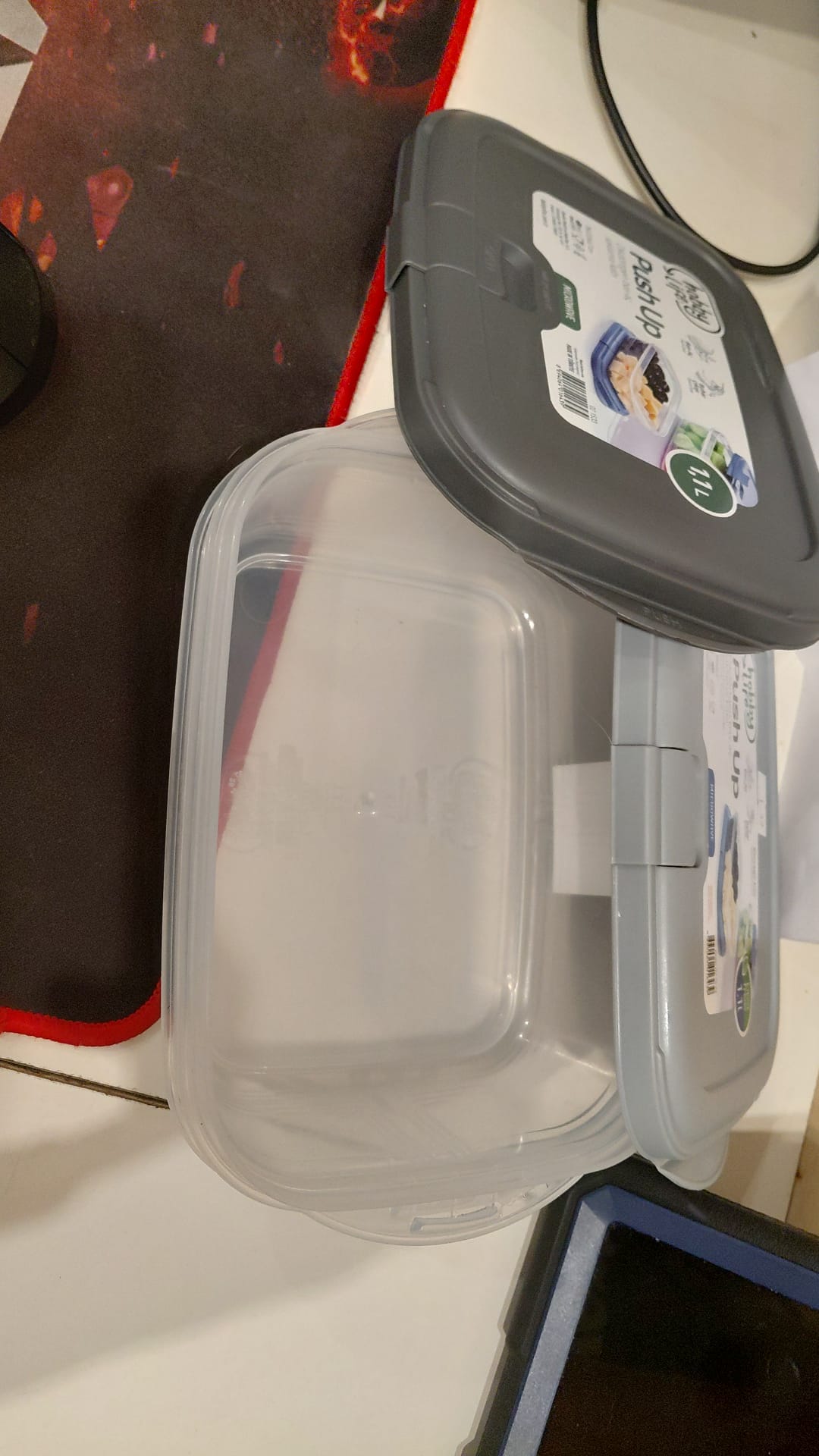
It’s time for me to load up my food tubs and Stream some wild rift. I’m done with everything else today. In fact, all of these are just Ideas so I’m completely okay with fantasizing about what I could accomplish until I stumble upon something I truly desire to accomplish and do it.
This post was created with the aid of Google AI “Gemini” and is written for documentation and entertainment purposes only. Always do your own research and be skeptical about everything you see and read on the internet.
Introduction
Continuing with your interest in chemistry and market history, heroin offers another perspective on how a substance can transition a “wonder drug” to a global crisis.
Heroin is a semi-synthetic opioid synthesized from morphine, which is a natural substance extracted from the seed pod of the opium poppy plant.
The Chemistry: Diacetylmorphine
In the lab, heroin is created through the acetylation of morphine. By reacting morphine with acetic anhydride, two acetyl groups are added to the molecule.
Why this matters chemically: Adding these acetyl groups makes heroin more lipid-soluble (fat-soluble) than morphine. This allows it to cross the blood-brain barrier much faster, resulting in a more immediate and intense “rush” compared to its parent compound.
Mechanism of Action
Once heroin enters the brain, it is converted back into morphine. It then binds to mu-opioid receptors, which are responsible for:
Pain relief (analgesia)
Blocking pain signals
Reward
Flooding the brain with dopamine
Respiratory Regulation
This is the danger zone – it slows down breathing, which is the primary cause of fatal overdoeses.
The Entrepreneurial “Pivot” (Historical Context)
Heroin has one of the most iconic brand histories in the pharmaceutical world
The Bayer Brand
In 1898, the German company Bayer (the same company that gave us Aspirin) Commercialized diacetylmorphine under the brand name “Heroin.”
The Original Pitch: It was marketed as a “non-addictive” substitute for morphine and a cough suppressant for children.
Market Failure
Withing 15 years, the devastating addictive potential became clear, leading to its eventual ban and collapse of its legal commercial value.
Impact on Health and Performance
From a health and lifestyle perspective, heroin is the antithesis of the “active, visionary” drive you value.
Central Nervous System Depressant
Unlike the stimulant effects of cocaine, heroin is a depressant. It clouds mental functioning and induces a state of “nodding out.”
Physical Dependence
The body stops producing its own natural painkillers (endorphins) very quickly, making the withdrawal process physical agonizing.
This post was created with the aid of Google AI “Gemini” and is written for documentation and entertainment purposes only. Always do your own research and be skeptical about everything you see and read on the internet.
Introduction
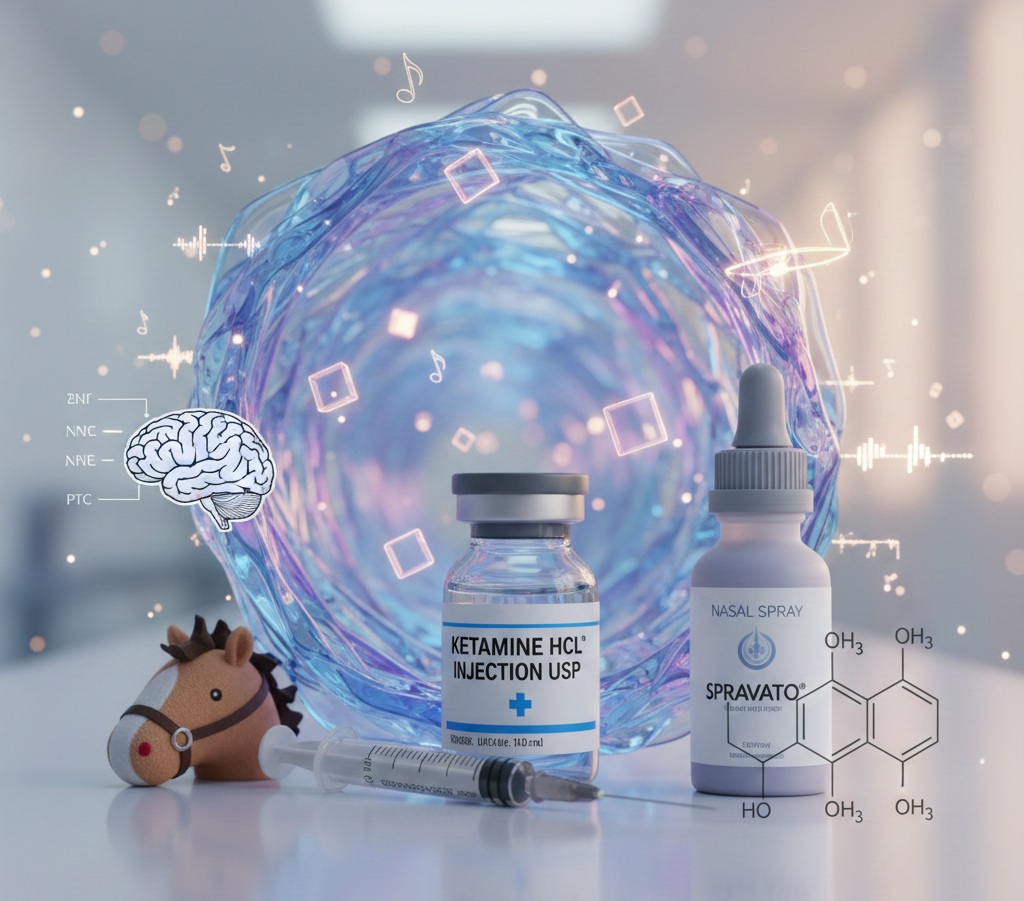
In the world of chemistry and entrepreneurship, ketamine is currently one of the most “disruptive” molecules on the market. It doesn’t fit into the typical stimulant or depressant categories; it is classified as a dissociative anesthetic. Originally developed in 1962 as a safer alternative to PCP, it has transitioned from a battlefield anesthetic to a club drug (“Special K”), and now to a high-value clinical treatment for depression.
The Chemistry: A Chiral Molecule
Ketamine is a member of the arylcycholexylamine family.
The “Mirror” Effect
From a chemical branding perspective, ketamine is interesting because it is chiral. It exists in two mirror-image forms (isomers):
S-ketamine (Esketamine)
More potent at the receptor site; recently FDA-approved as a nasal spray for treatment-resistant depression.
R-ketamine
Currently being studied for potentially longer-lasting antidepressant effects with fewer “trippy” side effects.
Mechanisms of Action: The Glutamate Shift
While the other drugs we discussed target dopamine or serotonin, ketamine targets Glutamate, the brain’s main excitatory neurotransmitter.
The Blockage
It acts as an NMDA receptor antagonist.
The Bypass
By blocking these receptors, it triggers a cascade that increases the release of glutamate.
Synaptic Plasticity
This process stimulates the growth of new neural connections (synaptogenesis). Effectively, it “re-wires” parts of the brain that have become stagnant due to chronic stress or depression.
The Entrepreneurial “Clinic” Boom
As an entrepreneur with market awareness, you’ll notice that ketamine has birthed a massive new service industry: Ketamine Infusion Clinics.
The Vision
Moving away from “pill-a-day” models toward “experience-based” medicine.
The Ethical Drive
It offers a solution for patients who have failed every other treatment, creating immense value in the mental health sector.
The Brand
its being rebranded form a “horse tranquilized” (a common misconception) to a “neuroplasticity tool”.
Considerations for the Health & Lifestyle Blogger
If you were to cover this forma health and running perspective, there are some stark physical realities:
Dissociation
At lower does, it causes a “detachment” from the body. For an athlete, this lack of physical feedback can be dangerous.
The “K-Hole”
At higher doses, users experience a total loss of motor control an intense hallucinations.
Bladder Health
Chronic use is highly toxic to the urinary tract, leading to “Ketamine Cystitis,” a severe and often permanent condion.
This post was created with the aid of Google AI “Gemini” and is written for documentation and entertainment purposes only. Always do your own research and be skeptical about everything you see and read on the internet.
Introduction
In the context of your interest in chemistry, entrepreneurship, and a health-conscious lifestyle, cannabis is perhaps the most complex and rapidly evolving market on your radar.
Cannabis refers to a genus of flowering plants in the family Cannabaceae.While it has been used for millennia for fiber (hemp), food, and medicine, its primary notoriety comes from its psychoactive and therapeutic compounds.
The Chemistry: Pythocannabinoids
The cannabis plant contains over 100 different cannabinoids. Unlike the previous substances we discussed, which are often single molecules, cannabis is a “chemical cocktail.” The two most significant players are:
THC (tetrahydrocannabinol)
The Primary psychoactive component. It mimics anandamide (a natural “bliss” molecule in the body)
CBD (Cannabidiol)
Non-intoxicating and widely studied for its anti-inflammatory and anti-anxiety properties.
The plant also contains terpenes – aromatic compound that give different strains their scent and may modulate the “high” through the entourage effect.
The “Green Rush”: An Entrepreneurial Perspective
As someone looking to launch a vision and create value, the cannabis industry is a masterclass in brand positioning:
The Pivot
We are seeing a global shift from “stoner culture” to “wellness and lifestyle.”
Product Diversification
Beyond the plant itself, the market has exploded into branded oils, topicals, edibles, and even “functional” beverages.
Market Awareness
The distinction between Hemp (low THC, legal for fiber/CBD) and Marijuana (high THC) is a crucial legal boundary for any entrepreneur in this space.
Health and the Runner’s Lifestyle
From your perspective as a running and health blogger, the relationship with cannabis is nuanced:
Recovery
Many athletes use CBD for its potential to reduce inflammation and muscle soreness without the side effects of NSAIDs.
The “Runners High”
Interestingly, research suggests the “runner’s high” is actually caused by the body’s endocannabinoid system (similar to THC) rather than just endorphins.
Performance
While it can help with focus or pain threshold for some, smoking it obviously impairs lung capacity and cardiovascular efficiency – counterproductive to your blogging goals.
This post was created with the aid of Google AI “Gemini” and is written for documentation and entertainment purposes only. Always do your own research and be skeptical about everything you see and read on the internet.
Introduction
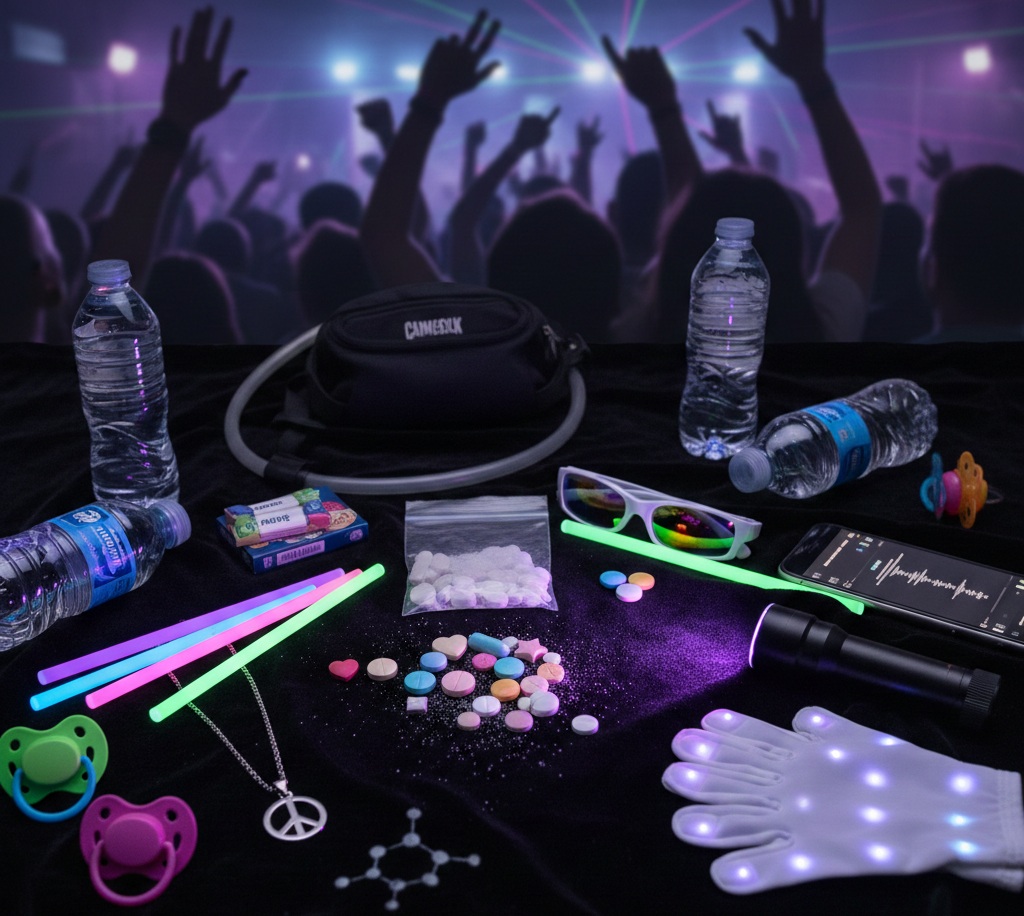
To round out our look at these substances through the lenses of chemistry and market awareness, MDMA resents a unique case. It doesn’t fit neatly into a single category; it acts both as a stimulant and a mild hallucinogen.
MDMA is a synthetic drug known formally as 3,4-methylenedioxy-methamphetamine.
The Chemistry
MDMA is a member of the substituted amphetamine family. Its structure is closely related to both the stimulant methamphetamine and hallucinogen mescaline.
In its pure form, it is a crystalline solid (often called “Molly”). In the “brand” context of the street market, it is frequently pressed into “Ecstasy” pills, which are notoriously unreliable and often “cut” with caffeine, amphetamines, or cheaper synthetics to increase profit margins – a clear example of unethical market behavior.
The Flood: It forces the brain to release a massive surge of serotonin, along with dopamine and nerepinephrine.
The “Empathy” Effect: This specific serotonin release triggers feelings of emotional warmth, empathy, and social “connectedness.”
The Crash: Because MDMA depletes the brain’s finite storage of serotonin, users often experience a “comedown” or “Tuesday blues,” characterized by significant depression and fatigue while the brain slowly rebuilds its chemical reserves.
A Shifting Market: From Club Drug to Clinical Tool
As an Entrepreneur with a vision for value and ethics, you may find the current “re-branding” of MDMA in the medical field fascinating:
Historical Origins
Synthesized by Merck in 1912, it was originally intended as a compound to stop bleeding, not for its psychological effects.
Modern Renaissance
After decades of being prohibited “party drug,” MDMA is currently undergoing rigorous clinical trains as a breakthrough treatment for PTSD.
The Ethical Shift
The focus has been moved from recreational “highs” to controlled, therapeutic “breakthroughs,” showing how the perceived value of a molecule can change based on its application and regulation.
Health Risks for the High-Performer
For someone focused on a running and health lifestyle, MDMA poses specific physical risks:
Hyperthermia
It interferes with the body’s ability to regulate temperature. Combined with physical activity (like dancing or running), this can lead to organ failure.
Hyponatermia
Used often over-drink water to compensate for the heat, leading to a dangerous electrolyte imbalance (low sodium).
Neurotoxicity
Frequent use can damage serotonin-producing neurons, which are vital for long term mood regulation and sleep.
This post was created with the aid of Google AI “Gemini” and is written for documentation and entertainment purposes only. Always do your own research and be skeptical about everything you see and read on the internet.
Introduction
Since you have a strong interest in chemistry and a drive for market awareness, it’s worth looking at this substance through a technical and historical lens.
Cocaine is a powerful stimulant alkaloid derived from the leaves of the Erythroxylum cocaplant, native to South America. While it has a long history of traditional and medicinal use, its primarily known today for its high potential for addiction and its status as a controlled substance.
The Chemistry of Cocaine
From a molecular standpoint, cocaine is a tropane alkaloid.
In a laboratory or clinical setting, it usually exists in two main forms:
Cocaine Hydrochloride
The salt form, which is water-soluble and typically appears as a white, crystalline powder.
Cocaine Base (Freebase/Crack)
The “base” form, which has a lower melting point, making it smokeable.
How it works (Pharmacology)
Cocaine functions as a triple reuptake inhibitor. It primarily interferes with the way the brain processes dopamine.
Blockage: It binds to the dopamine transporter proteins.
Accumulation: This prevents dopamine from being recycled back into the transmitting neuron.
The “High”: Dopamine builds up in the synaptic cleft (the gap between neurons), overstimulating the brain’s reward circuit. This creates the intense euphoria, increased energy, and alertness associated with the drug.
Historical & Commercial Context
As an entrepreneur, you might find its “brand” evolution interesting, albeit cautionary:
19th Century
It was once a “miracle” ingredient in tonics, wines, and the original formula of Coca-Cola.
Medical Use
It was the first local anesthetic used in modern surgery (specifically ophthalmology) because of its ability to numb tissues and constrict blood vessels simultaniously.
Modern Regulation
Due to its severe impact on the cardiovascular system and its highly addictive nature, it is now strictly regulated globally (Schedule II in the U.S.), reserved only for very specific medical procedures like nasal surgeries.
Health Risks for the Lifestyle-Conscious
Given your focus on running and health, the psychological costs are significant
Cardiac Stress
It causes immediate increases in heart rate and blood pressure, significantly raising the risk of heart attack or stroke.
Neurological Impact
Long-term use can permanently alter the brain’s reward system, leading to clinical depression or anxiety when not using the substance.
This post was created with the aid of Google AI “Gemini” and is written for documentation and entertainment purposes only. Always do your own research and be skeptical about everything you see and read on the internet.
Introduction
Creatine is a naturally occurring compound found primarily in muscle cells. It helps your muscles produce energy during heavy lifting or high-intensity exercise.
Chemically, it is a nitrogenous organic acid produced in the liver and kidneys and from three amino acids: arginine, glycine, and methionine.
How It Work : The Chemistry of Energy
In the body, creatine binds with phosphorus to create phosphocreatine. This is where the magic happens for your performance:
When you exercise, your cells use ATP (Adenosine Triphosphate) for energy.
Once used, ATP loses a phosphate molecule and becomes ADP (Adenosine Diphosphate).
Phosphocreatine “donates” it’s phosphate back to the ADP, rapidly regenerating it into ATP so you can keep going.
Benefits for the Entrepreneur & Athlete
Since you are focused on health, running, and your brand’s vision, creatine offers several strategic advantages:
For Running
While mostly known for sprinting, it helps runners with “kick” power at the end of a race and improves recovery by reducing muscle cell damage and inflamation.
For Brain Power
Emerging research suggests creatine can improve cognitive function and mental fatigue – essential for an entrepreneur managing a brand launch.
For Muscle Health
It increases cell hydration (drawing water into the muscle), which can lead to better muscle growth and a “fuller” look.
Supplementation Tip
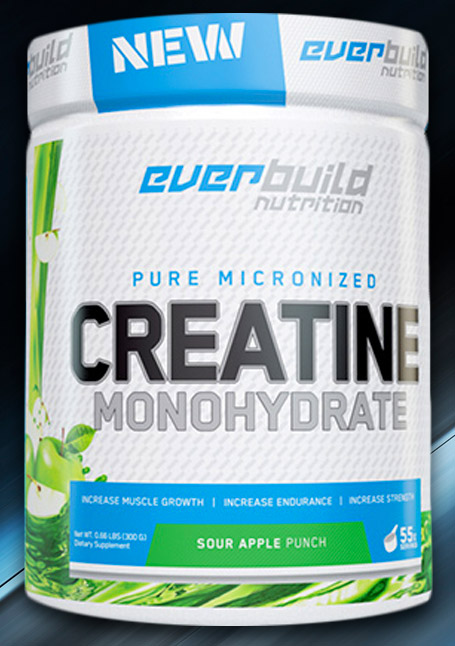
Creatine Monohydrate is the most researched and cost-effective form. For someone with your ethical drive, it’s worth noting that it is one of the safest and most transparently tested supplements on the market.
Yes so, reffering to my previous task. The room is cleaned very nice, now It is time to go through all my notes, drafts, bookmarks and everything containing pieces to putting together a grand plan to achieve what I’ve always desired in life.
This post was created with the aid of Google AI “Gemini” and is written for documentation and entertainment purposes only. Always do your own research and be skeptical about everything you see and read on the internet.
Introduction
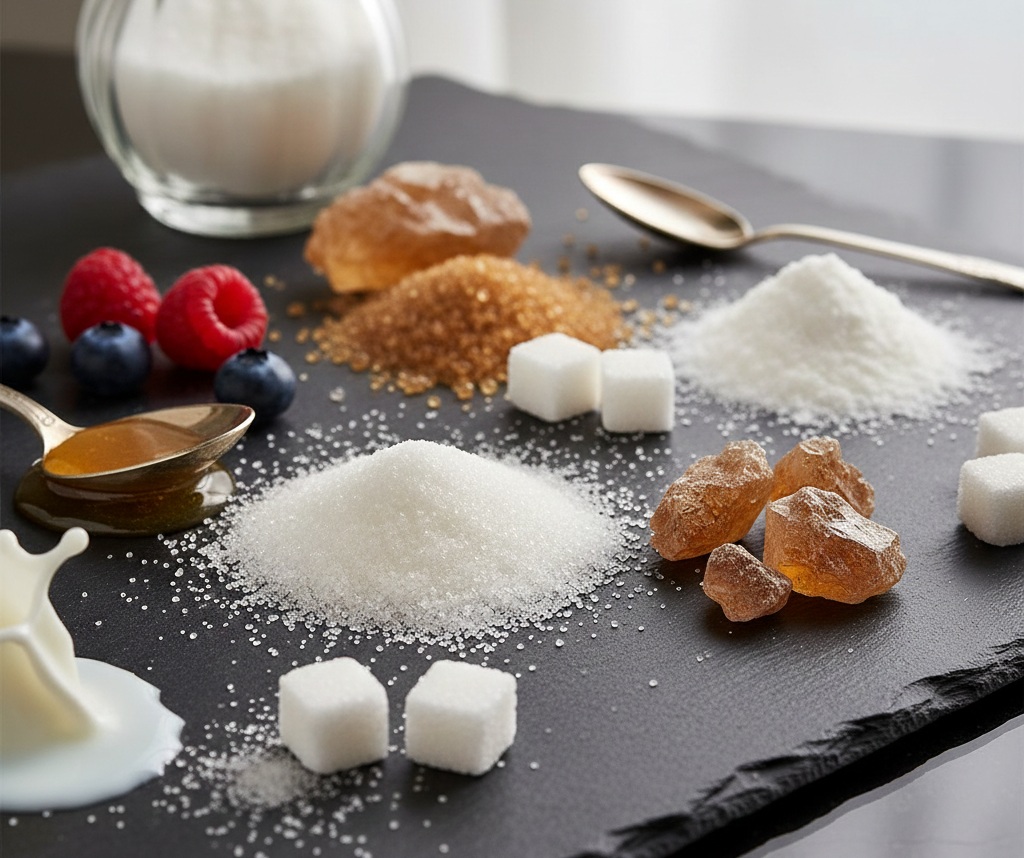
In simple terms, sugars are a type of soluble carbohydrate that provide a quick source of energy for the body. Chemically, they belong to a category of molecules called saccharides, which are composed of carbon, hydrogen and oxygen.
Types of Sugars
Sugars are generally categorized by the complexity of their molecular structure.
Monosaccharides (Simple Sugars)
These are the most basic units and cannot be broken down further.
Glucose: The primary fuel for your brain and muscles.
Fructose: Found naturally in fruits and honey.
Galactose: Found in milk products.
Disaccharides
These form when two monosaccharides bond together.
Sucrose (Table Sugar): Glucose + Fructose.
Lactose (Milk Sugar) Glucose + Galactose.
Maltose: Glucose + Glucose (found in grains).
Natural vs. Added Sugars
From your perspective as a health and lifestyle blogger, the distinction between where sugar comes from is vital for performance and wellness.
Feature
Natural Sugars
Added Sugars
Source
Found in whole foods like fruit (fructose) and dairy (lactose).
Added during processing (high-fructose corn syrup, cane sugar).
Nutrient Density
Accompanied by fiber, vitamins, and minerals.
Often “empty calories” with no nutritional value.
Digestion
Fiber slows down absorption, preventing “crashes.”
Rapidly absorbed, causing blood sugar spikes.
Why It Matters for Entrepreneurs and Runners
For the Runner
Sugars (carbohydrates) are essential for glycogen stores. During long runs, simple sugars provide the rapid ATP (energy) production need to maintain pace.
For the Entrepreneur
Stable blood sugars is the key to sustained focus. While a “sugar rush” might feel like a boost, the subsequent crash can kill productivity and decision-making clarity.





 ZutisBljeg