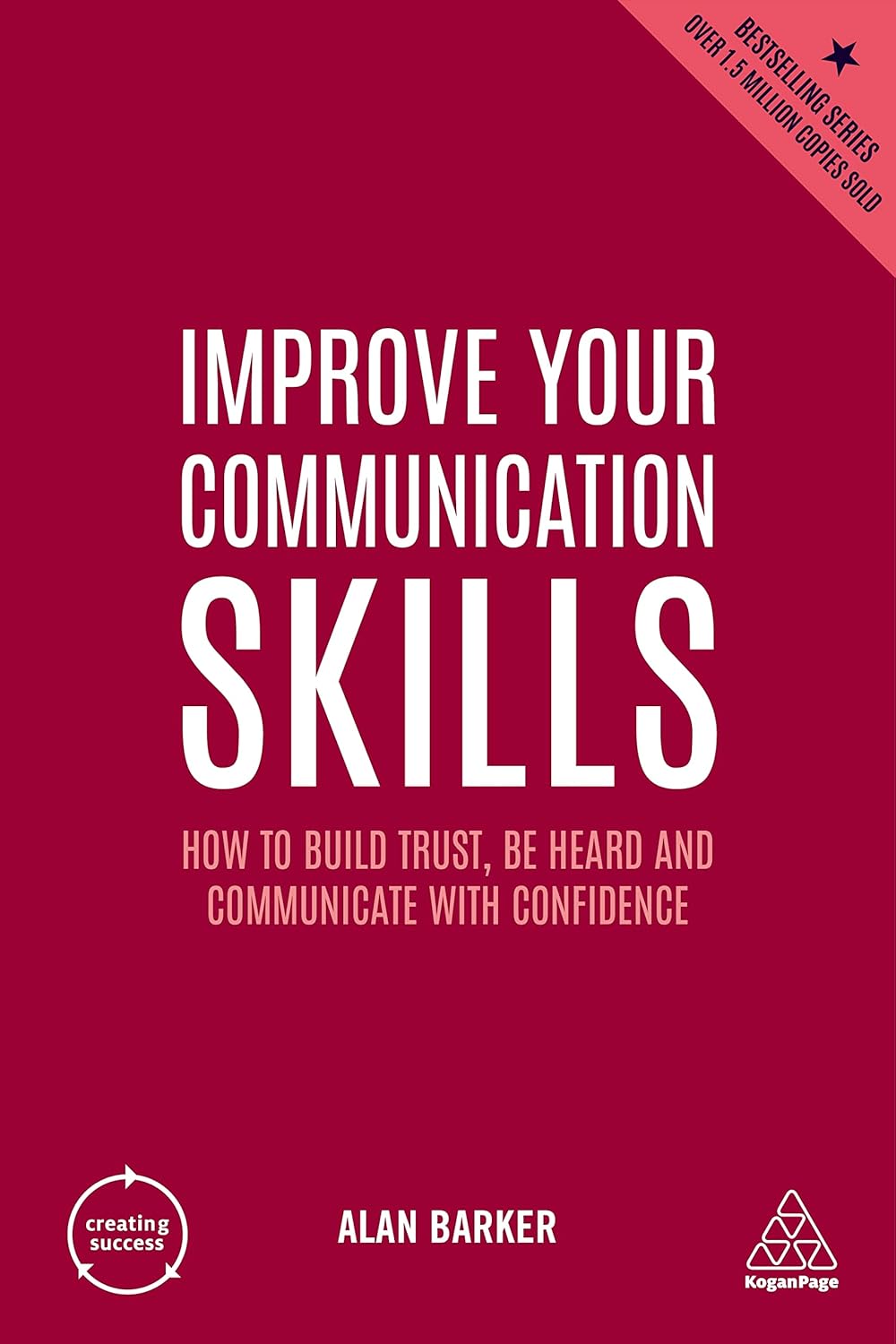
Alan Barker – Improve Your Communication Skills [A.I. Recap]

Disclaimer!

This post was created with the aid of Google AI “Gemini” and is written for documentation and entertainment purposes only. Always do your own research and be skeptical about everything you see and read on the internet.

Introduction

In “Improve Your Communication Skills,” Alan Barker provides a highly structured professional guide to mastering interpersonal dynamics. For an entrepreneur, this book is essential because it treats communication as a system – much like a chemical reaction – where the right inputs yield predictable, high – value outputs.


1. The “Two-Way” Communication Model

Barker emphasizes that communication is never a one – way street; it is a loop of sending and receiving.

The Message vs The Meaning

What you say is rarely exactly what the other person hears. You must “encode” your vision (your brand’s value) into a language your audience understands.

Barriers to Entry

Recognize physical, mental, and emotional “noise” that can distort your message. As a blogger, you know that clarity and brevity are the best ways to cut through this noise.

2. The Power of Persuasion (The 4 P’s)

To sell your branded notebooks, pens and clothing, Barker suggests a strategic approach to influence.

Preparation

Know your facts (Market Awareness).

Presentation

How you package the information.

Personal Touch

Building rapport and showing your ethical drive.

Persistence

Following up without being aggressive.

3. Active Listening and Questioning

Barker argues that the best communicators are actually the best “investigators.”

Open vs. Closed Questions

Use open questions (“What do you look for in a custom notebook?”) to gather intelligence and closed questions to confirm decisions.

Reflective Listening

Mirroring the other person’s sentiments to build trust and ensure your “market awareness” is accurate.

4. Writing with Impact

Since you are a blogger and brand owner, Barker’s advice on written communications particularly relevant

The “So What?” Test

Every sentence must provide value. If it doesn’t serve the reader, cut it.

Structure for Speed

Use headings, bullet points, and clear summaries (the same style you prefer for your blog).

Visual Clarity

How a document looks affects how it is read.

5. Managing Conflict and Difficult Conversations

Communication isn’t always smooth. Barker offers a “Chemistry” for handling tension

Separate the Person form the Problem

Focus on the business issue (the notebook design, the shipping delay) rather than personal traits.

The “Win-Win” Outcome

Aligning with your goal to “benefit all parties involved,” Barker teaches how to negotiate so that everyone leaves the table feeling valued.


Why this fits your Vision

You are the source of all the value in your brand. Barker’s techniques ensure the this vale isn’t lost in translation. By mastering these “soft skills,” you turn your creativity and ethics into a professional presence that commands respect in the marketplace.


Harvard Business Review – Confidence [A.I. Recap]

Disclaimer!

This post was created with the aid of Google AI “Gemini” and is written for documentation and entertainment purposes only. Always do your own research and be skeptical about everything you see and read on the internet.

Introduction

In the HBR Emotional Intelligence Series: Confidence, Harvard Business Review examines the science of self-assurance – not as an innate trait someone is born with, but as a mental muscle that can be developed through competence and deliberate practice.

For a visionary entrepreneur, this book provides the framework to transition from “believing in your brand” to “executing your brand” with authoritiy.


1. The competence-Confidence Loop

HBR argues that real confidence is not just “thinking you are great”; it is the byproduct of competence.

The Cycle

You take an action, achieve a result, and that success fuels your confidence to take a larger action next time.

Preparation is Key

Confidence is highest when you have done the “chemistry” of the work – market research, product testing, and strategy.

2. Overcoming the “Confidence Gap”

The series addresses the psychological hurdles that prevent even high achievers from stepping up:

Imposter Syndrome

Acknowledging that feeling like a “fraud” is common among entrepreneurs. The book suggests focusing on the value you provide rather than your internal insecurities.

The perfectionism Trap

High standards are good, but waiting for the “perfect” launch can kill momentum. Confidence comes from being comfortable with “good enough” to start and “brave enough” to iterate.

3. Presence and Influence

Confidence must be communicated effectively to “benefit all parties involved.”

Executive Presence

This isn’t about being the loudest person in the room; it’s about being the most grounded. It involves using your Focus to listen deeply and respond with clarity.

Body Language

The book references research on how physical posture can actually lower cortisol (the stress hormone) and increase testosterone (the “dominance” hormone), making you feel more powerful.

4. Resilient Confidence

Since you are the source of all value in your vision, your confidence must be durable enough to withstand failure.

Self – Compassion

HBR notes that being kind to yourself after a mistake is more effective for building confidence than harsh self criticism.

Growth Mindset

Viewing every setback not as a reflection of your worth, but as data point to improve your brand’s “chemistry.”


How this aligns with your Vision

As the “Entrepreneur,” your confidence is the anchor for your brand. When you act with confidence, your ethical drive becomes contagious, making it easier to sell your custom clothing and notebooks.

This book reinforces that your market awareness and creativity are the foundations upon which your confidence is built.

Robert Greene – 33 Strategies of War [A.I. Recap]

Disclaimer!

This post was created with the aid of Google AI “Gemini” and is written for documentation and entertainment purposes only. Always do your own research and be skeptical about everything you see and read on the internet.

Introduction

In “The 33 Strategies of War,” Robert Greene transitions form the historical battlefield to the “social battlefield” of daily life. For an entrepreneur like you, this book isn’t about the literal combat; it’s about strategic psychology, resource management, and maintaining the competitive edge necessary to launch a vision and protect your brand.


1. Self – Directed Warfare (Internal Mastery)

Before you can lead a brand, you must lead yourself.

The Polarity Strategy

Identify your “enemies” (internal doubts or external competitors) to create a sense of purpouse.

The Death-Ground Strategy

Create a sense of urgency. When you act as if there is no “Plan B,” you tap into a higher level of creativity and energy.

The Counter-Offensive

Stay fluid. Do not let your past success or rigid habits dictate your future moves.

2. Organizational Warfare (Leadership & Team)

Greene emphasizes that a leader is only as strong as the structure they build.

Command-and-Control

Avoid “groupthink.” While you value collaboration, the vision must remain clear and centralized (aligning with your role as the “source of value”).

The Mission Strategy

Motivate people by connecting them to a higher cause – in your case, your ethical drive and brand vision.

Controlled Chaos

Give your team enough freedom to be creative, but keep them focused on the ultimate objective.

3. Defensive Warfare (Protection)

As you grow, you must protect your brand’s reputation and resources.

The Perfect-Economy Strategy

Conserve your energy and “chemistry.” Don’t fight battles that don’t matter; focus only on moves that provide the highest ROI.

Deterrence

Build a brand presence so strong and a reputation so ethical that others are discouraged from trying to undermine you.

4. Offensive Warfare (Growth & Market Awareness)

To take market share, you must be bold and unconventional.

The Flanking Manouver

Don’t attack competitors head-on. Find the “blind spots” in the market – like a specific custom clothing niche – and fill them.

The Blitzkrieg

Once you have a clear opening, move with speed and overwhelming force to establish your brand before others can react.

The Moral High Ground

Use your ethical drive as a weapon. When people see your brand benefits all parties involved, they will naturally align with you.


Why this fits your Vision

Greene notes that “Strategy is the art of looking at the world with a cold, clear eye.” This complements your market awareness. While your brand is built on ethics and creativity, these 33 strategies ensure that your vision isn’t just a dream, but a sustainable reality that can withstand the pressure of the business world.

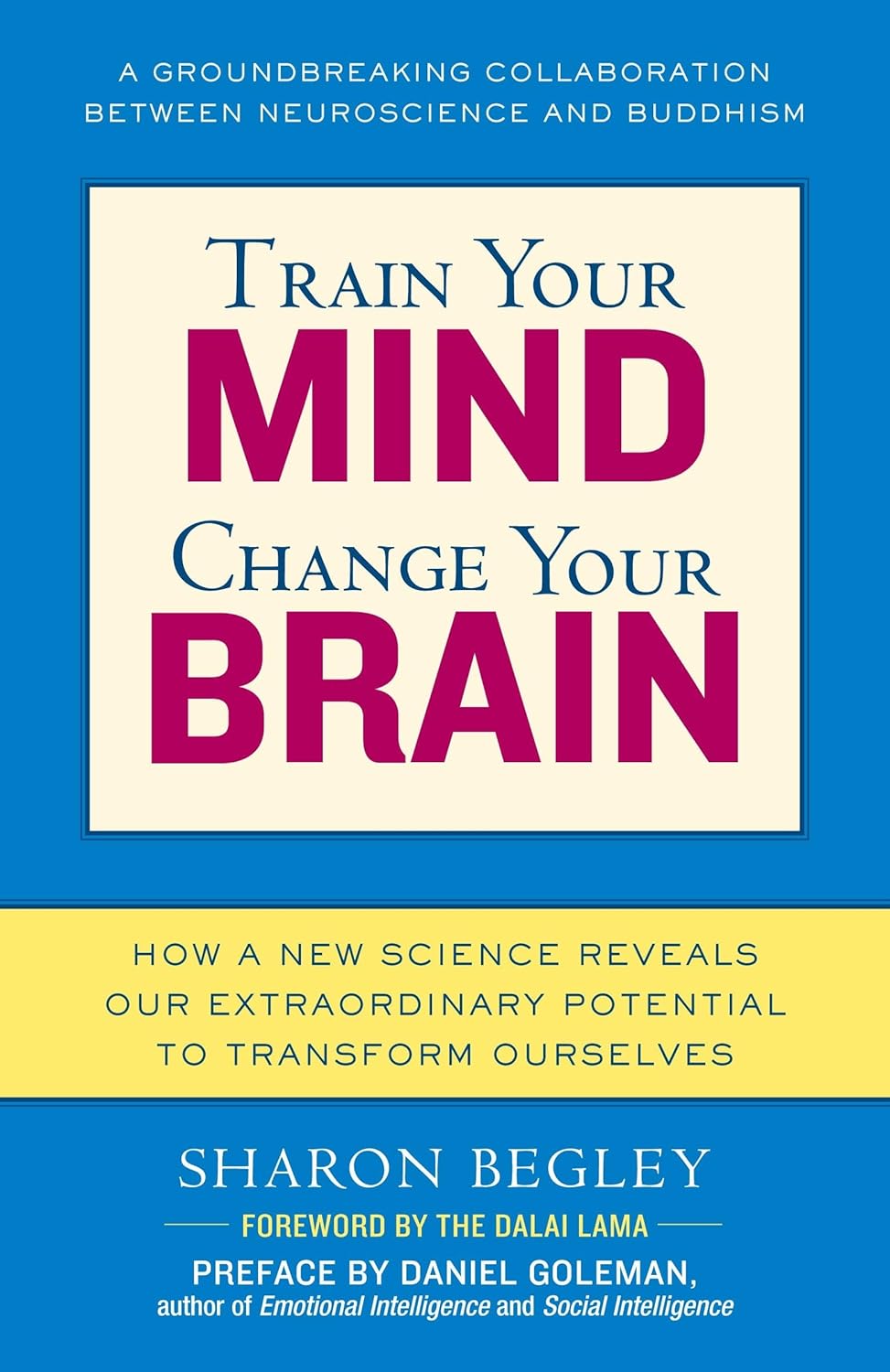
Sharon Begley Train Your Mind, Change Your Brain [A.I. Recap]

Disclaimer!

This post was created with the aid of Google AI “Gemini” and is written for documentation and entertainment purposes only. Always do your own research and be skeptical about everything you see and read on the internet.

Introduction

In “Train Your Mind, Change Your Brain.” science journalist Sharon Begley explores the groundbreaking intersection of ancient Buddhist wisdom and modern Western neuroscience. The book documents the discovery of neuroplasticity – the brain’s ability to physically reorganize itself in response to experience and conscious thought.

For an entrepreneur with a vision, this book is a testament to the fact you can literally “re-wire” your brain for higher creativity, ethical drive, and focus.


1. The Myth of the “Fixed” Brain

For decades, scientists believed the adult brain was “hard-wired” and unchangeable. Begley shatters this myth by showing that.

The Brain is Dynamic

Like a muscle, the brain grows and adapts based on how you use it.

Neurogenesis

The adult brain can generate new neurons, particularly in the hippocampus (the area responsible for learning and memory).

2. The Power of “Mental Training”

Begley highlights experiments involving Buddhist monks and modern researchers to show how focused thought changes physical brain structure.

Attention Training

By practicing mindfulness, individuals can physically enlarge the parts of the brain responsible for focus and emotional regulation.

Compassion as a Skill

The book argues that empathy and ethics aren’t just personality traits- they are skills that can be “trained” through meditation, leading to increased activity in the brain’s left prefrontal cortex (associated with happiness and resilience).

3. Overcoming “Emotional Hijacking”

The book provides a biological roadmap for changing your emotional responses

Top-Down Regulation

By using the conscious mind to observe emotions, you can dampen the activity of the amygdala (the “fear” center”).

Rewiring Habbits

You can weaken old, negative neural pathways (like self-doubt or procrastination) and strengthen new ones by consistently choosing different thoughts and actions.

4. Application to Learning and Recovery

Begley discusses how neuroplasticity applies to:

Skill Acquisition

When you learn a new craft – like chemistry behind your products or the logistics of branding – your brain physicalizes that knowledge by creating denser neural networks in specific regions.

Overcoming Limits

Neuroplasticity offers hope for healing from trauma or stroke, showing that the brain can “re-route” functions to healthy areas.


How this aligns with your Entrepreneurial Journey

This book confirms your belief that you are the source of value. Since your brain is plastic, your potential is not fixed. By intentionally training your mind, you can:

Enhance Creativity

Develop the neural pathways that allow for “divergent thinking” in your custom designs.

Strengthen Ethics

Harden the “compassion circuits” that fuel your ethical drive to benefit all parties involved.

Resilience

Build a brain that recovers faster from the inevitable setbacks of launching a vision.

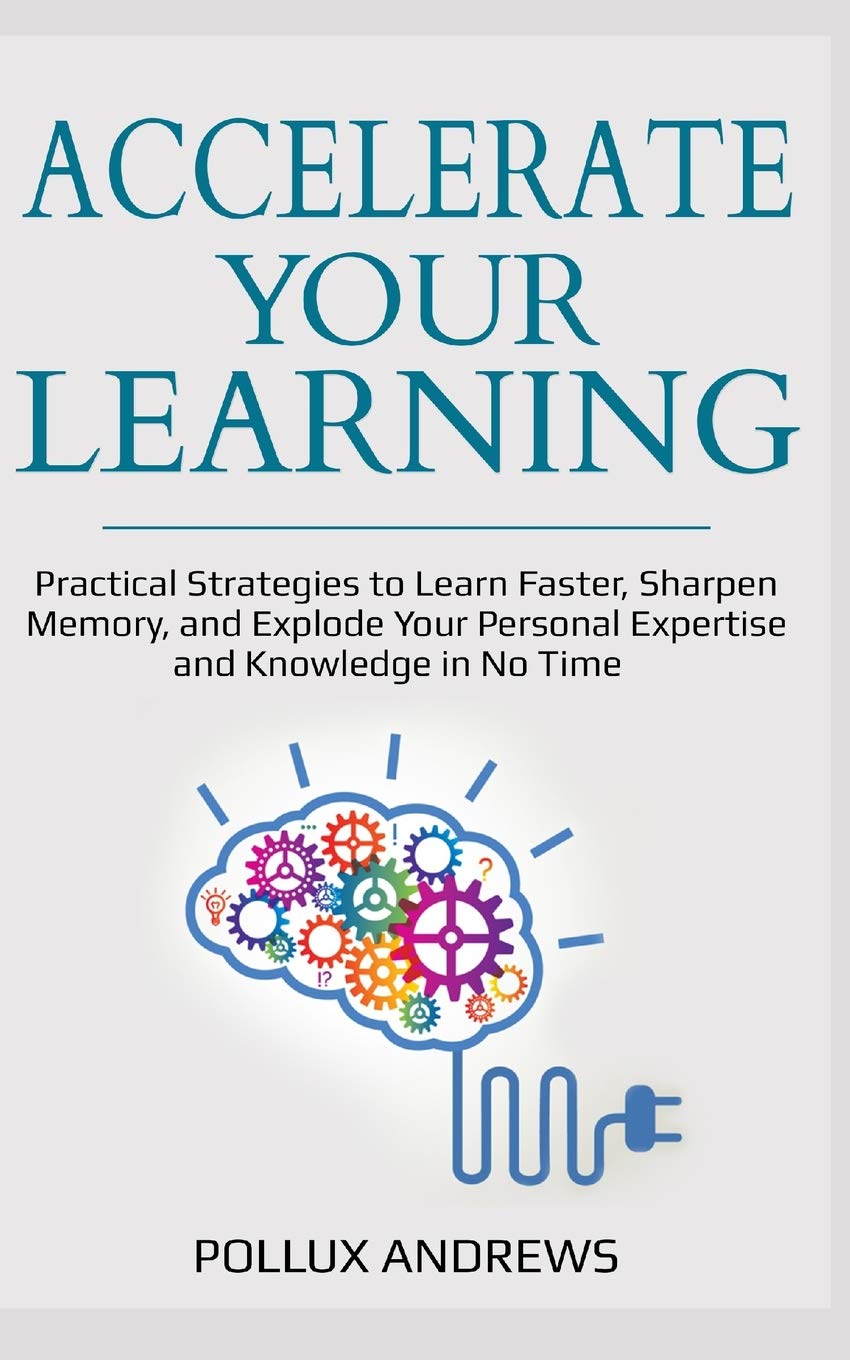
Pollux Andrews – Accelerate Your Learning [A.I. Recap]

Disclaimer!

This post was created with the aid of Google AI “Gemini” and is written for documentation and entertainment purposes only. Always do your own research and be skeptical about everything you see and read on the internet.

Introduction

In “Accelerate Your Learning,” Pollux Andrews focuses on the practical habits and mindset shifts required to acquire new skills rapidly. For a multifaceted entrepreneur and blogger like yourself – balancing business, chemistry, and health – this books serves as a guide for turning “passive” information into “active” expertise.

1. The Mindset of Mastery

Andrews emphasizes that learning speed is often limited by psychological barriers rather than cognitive capacity.

  • The “Humble Student” Approach: Approach every subject with genuine admiration. If you believe you already know the basics, you miss the nuances that lead to mastery.
  • Embracing Plateaus: He warns that learning is non-linear. You will hit walls where progress feels stagnant; the secret to acceleration is expecting these plateaus and pushing through them rather than quitting.

2. Strategic “Chunking” and Foundations

  • Deconstruction: Break a complex skill (like starting a clothing brand or learning a new chemical process) into its smallest components.
  • Master the Fundamentals: Do not try to be “original” too early. Andrews argues that you should follow the best practices of experts first. Once the foundation is solid, your natural creativity can take over.

3. High-Intensity Practice Techniques

  • Active Over Passive: Reading or watching videos is “shallow” learning. To accelerate, you must do. This aligns with your entrepreneurial drive – applying your vision immediately to your products.
  • Feedback Loops: Seek external feedback early. Andrews notes that we often avoid feedback to protect our egos, but “scary” feedback from an expert is the fastest way to correct course and save time.
  • Intuition Flooding: Immerse yourself in a massive number of examples withing your field (e.g., analyzing 50 different notebook brands or chemical formulas) to develop an “intuitive grasp” that transcends simple book-learning.

4. Memory and Retention

  • The Review Cycle: Measure and evaluate your progress weekly. Keeping a journal of what you learned and what mistakes you made “cements” the knowledge.
  • Teaching to Learn: Andrews suggests that one of the fastest ways to master a topic is to explain it to someone else (which you already do through your blogging).

Application for your Vision

Since you are the “source of all the value” for your brand, your ability to learn new things (like branding, textiles, or product chemistry) is your greatest competitive advantage. This book encourages you to treat your personal development with the same rigor you treat your business.

Harvard Business Review – Focus (HBR Emotional Intelligence Series) [A.I. Recap]

Disclaimer!

This post was created with the aid of Google AI “Gemini” and is written for documentation and entertainment purposes only. Always do your own research and be skeptical about everything you see and read on the internet.

Introduction

In the HBR Emotional Intelligence Series: Focus, Harvard Business Review compiles essential research and essays to show that focus is not just a productivity hack – it is a core leadership competency. For an entrepreneur like you, this book provides the “chemistry” of attention: ho to blend internal discipline with external awareness to build a high-value brand.

Here is the Gemini summary of the key pillars:

1. The Tipple Focus (Daniel Goleman’s Framework)

Daniel Goleman, the pioneer of EQ, argues that leaders must master three types of focus to be effective.

  • Inner Focus: Turning into your internal signals (intuition and values). This is where your “entrepreneurial vision” stays anchored despite market noise.
  • Other Focus: Developing a “radar” for the people around you. It’s about more than just hearing words; it’s about sensing the unspoken needs of your customers and team.
  • Outer Focus: Understanding the larger systems – market trends, economic shifts, and the “why” behind the data. This allows you to navigate the path for your brand’s future.

2. The Science of Distraction

The book breaks down why our brains are hardwired to be distracted.

  • Neural Overload: Our “top-down” (international) focus constantly in a tug-of-war with “bottom-up” (instructional) distractions like phone pings or office politics.
  • Cognitive Reframing: You can’t eliminate distractions, but you can change how you react to them. The book suggests “labeling” distractions as they arise to diminish their emotional power over you.

3. Managing Your Team’s Attention

Focus is a finite resource for you and your organization.

  • Attention as Wealth: In a world of information abundance, your team’s attention is the most valuable asset you have.
  • Clear the Path: Effective leaders don’t just give tasks; they protect their team from “noise,” allowing for Deep Work – the kind of work that creates real, high-quality branding value.

4. Practical Strategies for Sustained Focus

  • Micro-Meditations: Short, 2-3 minute sessions to reset your focus “muscle” throughout the day.
  • Mindful Listening: Engaging fully in conversations without a pre-set agenda. This is crucial for your networking and client relationships.
  • Emotional Regulation: Using focus to “cool down” hot emotions (like frustration or anxiety) before they lead to poor business decisions.

Why this is vital for your Vision

You mentioned being the “source of all the value” for your brand. This book reinforces that your attention is your currency. By mastering focus, you ensure that your ethical drive and creativity aren’t diluted by the “gray noise” of everyday business hurdles.

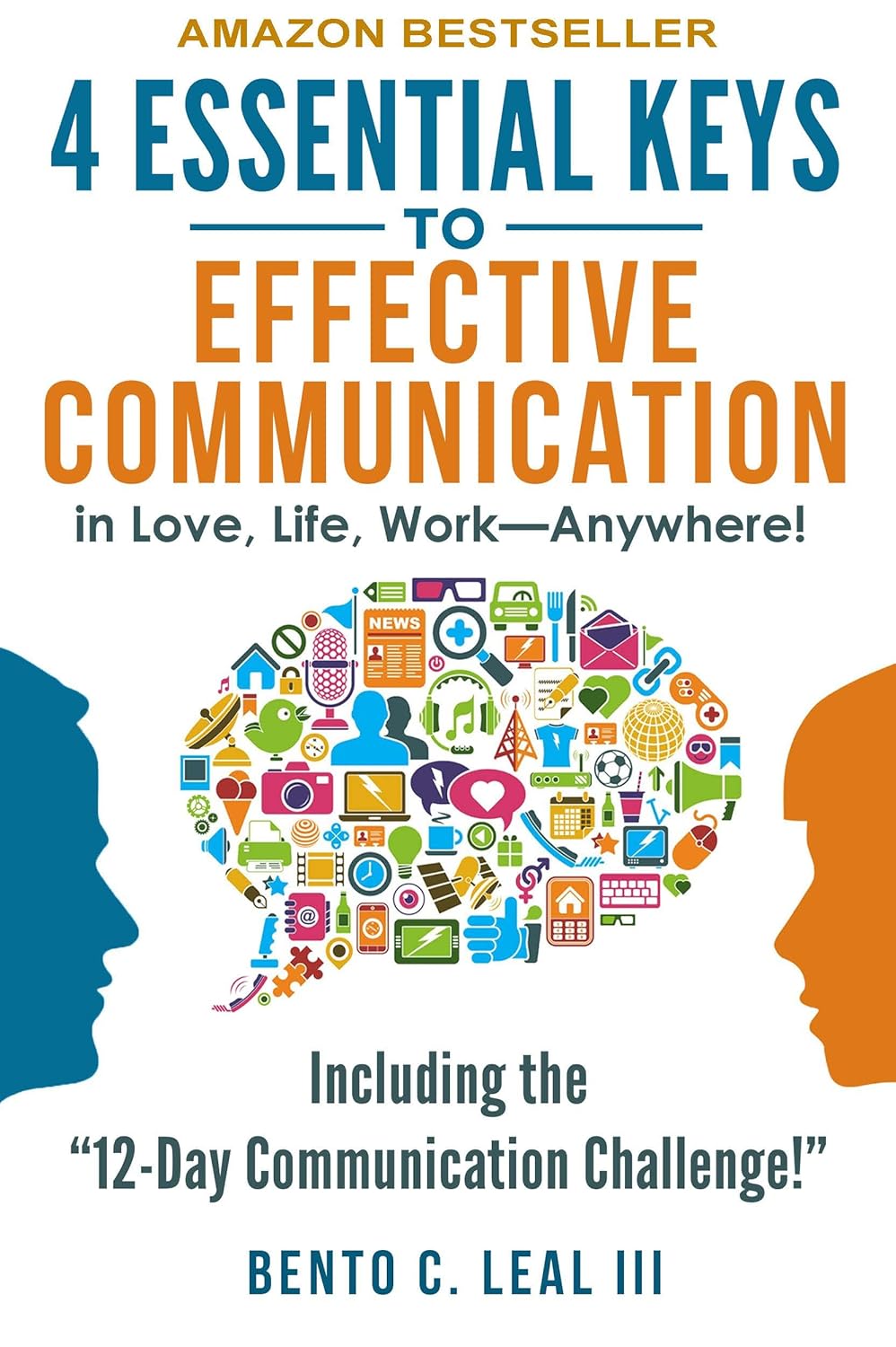
Bento C. Leal III – 4 Essential Keys to Effective Communication [A.I. Recap]

Disclaimer!

This post was created with the aid of Google AI “Gemini” and is written for documentation and entertainment purposes only. Always do your own research and be skeptical about everything you see and read on the internet.

Introduction

In “4 Essential Keys to Effective Communication,” Bento C. Leal III provides a practical, step-by-step framework for improving interpersonal relationships. As an entrepreneur and blogger, you might find this particularly useful for branding and networking, as the core of the book is about “communication bridges” through empathy.

Here is a concise summary of the four keys:

1. Empathic Awareness

Before you even speak, you must cultivate the right mindset. This involves

  • Recognizing Inherent Value: Acknowledging that both you and the person you are communicating with have unique worth and dignity.
  • The Desire to Connect: Making conscious decision to value the relationship over being “right.”
  • Mindfulness: Being present in the moment and checking your own emotional state before the interaction begins.

2. Empathic Listening

Most people listen to respond; Leal argues you should listen to understand.

  • Quiet the Mind: Put aside distractions and your own internal monologue.
  • Listen “Through” the Words: Pay attention to body language, tone, and underlying emotions.
  • Avoid “Listening Blocks”: Stop yourself from judging, advising, or “hijacking” the conversation with your own stories.
  • The Feedback Loop: Summarize what you heard back to the speaker (e.g., “So, what I’m hearing is that you feel…”) to ensure they feel truly understood.

3. Empathic Speaking

This key focuses on expressing yourself honestly without damaging the relationship.

  • Organize Your Thoughts: Pause before speaking to ensure clarity.
  • “I” Statements: Speak from your own perspective (e.g., “I feel frustrated when…”) rather than using “You” statements, which often sound like accusations.
  • Express with Respect: Maintain a calm tone to avoid being abrasive, even when discussing difficult topics.
  • Appreciation: End by thanking the other person for listening to you.

4. Empathic Dialogue

This is the culmination of the first three keys – a rhythmic back-and-forth where both parties feel safe.

  • Mutual Understanding: The goal is not to “win” a debate but to reach a place where both people’s needs and perspectives are out in the open.
  • Conflict Resolution: By using the steps of listening and speaking in tandem, you can de-escalate heated moments and find collaborative sollutions.

Why this fits your vision

As an entrepreneur building a brand, these skills are vital for market awareness and collaborative growth. Leal emphasizes that “practice achieves permanence” – suggesting that communication is a craft (like chemistry or business) that requires consistent application to master.

Janet L. Jackson and Debra A. Bekerian – Offender Profiling: Theory, Research and Practice [A.I. Recap]

Disclaimer!

This post was created with the aid of Google AI “Gemini” and is written for documentation and entertainment purposes only. Always do your own research and be skeptical about everything you see and read on the internet.

Introduction

In Offender Profiling: Theory, Research and Practice, Janet L. Jackson and Debra A. Bekerian move away from the “intuitive” guesswork often seen in movies and provide a scientific, evidence-based framework for understanding behavior.

As a visionary entrepreneur, this book is valuable because it teaches you how to reverse-engineer actions to understand the mind behind them. It’s about “Behavioral Consistency” – the idea that how someone does one thing is often how they do everything.

The Core Methodology: Linking Action to Identity

The book focuses on how psychologists and police link a series of actions to a specific “type” of person. For your business, this is the ultimate tool for competitor analysis and customer persona building.

1. The Disorganized vs. Organized Dichothomy

The authors discuss the classic distinction in profiling:

  • Organized: High intelligence, socially competent, plans meticulously, and follows a “straight line.” These individuals are harder to catch (or compete with) because they leave little to chance.
  • Disorganized: Impulsive, lower social competence, and acts on emotion. Their “brand” is chaos.
  • Entrepreneur Insight: In the market, you want to be “Organized” force. You want a vision so tight and a strategy so planned that your brand’s presence feels intentional and unshakeable.

2. Behavioral Consistency & The “Signature”

A key theme is that while a “modus operandi” (MO) can change (how someone does a task), their “signature” (the psychological why) usually stays the same.

  • Application: When you look at other brands in the custom clothing space, don’t just look at their products. Look for their “signature.” Do they always cut costs on materials? Are they obsessed with status? Understanding their “why” helps you find the gaps in the market you can fill.

3. Geographical Profiling (Circle Theory)

The book explores how offenders usually operate within a specific “comfort zone.”

  • Application: In your lifestyle blog and brand, you have a “comfort zone” or niche. This book teaches you to map out your territory. Where does your brand “live” in the mid of the consumer? By understanding the geography of your market, you can expand strategically rather than randomly.

4. The Limits of Intuition

Jackson and Bekerian are critical of “gut feelings.” They argue for data-driven decisions.

  • The Lesson: You are the source of the vision, but your “market awareness” must be backed by research. Don’t just assume what people want in a custom notebook; profile your target audience based on their actual buying habits and digital “footprints.”

Comparing the “Profiler” to the “Entrepreneur”

Profiling ConceptEntrepreneurial Translation
Linkage AnalysisConnecting different market trends to see the “big picture.”
VictimologyIdentifying the “Pain Points” of your target customer.
StagingRecognizing when a competitor is “faking” their brand value.
Data IntegrationUsing chemistry, lifestyle trends, and sales data to launch your vision.

Why This Matters for Your Launch

You mentioned you are the Entrepreneur with the ethical drive. Offender profiling is essentially the study of people who lack that drive. By studying these theories, you gain a “defensive” mastery – you learn how to spot “disorganized” patterns or “predatory” competitors before they can impact your brand’s value.

“Behavior is not a random occurrence; it is a reflection of an individual’s psychological makeup and their interaction with the environment.”

Peter B. Ainsworth – Psychology and Crime [A.I. Recap]

Disclaimer!

This post was created with the aid of Google AI “Gemini” and is written for documentation and entertainment purposes only. Always do your own research and be skeptical about everything you see and read on the internet.

Introduction

In Psychology and Crime, Peter B. Ainsworth, explores the intersection of psychological theory and the criminal justice system. Unlike the aggressive “Hustler” mentality of 50 Cent or the sales-driven focus of Jordan Belfort, Ainsworth takes an academic and analytical approach to understand human behavior at its most deviant.

For an entrepreneur, this book provides a deep dive into social psychology – understanding how people think, why they break rules, and how to read the “chemistry” of human interaction.

Core Themes of the Book

1. Theories of Crime Causation

Ainsworth examines why people commit crimes, moving through several psychological lenses:

  • Biological/Social Learning: Is “criminality” inherited or learned? Ainsworth leans toward the idea that environmental factors and “modeling” (watching others) play a massive role.
  • Rational Choice Theory: This aligns with your interest in market awareness. It suggests that many criminals make a “cost-benefit” analysis before acting. They weigh the risk of being caught against the potential reward.

2. The Fallibility of memory (Eyewitness Testimony)

One of the most critical sections for any leader is Ainsworth’s look at how easily the human mind is deceived.

  • Reconstructive Memory: People don’t “replay” events, they reconstruct them based on expectations and biases.
  • Application: In business, this reminds you that two people can leave the same meeting with completely different “truths.” Documentation and “intense realism” (Greene) are your defenses against this.

3. Investigative Psychology & Profiling

Ainsworth critiques the “Hollywood” version of profiling. He emphasizes that:

  • Consistency: Offenders often show a “signature” or consistent pattern in how they approach a task.
  • The Environment: The “where” and “how” of a crime often tell you more about the person’s background than their psychological “type.”

4. The Psychology of the Courtroom

Ainsworth details how persuasion works in a legal setting, which parallels Bertolt’s tactics. He explores how:

  • Attractiveness & Confidence: Juries are more likely to believe a witness who appears confident and “sharp,” regardless of the accuracy of their testimony.
  • The Power of Label: Once someone is labeled a “criminal” or “outsider,” it changes how every subsequent action they take is perceived.

Strategic Takeaways for the Entrepreneur

Understanding Deviance

As you build your brand, understanding why people “cut corners” or act unethically can help you build robust systems to protect your “source of value.”

Reading the Room

Ainsworth’s insights into body language and “interrogation” tactics can be inverted to help you high-stakes negotiations or when vetting potential partners.

Social Influence

The book explains how groups can influence an individual to act against their own best interest – a concept you can use to understand (and lead) consumer behavior and brand loyalty.

Integrating the “Ainsworth Lens” with your Vision

ConceptApplication to Your Brand
Cognitive BiasRecognizing that your customers’ perception is their reality.
Rational ChoiceEnsuring the “reward” of buying your brand far outweighs the “cost.”
Environmental InfluenceCreating a brand “lifestyle” that encourages the behavior you want to see.

Ainsworth teaches that while we like to think we are unique, human behavior follows remarkably predictable patterns. Mastering these patterns gives you a “chemical” advantage in both lifestyle blogging and business.

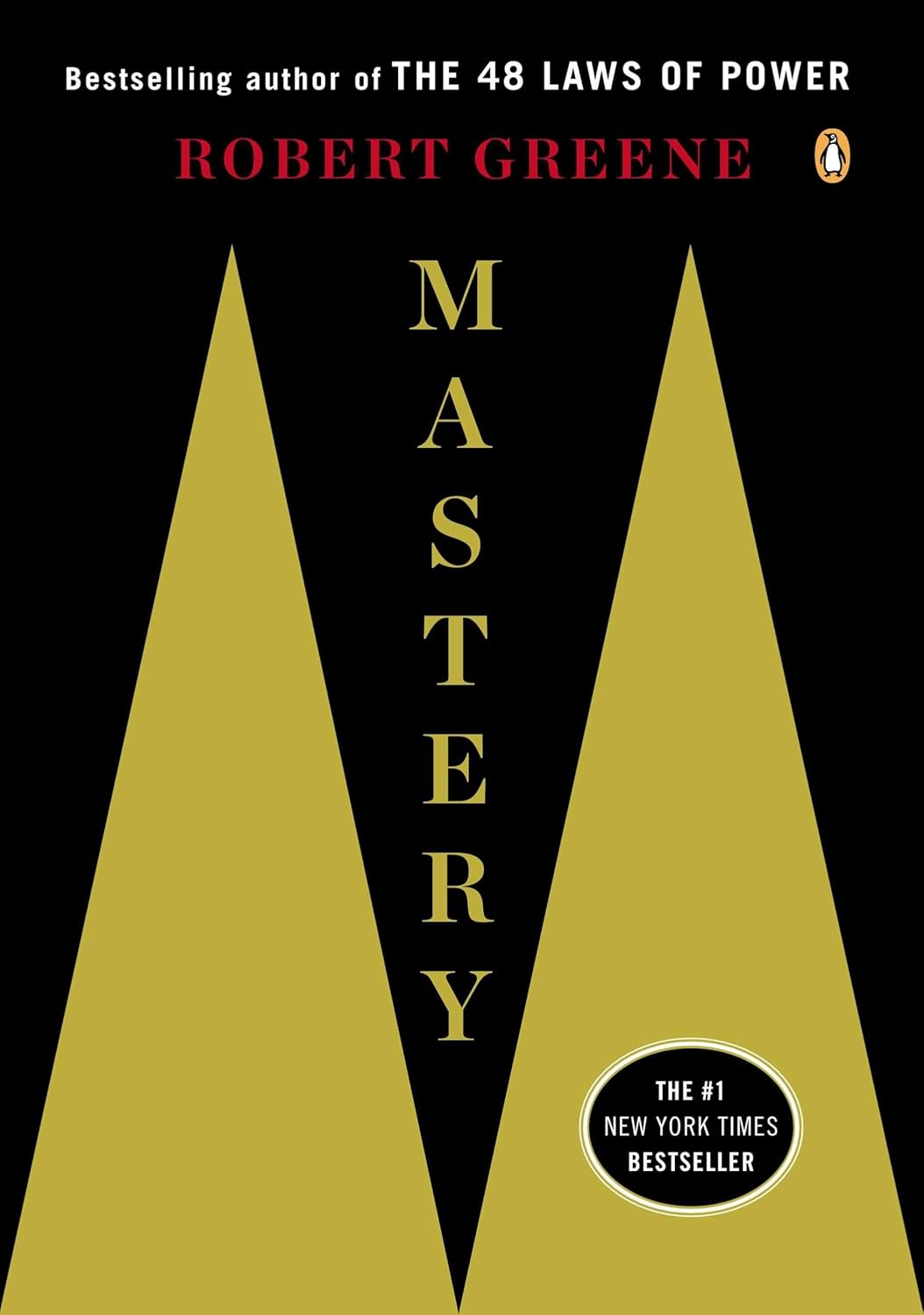
Robert Greene – Mastery [A.I. Recap]

Disclaimer!

This post was created with the aid of Google AI “Gemini” and is written for documentation and entertainment purposes only. Always do your own research and be skeptical about everything you see and read on the internet.

Introduction

In Mastery, Robert Greene debunks the myth that “genius” is an innate gift. Instead, he argues that Mastery is a rigorous process available to anyone who follows a specific path. For a visionary entrepreneur like you, this book serves as a roadmap for turning your creative drive into a world-class brand.

Greene posits that we all process an “Inner Force” that guides us as children. Mastery is the act of reconnecting with that force and subjecting it to intense discipline.

The Three Phases of Mastery

1. The Apprenticeship Phase (The “Learning” Years)

Before you can lead, you must learn. This phase isn’t about money or status; it’s about transformation.

  • Deep Observation: Enter a new environment and watch the power dynamics and “chemistry” of the industry without judging.
  • Skills Acquisition: Focus on one skill at a time. Through repetition, the skill moves from the conscious mind to the “hard-wired” nervous system.
  • The Mentor Connection: Find a mentor to compress time. A mentor gives you the “distilled” knowledge of their decades in a few years.

2. The Creative-Active Phase (The “Doing” Years)

Once you understand the rules, you ,must begin to break them.

  • The Dimensional Mind: Avoid becoming a “specialist” who is rigid. Stay open to new ideas and cross-pollinate concepts (e.g., combining your interest in chemistry with apparel design).
  • The Creative Breakthrough: This comes from “tinkering” and willingness to fail. You use the “intense realism” of the 50th Law to see what works in the market and what doesn’t.

3. Mastery (The “Intuition” Years)

At this stage, you have spent so many hours (the 10,000 – hour rule) that you no longer need to think. You have a “high-level intuition” for your craft. You can see the “whole” rather than just the parts.

The 5 Strategies for Finding Your “Life’s Task”

Greene argues that your “Life’s Task” is the source of all your value. To find it, you must:

  • 1. Return to your origins: What were you obsessed with as a child?
  • 2. Occupy the perfect niche: Don’t complete in a crowded field; create your own (the “Darwinian Strategy”).
  • 3. Avoid the false path: Don’t pursue a career for money or to please others.
  • 4. Let go of the past: Be willing to pivot if your current path no longer serves your vision.
  • 5 . Find your way back: If you’ve strayed, use your current frustrations as fuel to return to your true calling.

Key Pillars for the Entrepreneur

Social Intelligence

To master a field, you must master people. You must see others as they are, not as you want them to be, to avoid being sabotaged.

The Resistance Practice

Lean into the things that are difficult. If a certain part of your business (like the logistics of custom branding) feels hard, that is exactly where you need to focus.

Time is Your Greatest Ally

Mastery requires patience. While the “Straight Line” (Belfort) gets you the sale today, Mastery ensures your brand is still worth value 20 years from now.