
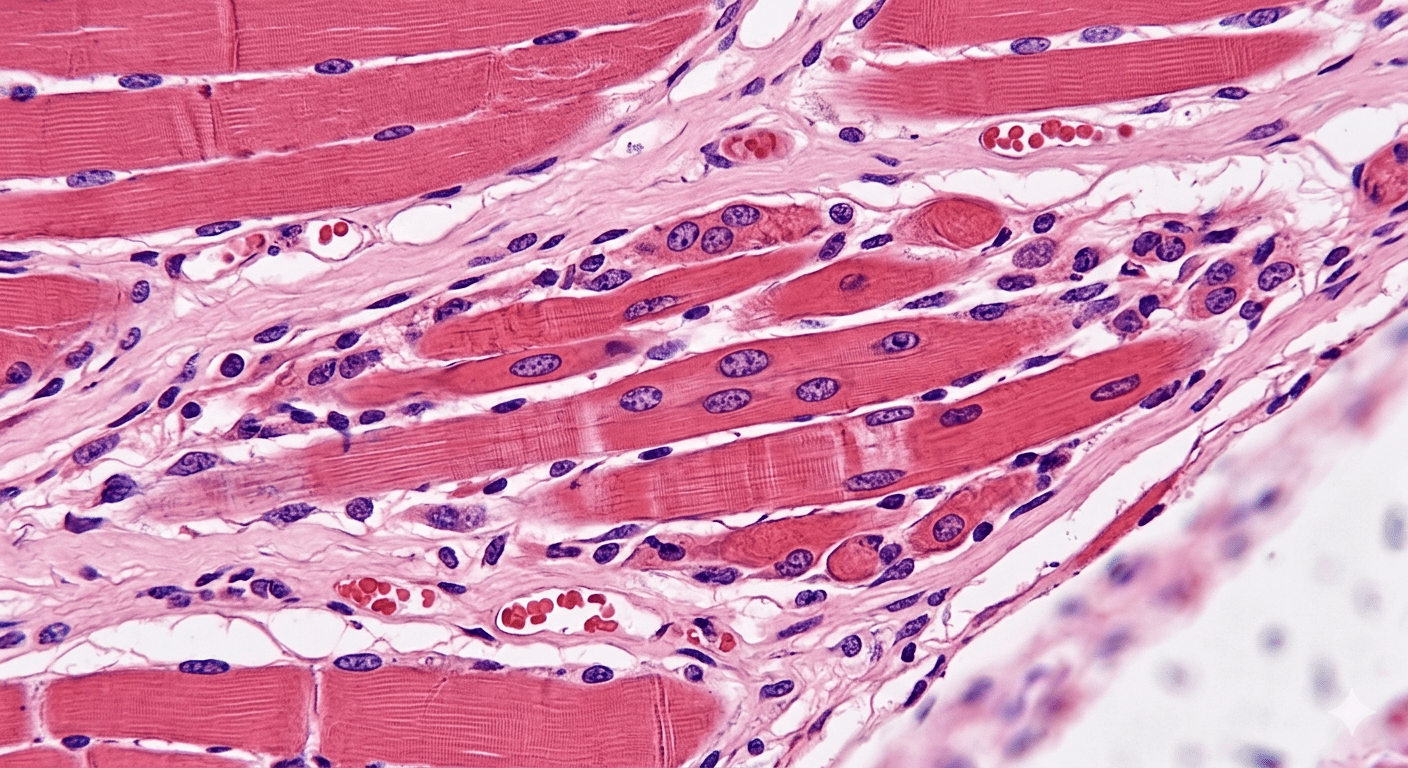
Muscle Hypertrophy Explained
Hypertrophy is the physiological process of increasing the size of an organ or tissue through the enlargement of its component cells. While it can occur in various tissues (like the heart), it is most commonly discussed in the context of skeletal muscle.
How Hypertrophy Works
When you subject your muscles to tension or stress – typically through resistance training – it triggers a biological response to adapt to that road. This process generally involves three primary mechanisms:
1.). Mechanical Tension: Lifting heavy weights or moving a muscle through a full range of motion under load.
2.) Metabolic Stress: The “pump” feeling caused by the buldup of metabolites like lactate, which signals the body to adapt.
3.) Muscle Damage: Microscopic tears in the muscle fibers that the body repairs using protein, making the fiber thicken than before.
The Two Main Types
In the world of strength and conditioning, hypertropy is often categorized in two functional styles:
Sarcoplasmic Hypertrophy: Focuses on increasing the volume of sarcoplasmic fluid in the muscle cell. This leads to larger muscle size but doesn’t neccesarily correlate with a massive increase in maximum strenght.
Myofibrillar Hypertrophy: Focuses on increasing the size and number of myofibrils (the parts of the muscle that actually contract). This leads to denser muscle tissue and greater force of production (strenght).
Requirements for Growth
To achieve hypertrophy effectively, a combination of specific stimuli is required:
1.) Progressive Overload: Gradually increasing the weight, frequency, or number of repetitions in your exercise routine.
2.) Protein Synthesis: Consuming enough protein to provide the amino acids neccesarry to repair and build new muscle tissue.
3.) Rest and Recovery: Muscle doesn’t grow in the gym; it grows while you sleep and recover.
While resistance training is the most common path, even activities like high-intensity sprinting or consistent bodyweight movements can trigger hypertrophy if the stimulus is sufficient to challenge the body’s current capacity.

 ZutisBljeg