

Hello everyone.
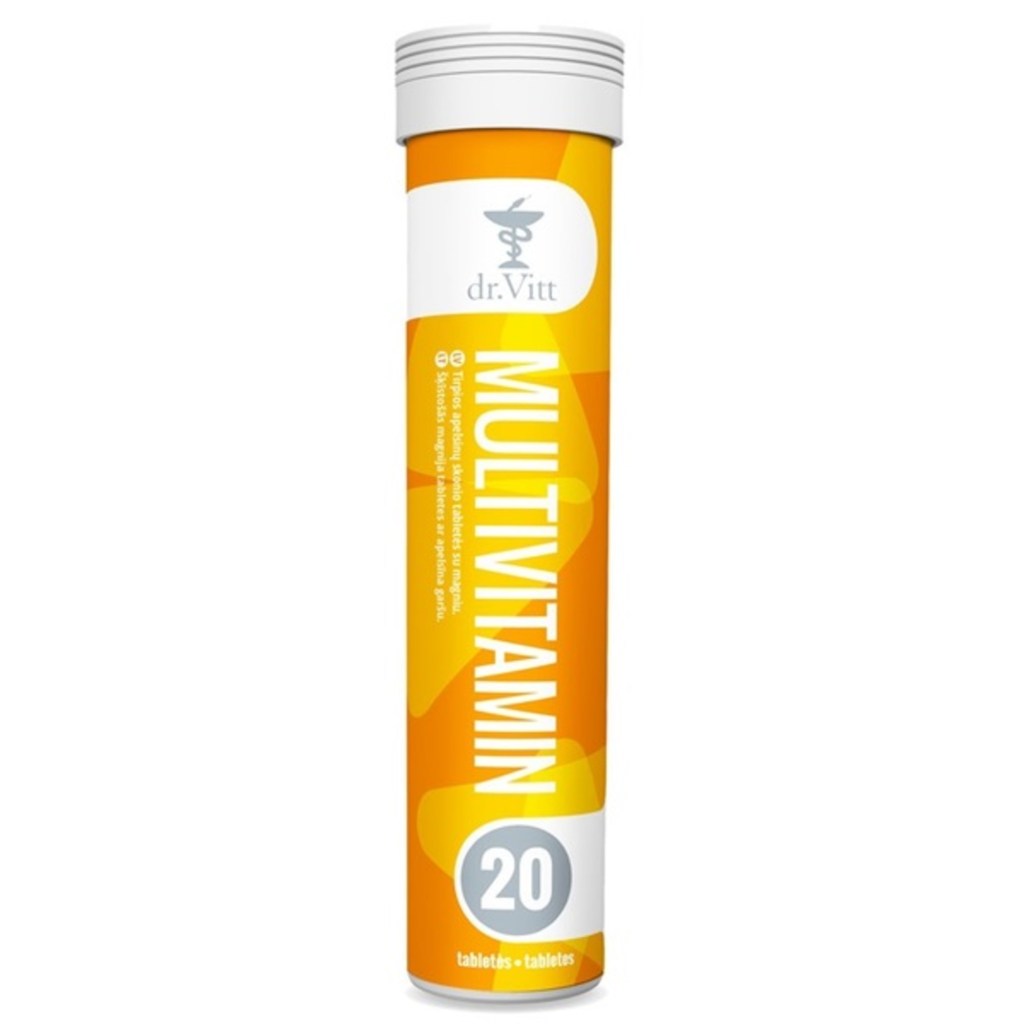
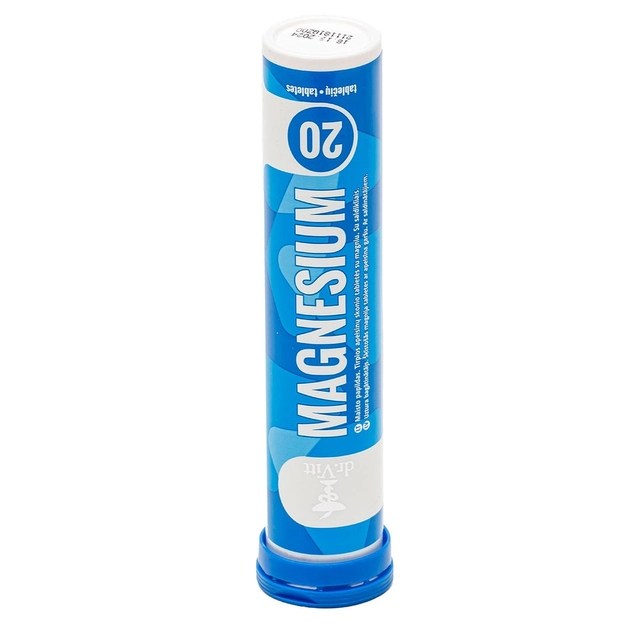
This morning I woke up at 6AM and nourished myself with Multivitamin and Magnesium drink.

Then I did 10×4 Overhead Barbell Press.
I am currently laying a foundation for my workout routine.
I am also going to do a marathon on the 17th of May in Riga.
I have ran a half a marathon before without much training therefore I believe having 211 days to train is a good goal which will help motivate me to get out of bed and train. Just below Is my blog post of that day.
With the 2026 Rimi T-shirt and medal shipping as well as the entry fee, the total cost adds up to 90.99 EUR.
With this In mind, I am going to spend Saturdays and Sundays resting and pushing myself on week days two to three times per week. I have upgraded from 2.0 KM to 5.7 KM runs so I think resting is necessary for my body to recover.
The Concise Book of Minerals Is also close to finishing. In the book, I am adding RDAs and Dangers of Exceeding the Upper limits and daily recommended allowance as a bonus feature.
That’s enough rambling for today, let’s get into fluoride.
Fluoride
Benefits of Fluoride
Prevents Tooth Decay (Cavities)
This is the most significant and well-documented benefit. Fluoride helps block the acid attacks form plaque bacteria and sugars that cause demineralization.
Strengthens Enamel (Remineralization)
Fluoride actively works to put lost minerals back into the tooth’s surface. The new surface it creates is stronger and more resistant to future acid erosion.
Reverses Early Decay
In the very early stages of decay, before a full cavity forms, fluoride can stop and reverse the damage by promoting remineralization.
Inhibits Bacteria
It helps reduce the ability of caving-causing bacteria in your mouth to produce harmful acids.
Signs of Deficiency
Increased Risk of Dental Caries (Cavities)
This is the most common and recognizable sign. A lack of fluoride leaves the tooth enamel weak and susceptible to the acid produced by mouth bacteria, leading to:
- Higher frequency of cavities.
- Increased progrssion of tooth decay.
- Greater loss of minerals (demineralization) from the tooth surface.
Weak or Brittle Bones (Potential Osteoporosis risk)
While this is less common and the link is still under research, fluoride is stored in bones and is necessary for bone formation and health. Chronic deficiency, particularly in children and older adults, can increase the risk of developing:
- Weak or brittle bones.
- Increased risk of bone fractures.
Sources of Fluoride
Fluoride sources can be categorized into two main groups: Systemic (ingested) and Topical (applied to the teeth). The three primary sources of fluoride are:
Water (The Major Source)
- Fluoridated Community Water: For most people in areas with this public health measure, the largest source of fluoride comes from tap water, which is adjusted to an optimal level to prevent tooth decay.
- Natural Water Sources: All natural water sources (rivers, lakes, groundwater, wells) contain some level of naturally occurring fluoride, though the concentration varies widely based on local geology.
- Beverages: Drinks prepared with fluoridated water, such as coffee, tea (especially black tea), sodas, and juices, will contain fluoride.
Dental Products (The Major Topical Source)
This is a direct and highly effective way to strengthen the enamel.
- Fluoride Toothpaste: The most common source for tropical application.
- Fluoride Mouth Rinses: Available over-the-counter and in higher-strength prescription formulas.
- Professional Treatments: Gels, foams, and varnishes applied by a dentist or dental hygienist during a check-up.
- Fluoride Supplements: Tablets or drops, typically prescribed by a dentist or doctor for children in areas with non-fluoridated water.
Food Sources
Fluoride is naturally present in trace amounts in many foods, though the concentrations are generally much lower than in water or dental products.
- Tea: Black and green teas are well-known to be high in fluoride because the tea plant naturally absorbs it from the soil.
- Seafood: Fish, shrimp, and crab are good sources, as fluoride is concentrated in the ocea.
- Grapes and Products: Grapes, raisins, and wine contain varying amounts.
- Foods Prepared with Fluoridated Water: Cereals, cooked vegetables, and other processed foods prepared with fluoridated water will have a higher fluoride content.
RDA, AI and UL
The Recommended Daily Allowance can vary based on a persons age and gender, here is a table for your convenience.

Key Points to Note:
Sources of Intake: Total daily intake includes fluoride form all sources, such as fluoridated water, food, and swallowed toothpaste. For most people, the main source of intake is fluoridated drinking water.
Adequate Intake (AI): The AI is based on levels of fluoride intake shown to reduce the incidence of dental caries (cavities) while minimizing the risk of dental fluorosis.
Tolerable Upper Intake Level (UL): The UL is the maximum daily intake unlikely to cause adverse health effects. For children up to age eight, the UL is much lower because excessive fluoride intake during this period can lead to dental fluorosis (a cosmetic change to the tooth enamel)
Enjoyed this post? Don’t miss the next one.
Subscribe for exclusive content and updates straight to your inbox.
It’s the best way to stay on track with your fitness, finance and health goals along side the ZutisBljeg community.

 ZutisBljeg
1 Comment