
To access, buy or subscribe to K-Hub to read.
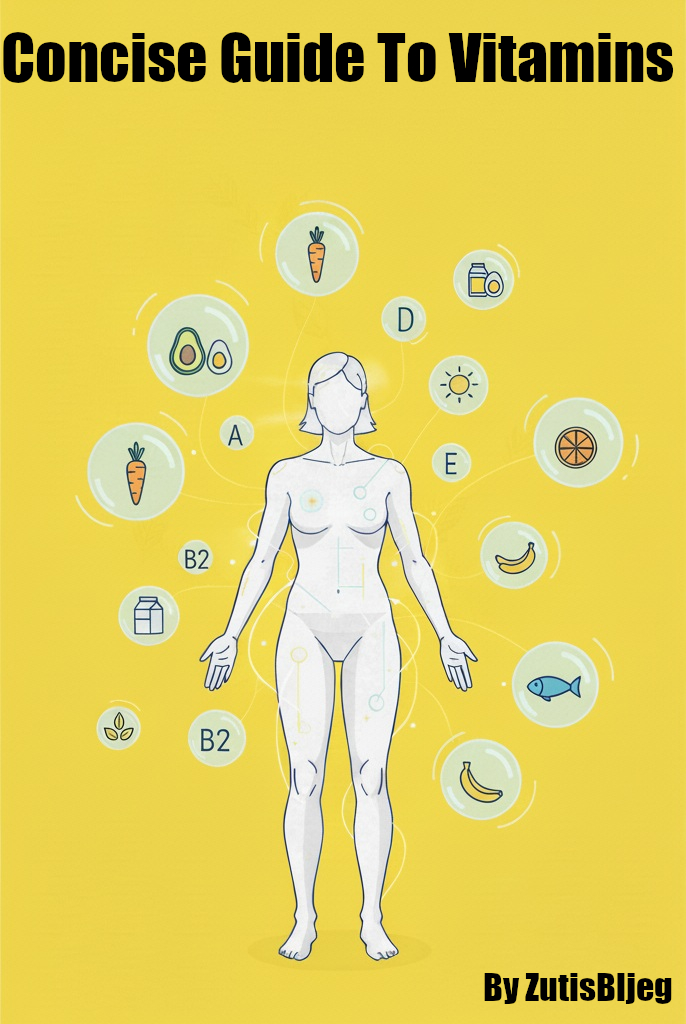
See Preview
Quick Menu
Vitamin A
Benefits
Vision
Vitamin A is crucial for good eyesight, especially in low light. It helps your eyes see and adjust to darkness and protects the surface of your eye.
Immune System
Vitamin A also acts as a shield for your immune system, helping your body fight off infections and illnesses. It also supports the healthy function of your immune cells.
Skin Health
Vitamin A is vital for the growth and maintenance of healthy skin, helping it repair and stay strong.
Overall Growth:
Vitamin A plays a role in the growth and development of your organs, like your heart and lungs, it is important for reproduction.
Just think about that.
Signs of Deficiency
Night Blindness
One of the first signs is a difficulty seeing in dim light or at night. This happens because your eyes need vitamin A to create the pigments necessary for low-light vision.
Dry Eyes
A more severe consequence is dry eyes. This is known as xerophthalmia. Without enough Vitamin A, your eyes can’t produce tears to stay moist, which can lead to damage to the cornea.
Weakened Immune System
A lack of Vitamin A Impairs your body’s ability to fight off infections. This can lead to getting sick more often, especially with the respiratory and gastrointestinal infections.
Skin and Growth Issues
Vitamin A is vital for healthy cell growth. A deficiency can cause dry, flaky skin and, in children, can lead to stunted or delayed growth.
In summary:
Vitamin A is related to Vision, The immune system, Skin, Growth, Organs.
Essentially, you want to make sure you get enough of vitamin A.
Vitamin A Sources
The quickest and easiest option would be going to the store and buying Vitamin A supplements.
However. What I’ve learned is that there are two main types of Vitamin A.
1. Preformed Vitamin A (Retinol)
This is the active form of Vitamin A that your body can use immediately. It’s found in animal products.
- Sources: Liver (a very concentrated source), oily fish (like salmon and mackerel), eggs, and dairy products (milk, cheese, and yogurt).
2. Provitamin A (Carotenoids)
This is the form found in plants, which your body converts into Vitamin A. Found in bright colored fruits and vegetables.
- Sources: Sweet potatoes, carrots, spinach and other leafy greens (like kale), cantaloupe, mango, and red bell peppers.
A balanced diet with a mix of these sources is the best way to get enough Vitamin A to support your vision, immune system, and overall health.
Read more of this content when you buy access today.
After purchase, goods will be added to the account associated with your provided email.
 ZutisBljeg