
Iron
Table of Contents
Macrominerals
Trace Minerals
Benefits of Iron
Iron is an essential mineral with several key benefits, primarily related to oxygen transport and energy production.
Oxygen Transport
Iron is a fundamental component of hemoglobin, a protein in red blood cells that is responsible for carrying oxygen from your lungs to all the tissues and organs in your body. It’s also part of myoglobin, a protein that provides oxygen to your muscles. Without enough iron, your body can’t produce enough hemoglobin, which leads to iron-deficiency anemia.
Energy Production
Since Iron Is critical for delivering oxygen to cells, it directly impacts your energy levels. Oxygen is used in the process of converting food into energy, so a deficiency can leave you feeling fatigued, weak, and with a lack of stamina.
Brain Function and Development
The brain requires a constant and steady supply of oxygen to function properly. It helps ensure oxygen-rich blood reaches the brain, which supports cognitive function, focus, and memory. It is especially important for neurological development in infants and children.
Immune System Support
Iron is necessary for the proper function of your immune system. It helps to ensure that immune cells can grow and mature, enabling your body to fight off infections and illnesses.
Healthy Pregnancy
During pregnancy, a woman’s blood volume and red blood cell production increase significantly to supply the growing fetus with oxygen and nutrients. As a result, the demand for iron increases dramatically, and sufficient iron intake is crucial for a healthy pregnancy and to prevent complications like premature birth or low birth weight.
Signs of Deficiency
Iron deficiency is one of the most common nutritional deficiencies worldwide. When your iron stores are depleted, your body can’t produce enough red blood cells to carry oxygen efficiently. This condition is known as iron-deficiency anemia, and its dangers can range from mild to life-threatening.
Common Dangers and Symptoms
- Extreme Fatigue and Weakness: This is the most prevalent symptom. Without enough oxygen reaching your muscles and organs, you will feel constantly tired and lack of energy for even simple tasks.
- Pale Skin: A lack of hemoglobin, which gives blood its red color, can cause the skin to appear paler than usual. This is often noticeable in the face, inside the lower eyelids, and on the nails
- Shortness of Breath: Your body may try to compensate for the lack of oxygen by breathing more rapidly, leading to a feeling of breathlessness, especially during physical activity.
- Heart Palpitations and Rapid Heartbeat: To make up for the reduced number of red blood cells, your heart has to work harder to pump blood throughout your body. This can lead to an increased or irregular heart rate.
Severe Complications
- Heart Problems: The continuous extra strain on the heart can lead to an enlarged heart or, in serious cases, heart failure, where the heart is unable to pump enough blood to meet the body’s needs.
- Increased Risk of Infection: Iron is crucial for the immune system. A deficiency can weaken your body’s ability to fight off infections, making you more susceptible to illness.
- Pregnancy Complications: For pregnant individuals, severe iron deficiency can increase the risk of premature birth and delivering a baby with a low birth weight. It can also cause developmental delays in the baby.
- Developmental Delays in Children: In infants and young children, iron deficiency can have a negative impact on cognitive and motor development, leading to behavioral issues and problems with school performance.
It is important to recognize these symptoms and consult a healthcare professional for diagnosis and treatment.
Sources of Iron
It is important to distinguish between the two types of iron found in food: heme and non-heme.
- Heme Iron: This type of iron is found in animal products and is more easily absorbed by the body.
- Non-Heme Iron: This type of iron is found in plant-based foods and is not as easily absorbed. To improve its absorption, it is recommended to pair it with a source of vitamin C.
Here is a breakdown of sources for both types of iron:
Heme Iron (Animal Sources)
- Meat: Red meat (beef, lamb, venison) and organ meats (liver) are excellent sources.
- Poultry: Dark meat from chicken and turkey contains good amount of iron.
- Seafood: Fish like tuna, sardines, and salmon, as well as shellfish like oysters and clam, are rich in heme iron.
Non-Heme Iron (Plant Sources)
- Legumes: Lentils, chickpeas, soybeans (including tofu and tempeh), and various beans (kidney, white, and black beans) are great sources.
- Nuts and Seeds: Pumpkin seeds, sesame seeds (tahini), cashews, and almonds.
- Vegetables: Dark leafy greens like spinach, kale, and Swiss chard, as well as baked potatoes with the skin on and tomato products.
- Grains: Fortified breakfast cereals, oats, quinoa, and while-wheat bread.
- Dried Fruits: Dried apricots, prunes, and raisins.
- Other: Dark chocolate and blackstrap molasses.
Maximizing Iron Absorption
To get the most out of non-heme iron sources:
- Pair them with vitamin C: Eating foods rich in Vitamin C (like citrus fruits, bell peppers, broccoli, and tomatoes) with non-rich plant foods can significantly boost absorption.
- Avoid certain inhibitors: Compounds in coffee, tea, and some dairy products can inhibit iron absorption, so it’s best to consume them at a different time than iron-rich meals.
- Use Cast-Iron Cookware: Cooking in a cast-iron skillet can increase the iron content of your food.
RDA, AI and UL
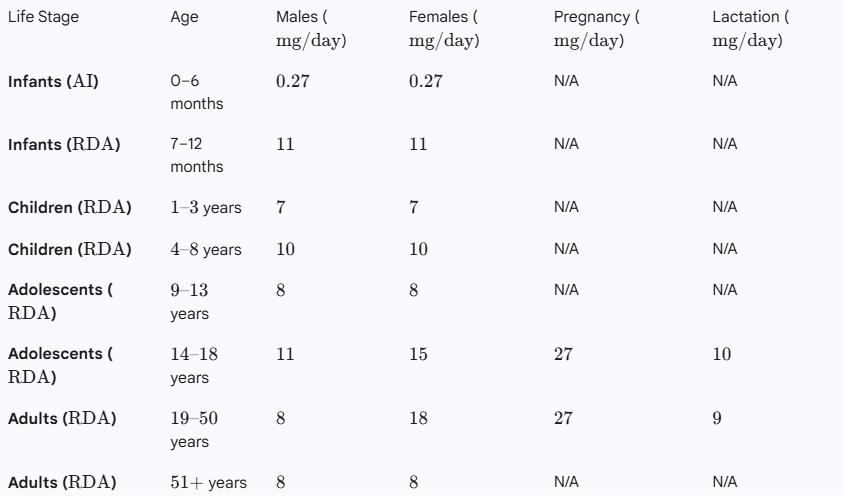
The reference values for iron intake – the Recommended Dietary Allowance (RDA), Adequate Intake (AI), and Tolerable Upper Intake Level (UL) – vary significantly by age and sex, primarily due to maturation and pregnancy.
Recommended Dietary Allowance (RDA) and Adequate Intake (AI) for Iron
Key Observations
- Premenopausal Women (19-50 years): the RDA is significantly higher (18mg) than for men due to blood loss during mestruation.
- Pregnancy: The RDA jumps to 27mg to support the expanded maternal blood volume and fetal needs.
- Postmenopausal Women (51+ years): The RDA drops back down to 8 mg, matching that of adult men.
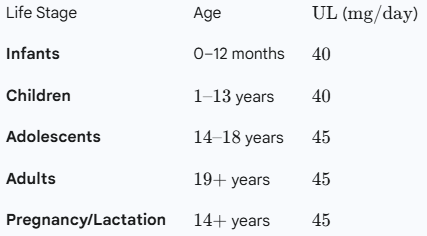
Tolerable Upper Intake Level (UL) for Iron
The UL is the maximum daily intake that is unlikely to pose a risk of adverse health effects from all sources (food, water, and supplements). The UL for iron is based on the risk of gastrointestinal distress and, for high long-term intake, the risk of iron overload.
Exceeding the Tolerable Upper Intake Level (UL)
Exceeding the Tolerable Upper Intake Level (UL) of Iron primarily carries two major risks: acute poisoning and chronic organ damage from iron overload.
Acute Effects (Gastrointestinal Distress)
The UL is based on preventing acute side effects, which are usually a result of the large amount of unabsorbed iron irritating the gastrointestinal (GI) tract.
- Gastrointestinal Symptoms: These are the most common and earliest signs of exceeding the UL, especially from taking iron supplements. They include nausea, vomiting, abdominal pain, diarrhea, and constipation.
- Acute Poisoning: Accidental ingestion of massive iron doses, especially by young children who may mistake supplements for candy, is a leading cause of accidental poisoning fatalities. This requires immediate medical intervention.
Chronic Effects
Sustained intake of iron above the UL can lead to an accumulation of iron in the body tissues, a condition known as hemosiderosis or, when accompanied by tissue damage, hereditary hemochromatosis (though this is primarily a genetic disorder.).
Iron overload is dangerous because free iron generates reactive oxygen species (free radicals) that damage cellular components, leading to orang failure over time.
High chronic intake is particularly risky for:
- Men and Postmenopausal Women: They do not have a regular mechanism (like menstruation) to lose iron, making accumulation easier.
- Individuals with hereditary Hemochromatosis: People with this common genetic condition absorb and retain too much iron from their diet. High supplemental iron intake can drastically accelerate organ damage.
Organs Affected by Chronic Iron Overload
- Liver: Cirrhosis (scaring, liver failure, and increased risk of liver cancer.
- Heart: Cardiomyopathy (heart muscle disease), irregular heartbeat (arrhythmia), and heart failure.
- Pancreas: Damage to insulin-producing cells, leading to diabetes melitus.
- Joints: Joint pain and degenerative arthritis.
- Skin: Bronze or gray pigmentation (a classic sign)
 ZutisBljeg