
Chloride
Table of Contents
Macrominerals
Trace Minerals
Chloride is a vital mineral and electrolyte that’s essential for several bodily functions. it’s often paired with sodium, as they work together to maintain many processes.
Fluid Balance and Hydration
Chloride is a key player in regulating fluid balance inside and outside your cells. It helps maintain the correct volume of blood and bodily fluids, ensuring cells are properly hydrated and function correctly. This is particularly important during exercise or illness when fluids are lost.
Aids Digestion
A major role of chloride is the production of hydrochloric acid (HCL) in the stomach. HCL is a primary component of gastric acid, which is crucial for:
- Breaking down proteins
- Activating digestive enzymes
- Killing harmful bacteria and other pathogens that enter the body with food
Nerve and Muscle Function
Chloride, along with sodium and potassium, helps generate the electrical impulses that allow for nerve signal transmission and muscle contraction. This includes the vital function of your heart muscle.
Helps Transport Oxygen and Carbon Dioxide
Chloride ions play a role in a process called the “chloride shift.” This is a mechanism that helps red blood cells transport carbon dioxide (a waste product) from your body’s tissues to your lungs to be exhaled.
Signs of Chloride Deficiency
Chloride deficiency, or hypochloremia, is a condition where the level of chloride in the blood is abnormally low. Because chloride is closely linked with sodium, a deficiency often occurs alongside low sodium (hyponatremia) or other electrolyte imbalances.
A deficiency is not usually caused by poor dietary intake alone, as chloride is widely available in table salt and many foods. Instead, it typically results from conditions that cause the body to lose a large amount of fluid.
Causes
- Prolonged Vomiting Or Diarrhea: The stomach produces hydrochloric acid (HCL), which is rich in chloride. When you experience prolonged vomiting, your body loses a significant amount of chloride, which can lead to a deficiency.
- Excessive Sweating: Heavy, prolonged sweating, especially in hot environments, can deplete both sodium and chloride.
- Certain Medications: The use of diuretics (water pills), laxatives, and corticosteroids can cause the kidneys to excrete more chloride than normal.
- Kidney or Other Health Problems: Kidney disease, heart failure, or certain hormonal conditions can disrupt the body’s ability to regulate chloride levels.
Dangers and Symptoms
- Dehydration: A deficiency can impair the body’s ability to maintain proper fluid balance, leading to dehydration.
- Metabolic Alkalosis: This is a key danger to chloride deficiency. it’s a condition where the body’s pH becomes too alkaline (basic) due to a loss of acid. Symptoms can include irritability, muscle twitching, and tingling int the fingers and toes.
- Neurological Symptoms: As chloride is important for nerve function, a severe deficiency can lead to headaches, confusion, or in very serious cases, seizures or coma.
- Muscle Problems: You may experience muscle weakness, cramps, or spasms.
- Cardiac Issues: In severe cases, an electrolyte imbalance can affect heart function, leading to irregular heartbeats (arrhythmia) and low blood pressure.
Sources of Chloride
The primary source of chloride for most people is table salt, which is made of sodium chloride (NaCl). This means that any food high in sodium is also high in chloride.
Common Sources
- Processed and Packaged Foods: This is the largest source of chloride for most diets. Chloride is added to these foods in the form of salt to act as a flavor enhancer and preservative. This includes things like:
- Canned soups and vegetables
- Deli meats and sausages
- Salty snacks such as chips and pretzels
- Breads, crackers, and other baked goods
- Condiments like soy sauce, ketchup, and salad dressings
Natural Sources
Chloride is also found naturally in many whole foods, though in smaller amounts than in processed foods.
- Vegetables: Foods like tomatoes, lettuce, celery, and olives contain natural chloride.
- Seafood: Fish, shellfish, and especially sea vegetables like seaweed are good natural sources of chloride.
- Rye: Rye and other whole grains naturally contain chloride.
- Meat and Dairy: Fresh meat, poultry, and dairy products like milk and cheese also contain a small amount of natural chloride.
Since most people get more than enough sodium, they also get more than enough chloride. Deficiency is rare and usually caused by an underlying health condition rather than a lack of dietary intake.
RDA, AI and UL
Chloride (Cl⁻) does not have a formal Recommended Dietary Allowance (RDA) because there is insufficient data to set an EAR (Estimated Average Requirement). Instead, its recommended intake is set as and Adequate Intake (AI)
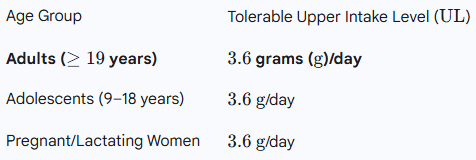
The AI and Tolerable Upper Intake Level (UL) for chloride are generally based on the reference values for Sodium, since Chloride is primarily consumed as sodium chloride (table salt)
Adequate Intake (AI) for Chloride
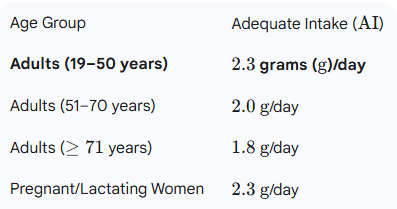
Note: 2.3g of chloride is approximately the amount of chloride found in 3.8g of table salt (NaCl).
Tolerable Upper Intake Level (UL) for Chloride
The UL is the maximum daily intake considered safe. Exceeding this limit regularly increases the risk of adverse effects, primarily due to its combination with sodium in salt, which is associated with increased blood pressure in salt-sensitive individuals.
Chloride’s Role
It’s worth noting that chloride is a vital electrolyte.
- It works closely with sodium and potassium to maintain fluid balance, blood volume, and blood pressure.
- It is an essential component of hydrochloric acid (HCl) in the stomach, which is necessary for proper digestion.
- During intense exercise, chloride is lost in sweat, making its replacement (often through sports drinks or salty snacks) important for athletes.
Exceeding the Tolerable Upper Intake Level (UL)
Exceeding the Tolerable Upper Intake Level (UL) for chloride, which is 3.6 grams/day for adults, is primarily a concern because of its nearly exclusive dietary association with sodium in the form of table salt (sodium chloride).
The main adverse health effects of chronically high chloride intake are essentially those associated with excessive sodium intake.
Primary Chronic Risk: Elevated Blood Pressure
The most significant and-well documented risk of high intake of sodium chloride (salt) is its link to hypertension (high blood pressure, which is a major risk factor for:
- Cardiovascular Disease (CVD): Increased risk of heart attack and stroke.
- Kidney Disease: The extra work required by the kidneys to excrete the excess sodium and chloride can be damaging over time.
- Increased Fluid Retention (Edema): The body holds onto water to dilute the excess sodium/chloride, which increases blood volume.
Studies also suggest that the chloride component itself may contribute to the blood pressure-raising effects of sodium chloride.
Hyperchloremia (High Blood Chloride Levels)
While a high dietary intake can contribute to the risk, elevated chloride levels in the blood, known as Hyperchloremia, are typically a sign of an underlying medical condition rather than solely a result of dietary excess in healthy individuals.
Conditions that cause high blood chloride include:
- Severe Dehydration: Loss of fluid concentrates the remaining electrolytes.
- Metabolic Acidosis: When the blood becomes too acidic, the body may retain chloride to help balance the acid-base chemistry.
- Kidney Dysfunction: Impaired kidney function can reduce the body’s ability to properly excrete chloride.
- Excessive Intravenous Saline: In clinical settings, the over-administration of normal saline solution (sodium chloride) can cause hyperchloremia.
Symptoms of Hyperchloremia
(usually seen in severe cases related to a medical condition, not just moderate dietary excess) can include:
- Fatigue and muscle weakness
- Excessive thirst
- High blood pressure
- Difficulty breathing
In summary, for a generally healthy individual, exceeding the UL of chloride is primarily a concern because it is an indicator of excessive salt consumption, and the resulting high sodium intake poses a significant long-term risk to cardiovascular and kidney health.
 ZutisBljeg