
Molybdenum
Table of Contents
Macrominerals
Trace Minerals
Molybdenum is an essential trace mineral whose primary benefits stem form its role as a cofactor for four critical enzymes in the body. These enzymes drive biochemical reactions vital for metabolism and detoxification.
Benefits of Molybdenum
Detoxification and Waste Processing
Molybdenum-depending enzymes are crucial for breaking down and eliminating potentially harmful substances, including:
- Processing Sulfites: The enzyme sulfite oxidase converts sulfites into sulfates. Sulfites are naturally occurring compounds and are also used as preservatives in foods. If sulfites are not properly broken down, they can build up and cause adverse reactions, especially in people with sulfite sensitivities.
- Breaking Down Toxins and Drugs: The enzyme aldehyde oxidase helps the liver break down various toxic compounds and certain medications, facilitating their safe removal form the body.
- Metabolizing Waste Products: The enzyme xanthine oxidase breaks down purines- compounds from the breakdown of DNA and certain foods-into uric acid, which is then excreted. This process helps prevent the buildup of purines.
Supporting Protein and Genetic Metabolism
Molybdenum is indirectly involved in the metabolism of proteins and genetic material:
- It helps in the breakdown of sulfur-containing amino acids (like methionine and cysteine), which are the building blocks of protieins.
- The breakdown of purines is necessary for the proper management and recycling of DNA components.
Signs of Deficiency
Molybdenum deficiency in otherwise healthy people is extremely rare due to the small amount needed and its wide availability in food.
The signs of deficiency are primarily related to the malfunction of molybdenum-dependent enzymes, leading to the toxic buildup of specific metabolic compounds, especially sulfite.
Here are the signs observed in the rare documented cases of deficiency:
In Acquired Deficiency (e.g., in a patient on long-term IV nutrition)
The only documented case of a dietary-related deficiency in an adult exhibited severe symptoms that are mostly neurological and cardiovascular:
- Neurological Disturbances: Confusion, mental changes, and eventually coma.
- Cardiovascular Signs: Rapid heart rate (tachycardia).
- Respiratory Signs: Rapid breathing (tachypnea).
- Other: Severe headache, nausea, and vomiting.
- Biochemical Markers: Abnormally high levels of sulfite and xanthine in the blood/urine, and very low levels of sulfate and uric acid.
In Genetic Molybdenum Cofactor Deficiency (MoCD)
This is a very rare, inherited metabolic disorder where the body cannot properly utilize molybdenum. Symptoms usually appear within the first few days of life and are severe:
- Intractable Seizures: Seizures that are difficult or impossible to control with anti-seizure medication.
- Severe Neurological Damage: Leads to profound developmental delay, intellectual disability, and degeneration of brain tissue.
- Motor Abnormalities: Increased or decreased muscle tone, muscle spasms, and exaggerated startle reaction (hyperekplexia).
- Other Physical Signs: Dislocated eye lenses and coarse facial features.
In both acquired and genetic deficiency, the core problem is the inability of the enzyme sulfite oxidase to convert toxic sulfite into safe sulfite, leading to the harmful buildup of sulfite in the body and central nervous system.
Sources of Molybdenum
Molybdenum is a trace mineral found in a wide variety of foods. The actual amount in plant-based foods can vary significantly depending on the molybdenum content of the soil they were grown in.
However, certain food groups are consistently identified as the best sources.
Top Food Sources of Molybdenum
- Legumes: Black-eyed Peas, Lima Beans, Lentils, Beans, Peanuts.
- Grains: Whole Grains, Whole Wheat Bread, Brown Rice, Cereal Grains.
- Organ Meats: Beef Liver (a highly concentrated source).
- Nuts & Seeds: (Nuts e.g., Walnuts, almonds), Pecans.
- Dairy: Milk, Yogurt, Cheese.
- Vegetables: Leafy Greens (e.g., Spinach), Potatoes (with skin).
RDA, AI and UL
Exceeding the Tolerable Upper Intake Level (UL)
For most healthy adults, the RDA is:

RDA for Children and Adolescents
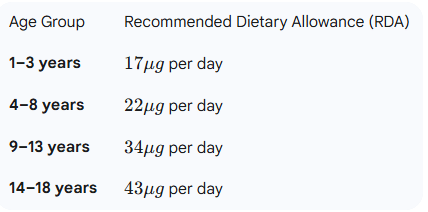
Important Note on Intake
Molybdenum is a trace mineral, and deficiency is very rare in healthy individuals who consume a varied diet. The tolerable Upper Intake Level (UL) for adults is high, at 2,000μg (or 2.0 mg) per day, meaning it is highly unlikely that you would consume a harmful amount from food alone.
 ZutisBljeg