
Manganese
Table of Contents
Macrominerals
Trace Minerals
Manganese is an essential trace mineral that is required by the body in small amounts for a wide range of functions. Its benefits largely stem from its role as a cofactor, helping to activate critical enzymes.
Benefits of Manganese
Powerful Antioxidant Defense
Manganese is an essential part of the enzyme Manganese Superoxide Dismutase (MnSOD), which is one of the most important antioxidants in the body.
- Cellular Protection: MnSOD is located in the mitochondria (the energy powerhouse of the cell) and helps convert damaging free radicals into harmless molecules.
- Reduces Oxidative Stress: This action helps protect cells from damage and may help lower the risk of chronic, inflammatory diseases.
Supports Bone Health
Manganese plays a key role in the development and maintenance of strong bones and connective tissue.
- Bone Formation: It is required for the enzymes that help build healthy cartilage and bone tissue.
- Connective Tissue: It is essential for the formation of collage, a protein that provides structure and strength to bones, skin, and joints.
Aids in Metabolism and Energy Production
It is vital for the proper breakdown and utilization of macronutrients from your diet.
- Nutrient Processing: it acts as a cofactor for enzymes involved in the metabolism of carbohydrates, amino acids (protein), and cholesterol.
- Blood Sugar Regulation: It’s involved in the process of gluconeogenesis, which is the creation of glucose from non-carbohydrate sources, helping to maintain stable blood sugar levels.
Promotes Wound Healing
Manganese works with Vitamin K to facilitate the initial stages of healing.
- Blood Clotting: It is necessary for the formation of blood clots, which stops bleeding and is the first step in the wound-healing process.
- Collagen Synthesis: Its role in producing collagen also directly supports the repair of damaged tissue.
Supports Brain and Nerve Function
The mineral is concentrated in the brain and is necessary for healthy neural activity.
- Nerve Signaling: It helps nerve cells send signals to each other (neurotransmitter function).
- Protection: Its antioxidant role (MnSOD) also helps protect brain cells from radical damage.
Signs of Deficiency
Manganese deficiency in humans is considered extremely rare, as the mineral is widely available in many common foods. However, in the few cases that have been studied-often in controlled low-manganese diets or in individuals with malabsorption issues-the symptoms observed generally relate to the mineral’s critical roles in metabolism, bone, and brain function.
The signs of a potential manganese deficiency may include:
Metabolic and General Symptoms
- Impaired Glucose Tolerance: Difficulty in processing sugar, which may result in mildly abnormal blood sugar levels. Manganese is a cofactor for enzymes involved in carbohydrate metabolism.
- Altered Lipid/Cholesterol Metabolism: Changes in the levels of circulating cholesterol, particularly a decease in serum cholesterol.
- Fatigue and Exhaustion: Due to manganese’s role in the mitochondria, which are involved in cellular energy production.
Skeletal and Connective Tissue Symptoms
- Poor Bone Growth and Skeletal Defects: In children, a deficiency can lead to impaired growth and abnormal development of bone and cartilage.
- Reduced Bone Density: Manganese is essential for enzymes required for the synthesis of the proteoglycans needed for healthy bone and cartilage formation.
- Impaired Wound Healing: Manganese is involved in the formation of collagen, which is critical for skin integrity and healing process.
Dermatological and Reproductive Symptoms
- Transient Skin Rash (Dermatitis): Skin problems can manifest due to the mineral’s role in the connective tissue health.
- Hair Color Changes: Loss of hair color has been reported in men in some studies.
- Increased Premenstrual Pain: Women on a low-manganese diet have reported worse menstrual pain.
- Reproductive Issues: Low fertility and potential issues with menstrual cycles.
Neurological Symptoms
- Altered Mood States: Changes in mood, as manganese is involved in the synthesis of neurotransmitters like dopamine and serotonin.
Sources of Manganese
Manganese is an essential trace mineral found widely in nature, making i accessible through a variety of dietary sources.
The top sources of manganese are:
Whole Grains and Cereals
- Brown Rice
- Oatmeal/Oats
- Whole Wheat Bread and other whole-grain products (like whole wheat pasta and bulgur)
- Toasted Wheat Germ
Nuts and Seeds
- Hazelnuts
- Pecans
- Pine Nuts
- Macadamia Nuts
- Pumpkin Seeds
- Sesame Seeds
- Almonds
Legumes and Soy Products
- Chickpeas (Garbanzo Beans)
- Lentils
- Soybeans (including tofu and edamame)
- Lima Beans
- Black Beans
Vegetables and Fruits
- Spinach (especially cooked)
- Kale and other leafy greens
- Sweet Potatoes
- Pineapple (raw)
- Berries (Raspberries, Blueberries, Blackberries)
Beverage and Spices
- Black Tea (can be a significant source)
- Coffee
- Black Pepper
- Cloves
Seafood
- Mussels
- Clams
- Oysters
RDA
Since manganese is so prevalent in whole foods, most people meet the recommended daily intake (AI) of 2.3mg/day for adult men and 1.8mg/day for adult women for balanced diet.
Other life stages:
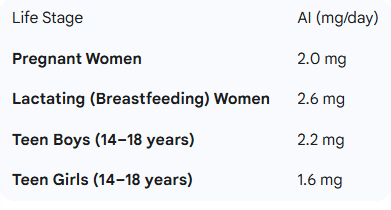
The Tolerable Upper Intake Level (UL) for manganese, the maximum daily intake unlikely to cause adverse health effects, is 11 mg per day for adults (19+ years), including pregnant and lactating women.
 ZutisBljeg