
Zinc
Table of Contents
Macrominerals
Trace Minerals
Zinc is an essential trace mineral that plays a crucial role in many bodily functions. It’s needed in small amounts but has a powerful impact on health.
Immune System Support
Zinc is vital for a healthy immune system. It helps immune cells, such as T-cells, to function properly and plays a role in reducing inflammation. A deficiency in zinc can weaken the immune response, making you more susceptible to infections.
Wound Healing
Zinc is essential for wound healing and tissue repair. It is involved in cell growth and is a necessary part of the synthesis of collage, which is a protein that provides structure to skin and other tissues.
Protein and DNA Synthesis
Zinc is a key cofactor for over 300 enzymes in the body. It is involved in creating proteins and DNA which are fundamental to cell growth, division and repair. This is why it’s so important for growth and development, especially in children and during pregnancy.
Supports Taste and Smell
Zinc is crucial for the proper functioning of your senses of taste and smell. A common sign of zinc deficiency is a reduced ability to taste or smell.
Antioxidant Function
Zinc acts as an antioxidant, helping to protect cells from damage caused by free radicals. This can help reduce oxidative stress, which is linked to aging and chronic diseases.
Signs of Deficiency
Zinc deficiency, also called hypozincemia, can be dangerous because it affects numerous bodily processes, from immune function to growth. The symptoms are often non-specific, making it easy to miss.
Common Dangers and Symptoms
- Weakened Immune System: Zinc is vital for immune cell function. A deficiency can make you more susceptible to infections and illnesses.
- Delayed Wound Healing: Zinc is critical for cell growth and collagen synthesis. Without enough, cuts and other wounds heal much more slowly.
- Hair Loss: Zinc deficiency can disrupt the hair growth cycle, leading to hair loss.
- Loss of Appetite and Taste: Zinc is crucial for the proper functioning of your senses. A deficiency can cause a poor appetite and reduce ability to taste or smell.
- Skin Rashes: Rashes, especially around the mouth and genitals, can be a symptom of a zinc deficiency.
Severe Complications
- Impaired Growth and Development: In children, a severe zinc deficiency can lead to delayed growth, slow puberty, and impaired mental development.
- Diarrhea: Chronic diarrhea is a common symptom and can worsen the deficiency by causing further nutrient loss.
- Cognitive Problems: Zinc is important for brain function. A deficiency can lead to memory problems, difficulty with learning, and behavioral issues.
- Increased Risks of Other Conditions: Long-term deficiency is associated with a higher risk of developing conditions like diabetes, as zinc plays a role in insulin function.
Sources of Zinc
Sources of zinc include a variety of both animal and plant-based foods, though the body absorbs zinc more easily from animal products.
Animal Sources
- Oysters are one of the most concentrated sources of zinc.
- Red Meat: Beef, lamb, and pork are excellent sources.
- Poultry: Chicken and turkey, especially the dark meat.
- Seafood: Crab, lobster, and other shellfish.
- Dairy Products: Milk, yogurt, and cheese.
Plant Sources
- Legumes: Chickpeas, lentils, and beans.
- Nuts and Seeds: Pumpkin seeds, cashews, and almonds are good sources.
- Whole Grains: Oats, quinoa, and brown rice.
- Vegetables: Potatoes and some fortified breakfast cereals also contain zinc.
RDA, AI and UL
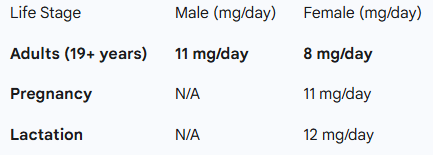
RDA for Zinc
The RDA is the average daily intake level sufficient to meet the nutrient requirements of nearly all (97%-98%) healthy individuals.
AI for Zinc
The AI is established when there is insufficient evidence to develop an RDA. For adults, an RDA has been established, so an AI is not typically used.
The AI value is primarily used for infants from birth to 6 months:
- Infants (0-6 months): 2 mg/day
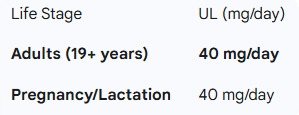
UL for Zinc
The UL is the maximum daily intake that is unlikely to cause adverse health effects on the body. Chronic intake above the UL increases the risk of side effects, such as copper deficiency and impaired immune function.
Note on Phytates (in plant foods)
The bioavailability of zinc can be affected by the amount of phytates in the diet (found in whole grains, legumes, etc.). Vegetarian and vegan diets, which tend to be higher in phytates, may require an intake of up to 50% higher than the values listed above to achieve the same zinc absorption.
Exceeding the Tolerable Upper Intake Level (UL)
Exceeding the Tolerable Upper Intake Level (UL) of 40 mg/day for zinc for adults can lead to both immediate (acute) and long-term (chronic) adverse health effects.
The most significant and serious risk of chronic excessive zinc intake is copper deficiency, as zinc interferes with the body’s ability to absorb copper.
Acute Symptoms (Short-Term, High Dose)
These symptoms often occur shortly after consuming a large dose of zinc, typically well over the 4 mg UL (e.g., single doses of 100-300mg or more).
- Gastrointestinal Distress:
- Nausea and Vomiting
- Loss of appetite (anorexia)
- Abdominal pain and cramps
- Diarrhea
- Other Symptoms:
- Headaiches
- Fatigue/Lethargy
- A metallic taste in the mouth
Chronic Effects (Long-Term, Above UL)
These health issues are associated with consistently taking zinc above the UL (40 mg/day) over weeks or months, often via supplements.
- Copper Deficiency: The primary concern. High zinc intake stimulates the synthesis of protein called metallothionein, which binds copper and prevents its absorption in the gut.
- Hematological Issues: Copper deficiency can lead to: Anemia (specifically microcytic anemia) and Neutropenia (a low white blood cell count).
- Neurological Problems: Copper deficiency can cause damage to the nervous system, leading to symptoms like: Numbness, tingling, and weakness in the limbs (peripheral neuropathy).
- Impaired Immune Function: Both copper and zinc are critical for the immune system. Long-term high zinc intake can eventually suppress immune function due to the induced copper deficiency.
- Altered Cholesterol: High-dose zinc intake has been linked to reduction in HDL (“good”) cholesterol levels, which may negatively impact cardiovascular health.
Note on Sources
The most common way to exceed the UL is through zinc supplementation, especially by taking multiple high-dose supplements (e.g., zinc lozenges for acold combined with a daily multivitamin that already contains zinc). It is extremely rare to exceed the UL from food sources alone.
 ZutisBljeg