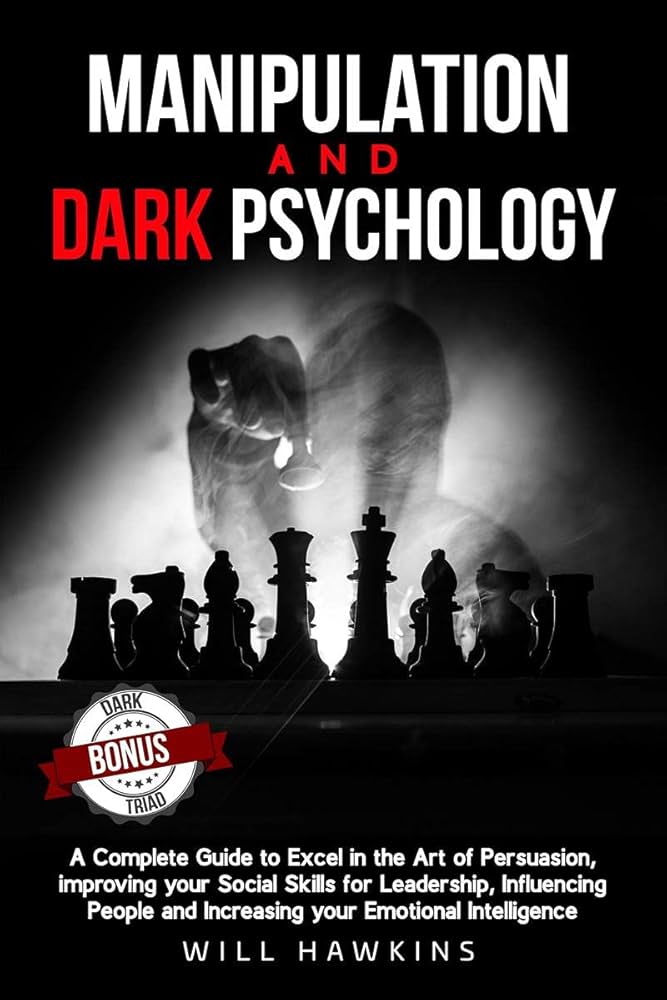
Will Hawkins – Manipulation and Dark Psychology

Gemini Artificial Intelligence Overview

Introduction

In Manipulation and Dark Psychology, Will Hawkins explores the “shadow side” of human interaction. While your focus is on ethical entrepreneurship and building value, Hawkins argues that understanding these darker tactics is essential for defense. By knowing how manipulators operate, you can protect your brand, your vision, and your resources from being exploited.

The book focuses on the “Dark Triad” of personalities and the specific techniques used to influence others covertly.

1. The Dark Triad

Hawkins identifies three personality traits that frequently use these tactics:

Narcissism

Driven by grandiosity, pride, and lack of empathy.

Machiavellianism

Characterized by the manipulation and exploitation of others, a cynical disregard for morality, and a focus on self-interest and deception.

Psychopathy

Surface charm coupled with impulsivity, selfishness, and total lack of remorse.

2. Common Manipulation Techniques

The book details how “dark” influencers bend the will of others without them realizing it:

Gaslighting

Making someone question their own reality, memory, or perceptions to gain power over them.

Love Bombing

Overwhelming a target with affection and attention to create a fast, intense emotional dependency.

The “Foot-in-the-Door” & “Door-in-the-Face”

*Foot-in-the-Door: Getting someone to agree to a tiny request to make them more likely to argue to a larger one later.

*Door-in-the-Face: Making an initial outrageous request that is sure to be rejected, so that a second, “smaller” request (the actual goal) seems reasonable by comparison>

Guilt Tripping

Using a person’s conscience and empathy against them to force compliance.

3.Subliminal Influence and NLP

Hawkins touches on Neuro-Linguistic Programming (NLP) and how it can be used to bypass the conscious mind:

Anchoring

Associating a specific physical touch or sound with a particular emotional state to “trigger” that emotion later.

Embedded Commands

Hiding instructions within a normal-sounding sentence (e.g., “I don’t know when you will realize this is a great deal”).

4.Vulnerability Assesment

A key part of the book is identifying why people are susceptible to manipulation. Manipulators look for:

The “Need to Please”

People-pleasers are easy targets for guilt.

Emotional Highs/Lows

People are most vulnerable when they are in a state of heightened emotion (fear, excitement, or exhaustion).

Lack of Boundaries

Those who haven’t clearly defined their personal or professional limits.

5. Defensive Strategies (The “Shield”)

For a vision-driven entrepreneur, these are the most practical takeaways:

Trust but Verify

Always look for patterns of behavior rather than isolated words.

Delay Your Response

Manipulators use “urgency” to stop you from thinking. Force a “cooling off” period before signing anything or making big decisions.

Emotional Detachment

Learn to recognize when someone is trying to “push your buttons” and observe the attempt clinically rather than reacting emotionally.

Summary for the Enerpreneur

While Navarro taught you how to read people and Borg taught you how to persuade them ethically, Hawkins teaches you how to guard your perimeter. Since you are “the source of all the value” in your brand, protecting that value from bad-faith actors is a vital skill.
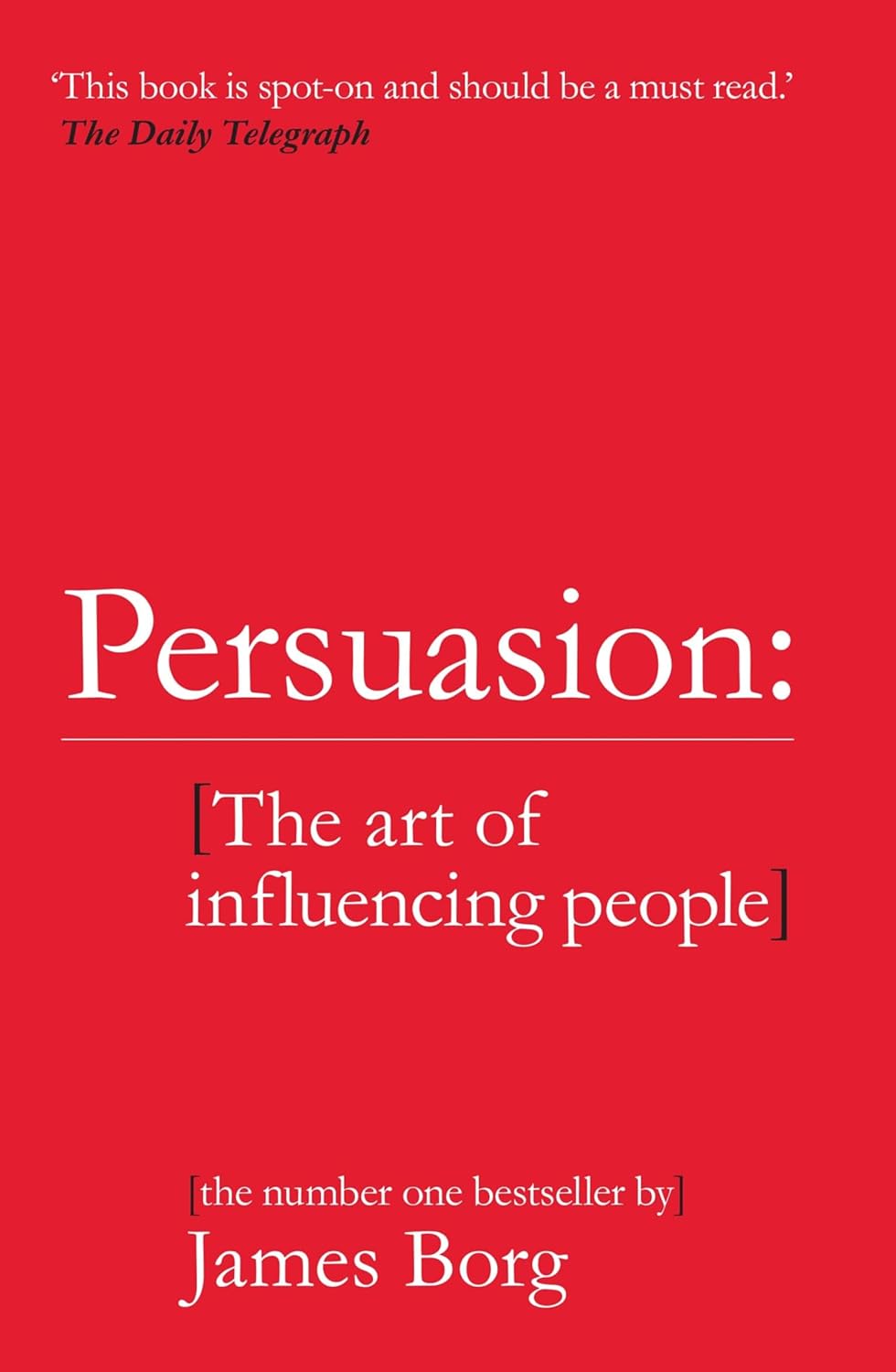
James Borg – Persuasion: The art of Influencing People

Gemini Artificial Intelligence Overview

Introduction

In Persuasion: The art of influencing people, James Borg argues that persuasion isn’t about manipulation or “jedi mind tricks.” Instead, it is about empathy, integrity, and communication. For an entrepreneur like yourself, these principles are essential for building a brand that resonates ethically and creates “win-win” scenarios.

Here is a summary of the key pillars of Borg’s approach:

1. The “Person” First (Empathy)

Borg emphasizes that persuasion starts with the other person, not your product or idea.

Empathy vs. Sympathy

Persuaders succeed by feeling with someone, not just feeling for them. You must understand their “worldview” before you can influence it.

The Power of Listening

Most people listen with the intent to reply; Borg suggests listening with the intent to understand. This builds the trust necessary for any deal.

2. The Power of Words

Borg highlights how subtle shifts in vocabulary can change the psychological response of the listener:

The “But” Eraser

Using the word “but” often cancels out everything said before it. (e.g., “i like your vision, but…” sounds like a rejection). Use “and” or pause instead.

Positive Framing

Focus on what can be done rather than what can’t.

Using “You”

The most persuasive word in the English language is the listener’s name or the word “you,” as it instantly engages their self-interest.

3. Memory and Attention

If people don’t remember your message, you haven’t persuaded them.

The Rule of Three

People struggle to remember more than three key points. Keep your pitches and your blog posts focused on a “Power Trio” of ideas.

Primacy and Recency

People Remember the beginning and the end of a conversation most clearly. Place your “ask” or your most valuable information at these points.

4. Body Language (The Silent Sync)

Similar to Joe Navarro’s work, Borg emphasizes that your physical presence must match your words.

Mirroring

Subtly reflecting the posture or energy of the other person creates a subconscious feeling of rapport.

Open Gestures

To be persuasive, you must appear trustworthy. Avoid “closed” postures like crossed arms or hidden hands.

5. Telephone and Digital Persuasion

Unlike many older books, Borg includes the nuances of persuading when you aren’t face-to-face:

The voice

Since 100% of the visuals is lost on a call, your tone, pitch, and “smile” in your voice become the primary tools of influence.

E-mail Clarity

Persuasion in writing requires brevity and a clear “call to action.” Avoid ambiguity that creates mental friction for the reader.

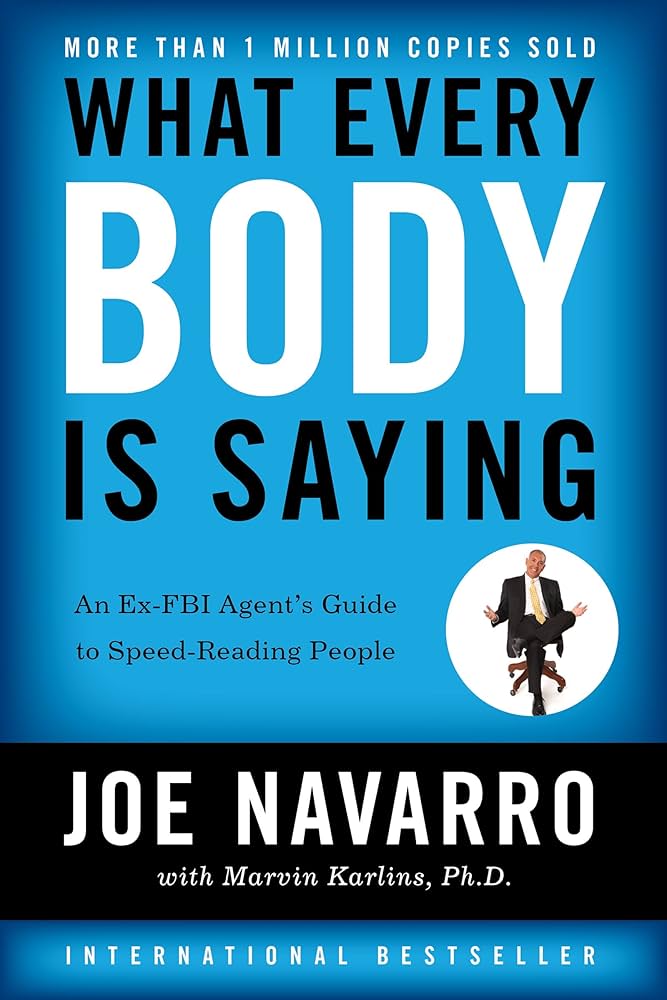
Joe Navarro – What Every BODY Is Saying

Gemini Artificial Intelligence Overview

Introduction

In What Every Body is Saying, former FBI counterintelligence officer Joe Navarro explains that nonverbal communication is the most honest way to understand what people are truly thinking and feeling.

Here is a concise summary of the core principles:

1. The “Honest Brain” vs. The “Lying Brain”

Navarro breaks down the brain into two main parts regarding communication:

The Limbic System (The Honest Brain)

This part reacts instinctively and instantly to the environment. It cannot be easily controlled, making its physical “tells the most reliable source of truth.

The Neocortex (The Thinking Brain)

This is the part of the brain that allows us to plan, reason, and – importantly – lie. Because we can “think” our way through the words, speech is often less reliable than body language.

2. The survival Responses

When the limbic brain senses a threat or discomfort, it triggers three responses in order:

Freeze

The first reaction to a threat is to go still to avoid detection (e.g., person suddenly stop mid-sentence or “locking up” when asked a tough question).

Flight

If freezing doesn’t work, we try to distance ourselves. This manifests as “blocking” behaviors – leaning away, pointing feet toward the door, or closing eyes.

Fight

The last resort. This shows up as puffing out the chest, invading personal space, or aggressive gesturing.

3.The “Honest Feet” Principle

Most people focus on the face when trying to read others, but Navarro argues the feet and legs are the most honest parts of the body.

Happy Feet

Wiggling or bouncing feet signify high confidence or excitement.

The Exit Sign

If someone is talking to you but one foot is pointed toward an exit, they likely want to leave, even if their upper body is still facing you.

The Leg Cross

When people cross their legs while standing, it’s a sign of high comfort, as it puts them in a “vulnerable” (unbalanced) position.

4. Comfort vs. Discomfort (Pacifying Behaviors)

The book simplifies body language into a binary: Is the person comfortable or uncomfortable?

Pacifying Behaviours

When we experience stress, we perform “self-soothing” actions to calm the limbic brain.

  • Neck Touching/Stroking: A very common sign of insecurity or anxiety.
  • Leg Cleansing: Rubbing the palms down the thighs (to dry sweaty palms or to “wipe away” tension).
  • Lip Compression: Pressing lips together until they “disappear” is a classic sign of extreme stress or dislike.

5. How to Observe Effectively

Navarro provides a “Ten Commandments” for observation, but the most critical are:

Establish a Baseline

Observe how someone acts when they are relaxed so you can spot when they deviate from that norm.

Look for Clusters

Don’t rely on one single “tell.” Look for multiple signs of discomfort (e.g., a lip bite followed by a neck touch)

Context is King

A person crossing their arms in a cold room means something different than someone crossing them during a business pitch.

Caffeine

Disclaimer!

This post is created with the help of Google AI “Gemini” and is written for documentation and entertainment purposes only. Always do your own research and be skeptical about everything you see and read on the internet.

What is caffeine?

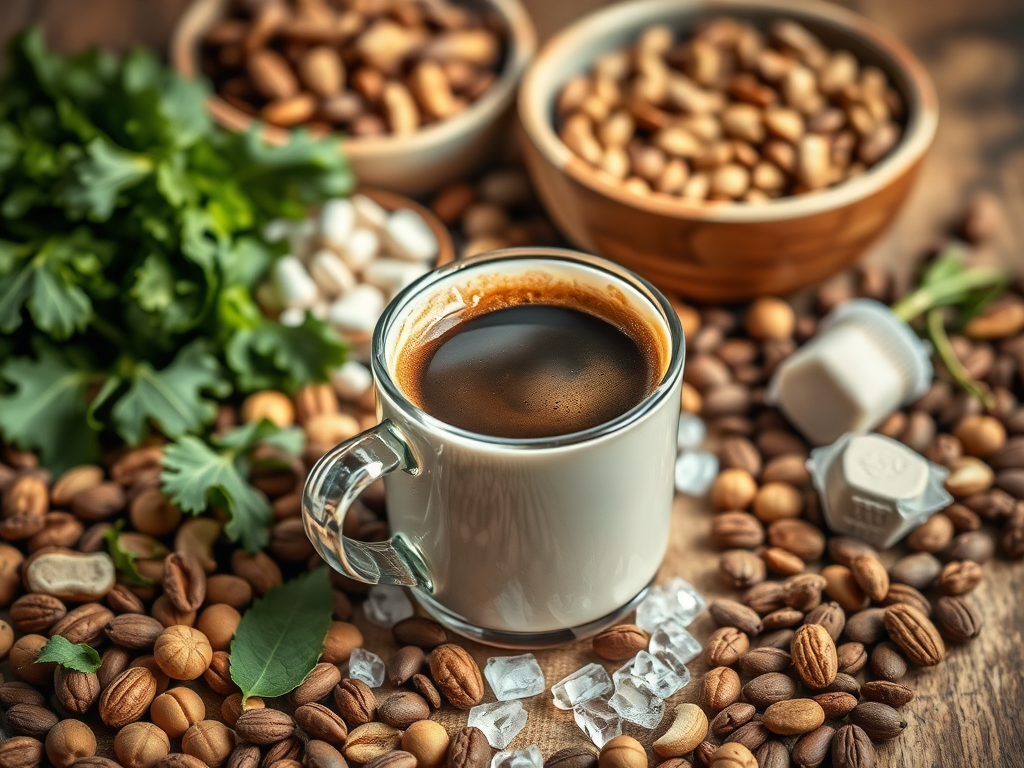
Caffeine is a natural stimulant drug that affects the central nervous system, making you feel more alert and energetic. It is found in the leaves, seeds, and fruits of several plants, most notably the coffee bean and tea leaves.

How it Works

Caffeine’s primary mechanism is blocking the effects of adenosine, a neurotransmitter that builds up in your brain throughout the day and causes you to feel tired. Caffeine molecules are structurally similar to adenosine and binds to its receptors, preventing the “sleepiness” signal from being sent. This also boosts other chemicals like adrenaline and dopamine, which further increases alertness and mood.

Common Sources

Caffeine is one of the most widely consumed psychoactive substances in the world. Common sources include:

Coffee

(brewed coffee contains roughly 95-165mg per 8 oz cup)

Tea

(black or green tea contains around 25-48mg per 8 oz cup)

Energy drinks and soft drinks

Chocolate

(contains small amounts of caffeine from cocoa beans)

Certain medications

(such as some non-prescription pain relievers or cough syrups)

Effects and Safety

In moderate doses (generally up to 400 mg per day for healthy adults, according to the FDA) , caffeine is considered safe.

Positive effects

Can include increased alertness, attention, physical energy, and improved focus.

Negative effects

of caffeine in high doses can include anxiety, difficulty sleeping, headaches, and increased heart rate and blood pressure.

Regular use can lead to tolerance and withdrawal symptoms (like headaches and irritability) if consumption is abruptly stopped.

Nicotine

Disclaimer!

This post is created with the help of Google AI “Gemini” and is written for documentation and entertainment purposes only. Always do your own research and be skeptical about everything you see and read on the internet.

What is Nicotine?

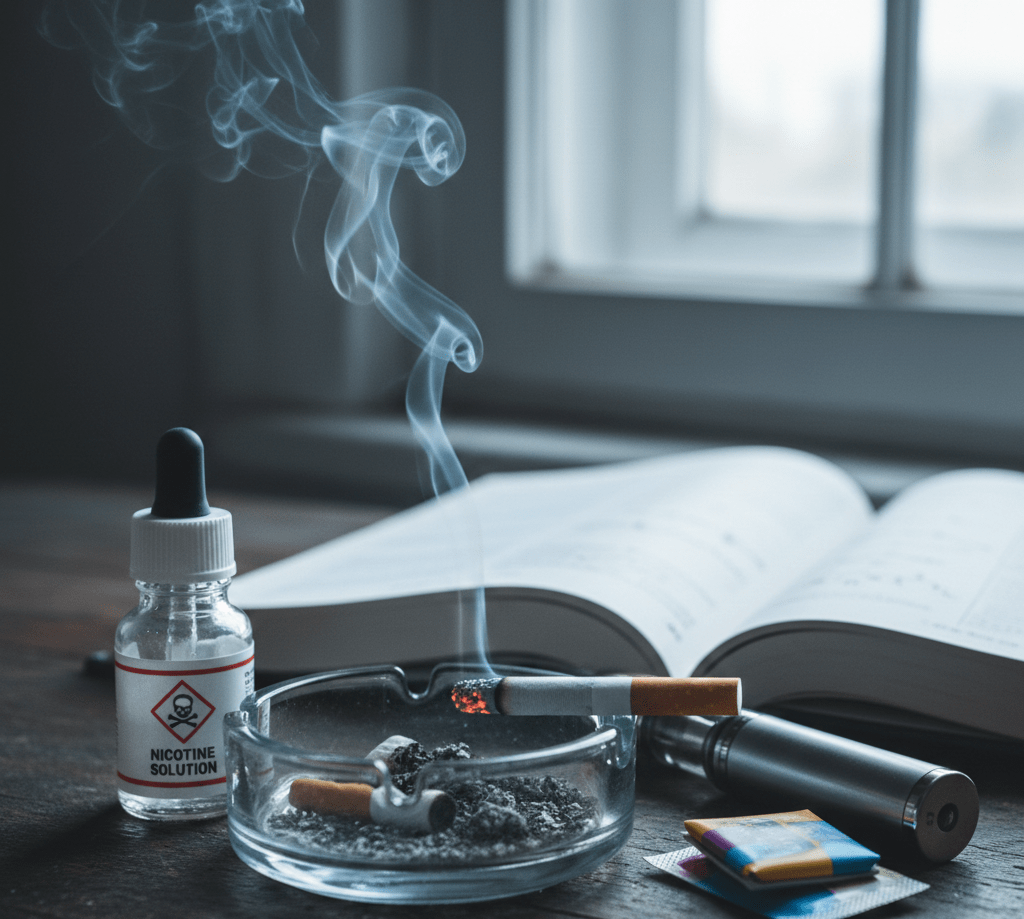
Nicotine is a highly addictive, poisonous chemical and stimulant found in tobacco plants, acting on the brain to cause pleasure and alertness but also increasing heart rate and blood pressure, making tobacco products like cigarettes and vapes hard to quit, and historically used as an insecticide. It’s a plant alkaloid that stimulates the release of neurotransmitters like dopamine, leading to dependence, though it can be used in lower doses for cessation.

Key Characteristics

Source

Primary from tobacco, but also in small amounts in other nightshade plants like tomatoes.

Nature

An oily, colorless liquid in pure form, it’s a potent neurotoxin for insects.

Addiction

The main reason people get hooked on tobacco products, with addiction levels comparable to heroin or cocaine.

Effects on the Body (Short-Term)

Stimulant

Activates The central nervous system, increasing heart rate, blood pressure, and alertness.

Mood

Can create a sense of well-being, relaxation, and boost mood by releasing dopamine and other brain chemicals.

Physical

May cause nausea, dizziness, increased saliva, and intestinal activity.

Uses & Products

Tobacco Products

The primary source in cigarettes, cigars, smokeless tobacco, and hookah.

Vaping

A common ingredient in e-cigarettes and vapes.

Nicotine Replacement Therapy (NRT)

Used in gums, patches, and lozenges to help people quit smoking.

Insecticide

Historically used for its toxic properties against pests.

Health Risks

While nicotine itself has risks like increased heart strain, it’s often combined with numerous other harmful chemicals in tobacco, significantly increasing the danger.

High doses can be toxic, causing confusion, vomiting, and even death.

Alcohol

Disclaimer!

This post is created with the help of Google AI “Gemini” and is written for documentation and entertainment purposes only. Always do your own research and be skeptical about everything you see and read on the internet.

What is alcohol?

Alcohol, commonly known as ethanol, is a psychoactive chemical substance made from fermenting sugars in grains, fruits, or vegetables, acting as a central nervous system depressant that slows brain activity, causing intoxication (drunkenness) and affecting mood, movement, and thinking. While the term “alcohol” can refer to a class of chemicals, in drinks like beer, wine, and spirits, it specifically means ethanol, which slows messages between the brain and body, leading to euphoria at low doses and sedation or impaired function at higher doses.

How it’s made

Fermentation

Yeast consumes sugars in plants (like grapes for wine, barley for beer) and produces ethanol and carbon dioxide.

Distillation

Spirits (like vodka, whiskey) undergo distillation, removing water to concentrate the ethanol, making them much stronger.

Effects on the body

Depressant

Slows Down the brain and central nervous system.

Intoxication

Affects thinking, behavior, coordination, and mood.

Rapid Absorbtion

Enters the bloodstream quickly through the stomach and small intestine.

Types of alcoholic beverages

Beer

Lower alcohol content( around 0.09% – 6%).

Wine

Moderate content (around 12% -14%).

Spirits (Liquor)

High content (around 40% – 50%).

Broader context

Chemical Class

In chemistry, “alcohol” refers to any molecule with an oxygen and hydrogen atom bonded to a carbon atom, but “ethanol” is the drinkable type.

Health Risks

Excessive consumption is linked to various cancers, organ damage (especially liver and brain), and dependency.

The relationship between coffee and magnesium

Disclaimer!

This post is created with the help of Google AI “Gemini” and is written for documentation and entertainment purposes only. Always do your own research and be skeptical about everything you see and read on the internet.

Coffee and Magnesium

Coffee and magnesium have a complex relationship: coffee contains some magnesium but its caffeine acts as diuretic, increasing urinary loss of magnesium, especially with high intake, potentially leading to depletion, so balancing intake with magnesium rich-foods or supplements can help. Magnesium also enhances coffee’s flavor, bringing out sweetness and fruitiness, but too much can cause bitterness.

How Coffee Affects Magnesium

Diuretic Effect

Caffeine increases urine production, flushing out magnesium (and other minerals like calcium, sodium) from the body.

Depletion Risk

High consumption (several cups daily) can deplete magnesium levels over time, leading to fatigue, muscle cramps, or poor sleep.

Small Contribution

A single cup of coffee offers a small amount of magnesium (around 7mg), which can slightly offset losses but not fully compensate for heavy intake.

Magnesium in Coffee Brewing

Flavor Enhancer

Magnesium in brewing water improves coffee’s body, mouthfeel, and complexity, highlighting fruity and sweet notes.

Balance is Key

Moderate magnesium levels (like 10 ppm) enhance flavor, while excessive amounts can make coffee bitter.

Managing Your Intake

Eat Magnesium-Rich Foods

Incorporate nuts, seeds, leafy greens, and whole grains.

Stay Hydrated

Drink plenty of water alongside coffee.

Consider Supplements

Magnesium supplements (like citrate or glycinate) can help, but check with a doctor, as magnesium sulfate and oxide might have laxative effects, especially with coffee.

Listen to Your Body

If you experience jitters or cramps, you might need more magnesium or less caffeine

Wednesday Morning Schedule V1

Wake up 3.5 Hours before work.

Put on your running gear, headphones and grab your torch.

Go for a run, do pull ups, dips and leg raises, finish running home.

Have a shower.

Eat Breakfast

Finish Writing a blog post you set for yourself last night.

Q: Should I go to sleep at 5 PM If I want to wake up at 4AM and don’t feel like doing anything right now?

Disclaimer!

This post is created with the help of Google AI “Gemini” and is written for documentation and entertainment purposes only. Always do your own research and be skeptical about everything you see and read on the internet.

A:

Going To Sleep at 5PM to wake up at 4AM gives you 11 hours in bed. While that might feel like a good way to “reset” when you’re feeling unmotivated, it may actually leave you feeling worse.

Here is a breakdown of why this might backfire and a better strategy for your entrepreneur’s schedule.

1. The “Sleep Inertia” Risk

Sleeping for 11 hours is significantly more than the recommended 7-9 hours for adults.

  • The Hangover Effect: Over-sleeping often leads to “sleep drunkenness” (sleep inertia). You might wake up at 4AM feeling extremely groggy, heavy-headed, and even less motivated than you do now.
  • Circadian Mismatch: At 5PM, your body’s core temperature is usually at its peak and your “alertness” hormones are high. Forcing sleep can lead to a shallow, restless night because you’re fighting your internal biological clock.

2. The 4AM Math

If your goal is to be a “high-performance” early raiser, you should aim for the sweet spot of sleep cycle. Each cycle is roughly 90 minutes.

BedtimeWake TimeTotal SleepResult
5:00 PM4:00 AM11 HoursLikely over-slept; risk of grogginess.
8:30 PM4:00 AM7.5 HoursIdeal. 5 full sleep cycles.
10:00 PM4:00 AM6 HoursManageable, but may cause a mid-day slump.

3. Strategy for “Not Feeling Like Doing Anything”

Since you are an entrepreneur and blogger, your “unmotivated” feeling is often a sign of mental fatigue rather than physical exhaustion. Instead of an 11-hour sleep marathon, try this:

  • The “Reset” Protocol: Instead of sleeping at 5PM, take a 20-minute power nap now. This can clear adenosine (the “sleepiness” chemical) without entering deep sleep.
  • Low-Stimulus Evening: Since you don’t feel like “doing” anything, don’t. Use this time for low-effort brand brainstorming or reading about chemistry. Avoid high-dopamine scrolling, which will keep your brain wired.
  • Early, Not Extreme: Aim to be in bed by 8PM or 8:30 PM. This gives you a solid 7.5 to 8 hours of sleep, which is the gold standard for cognitive function and creativity.

My thoughts

Google Gemini convinced me to go have a 20 minute power nap, and I felt like the information I gained from this piece of writing could benefit someone else reading this post

I never would have thought of going for a 20 minute nap to clear my adenosine. That’s a new word for me. I’m definitely adding 20 minute power naps after work. Because I went form not wanting to do anything to writing this post.

What is liquidation on Binance?

Subscribe to continue reading

Become a paid subscriber to get access to the rest of this post and other exclusive content.