What is Ketamine?

Introduction

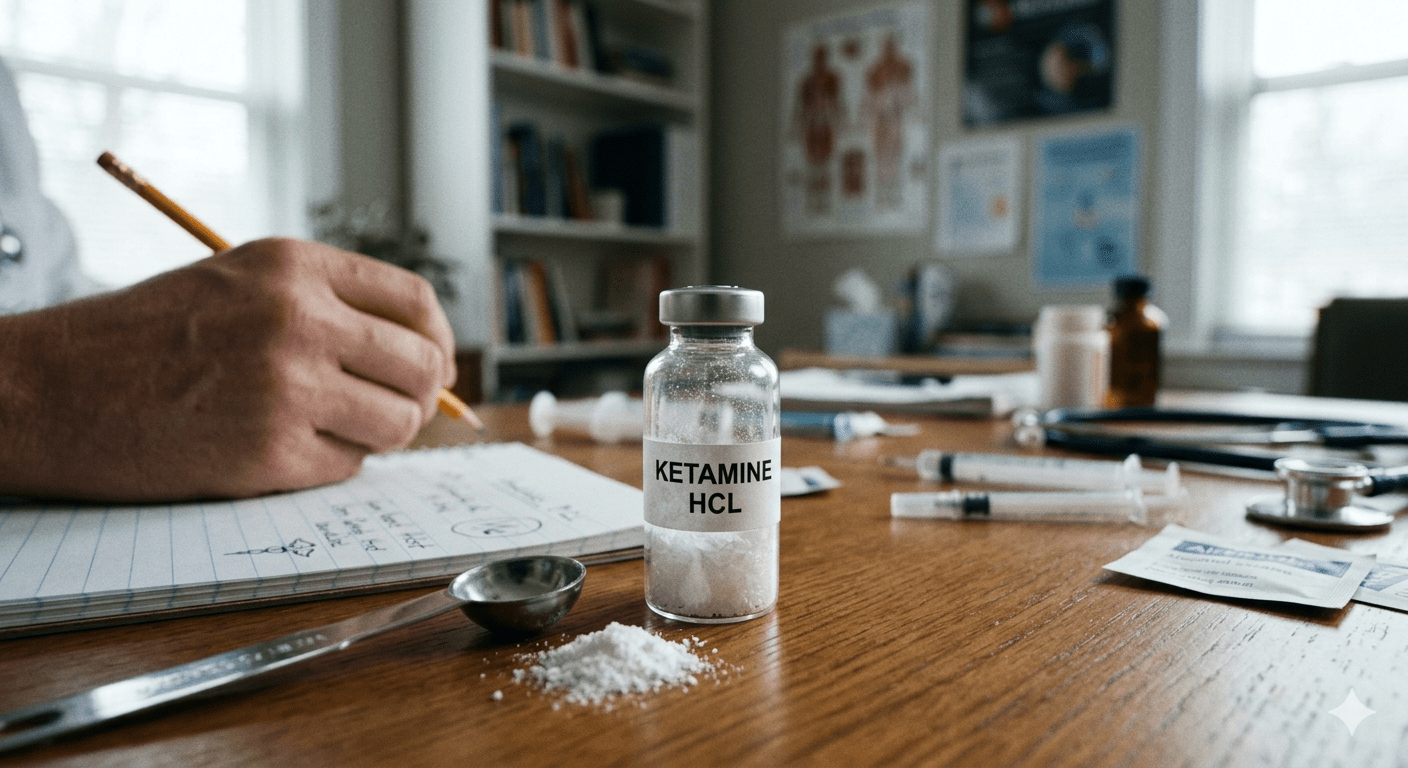
Ketamine is a dissociative anesthetic used medically for anesthesia, pain management, and treatment-resistant depression. It works by disrupting nerve pathways, often causing a sense of detachment form pain and environment. It is also misused for its hallucinogenic effects, with risks including cardiovascular issues, addiction, and severe liver disease.

What is a dissociative anesthetic?

What is anesthesia?

What is treatment-resistant depression?

What are nerve pathways?

What are hallucinogenic effects?

What are cardiovascular issues?

What is addiction?

What is severe liver disease?

What are neurotransmitters?

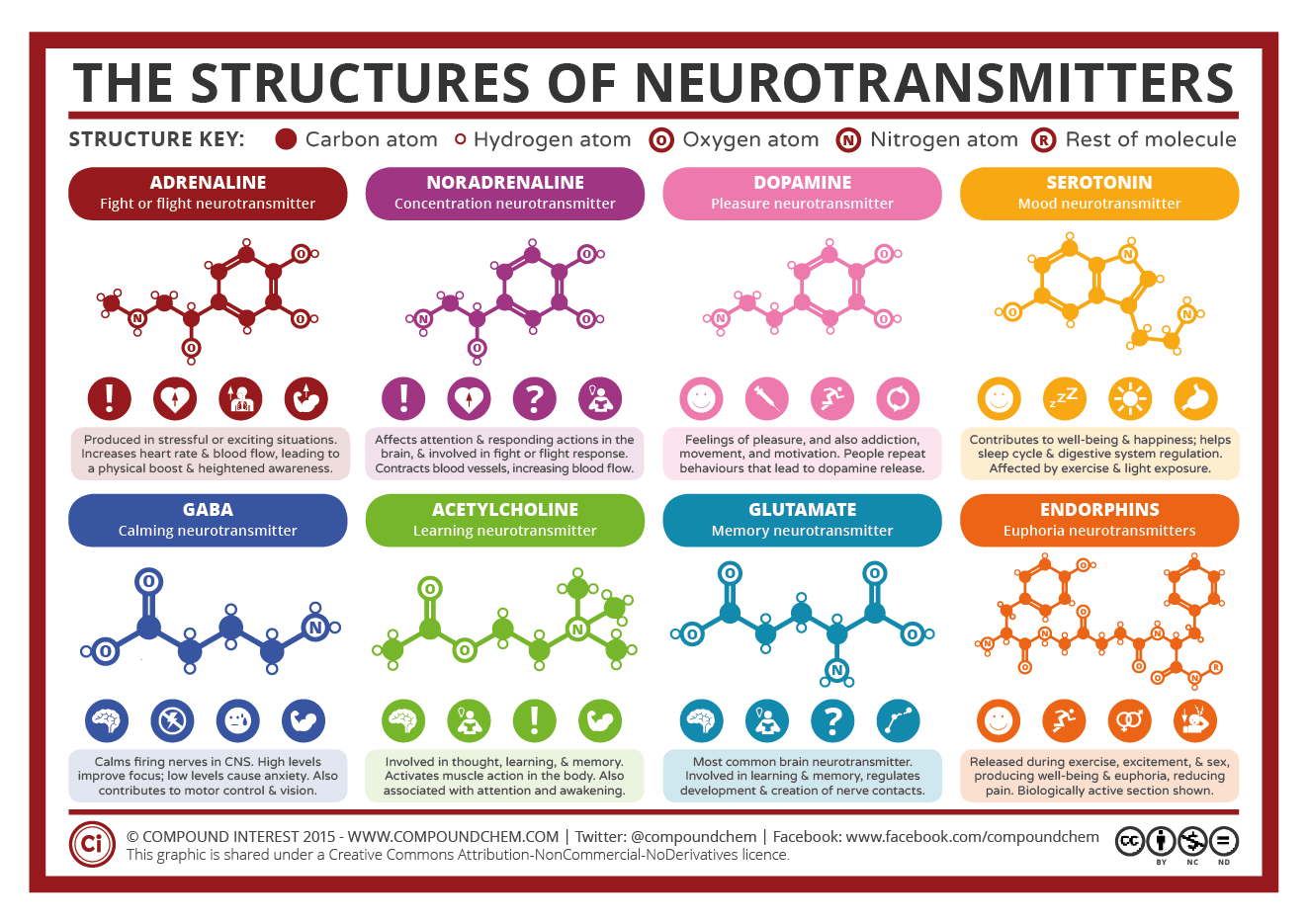
Neurotransmitters are chemical messengers produced by neurons to transmit signals across the synapse (gap) to other cells, such as neurons, muscles, or glands. They are essential for regulating bodily functions, including mood, sleep, heart rate, muscle movement, and cognition. They can be excitatory (promoting signals) or inhibitory (blocking signals)

What are neurons?

What are cells?

What are muscles?

What is heart rate?

What is cognition?

What is Narcolepsy?

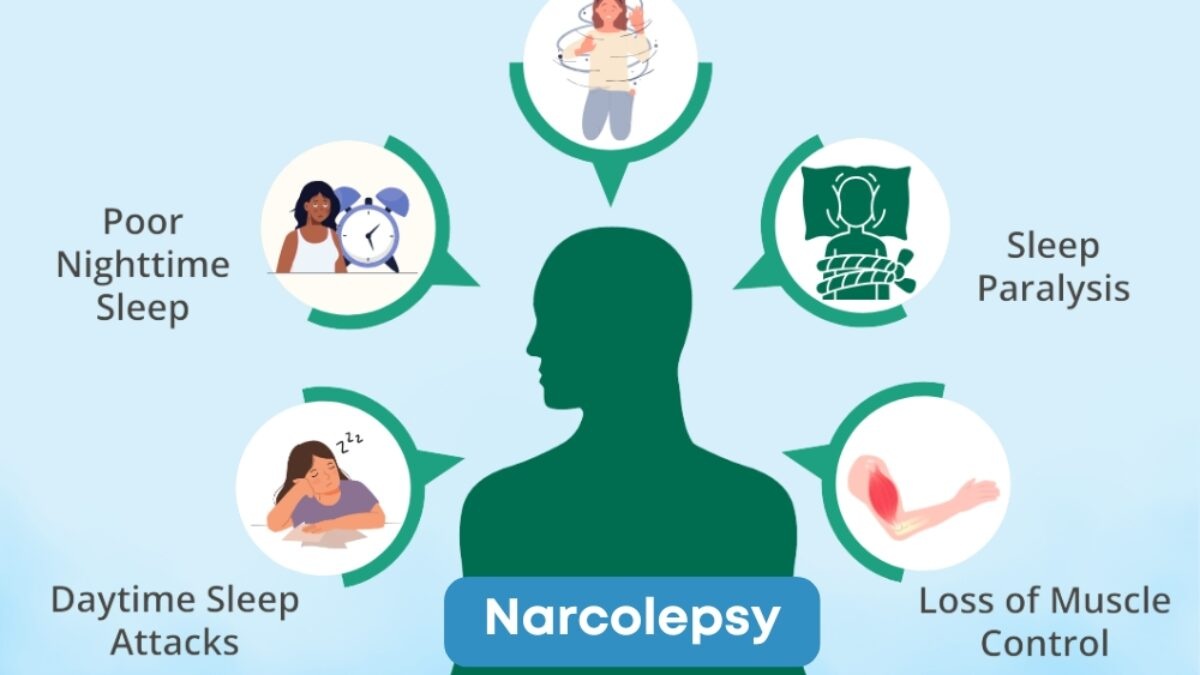
Narcolepsy is a chronic neurological disorder that impairs the brain’s ability to regulate sleep-wake cycles, leading to excessive daytime sleepiness and sudden “sleep attacks”. It often involves a lack of the brain chemical hypocretin/orexin, resulting in symptoms like cataplexy, hallucinations, and sleep paralysis.

What is a neurological disorder?

What is a sleep-wake cycle?

What is a sudden “sleep attack”?

What is hypocretin/orexin?

What is cataplexy?

What are hallucinatons?

What is sleep paralysis?

What is ADHD?

Attention-deficit/hyperactivity disorder (ADHD) is a common neurodevelopmental disorder characterized by persistent patterns of inattention, hyperactivity, and/or impulsivity that interfere with daily functioning. Usually diagnosed in childhood, it often persists into adulthood. Symptoms can be managed through treatments and therapy and medication.

What is neurodevelopmental disorder?

What is inattention?

What is hyperactivity?

What is impulsivity?

What is phenethylamine class?

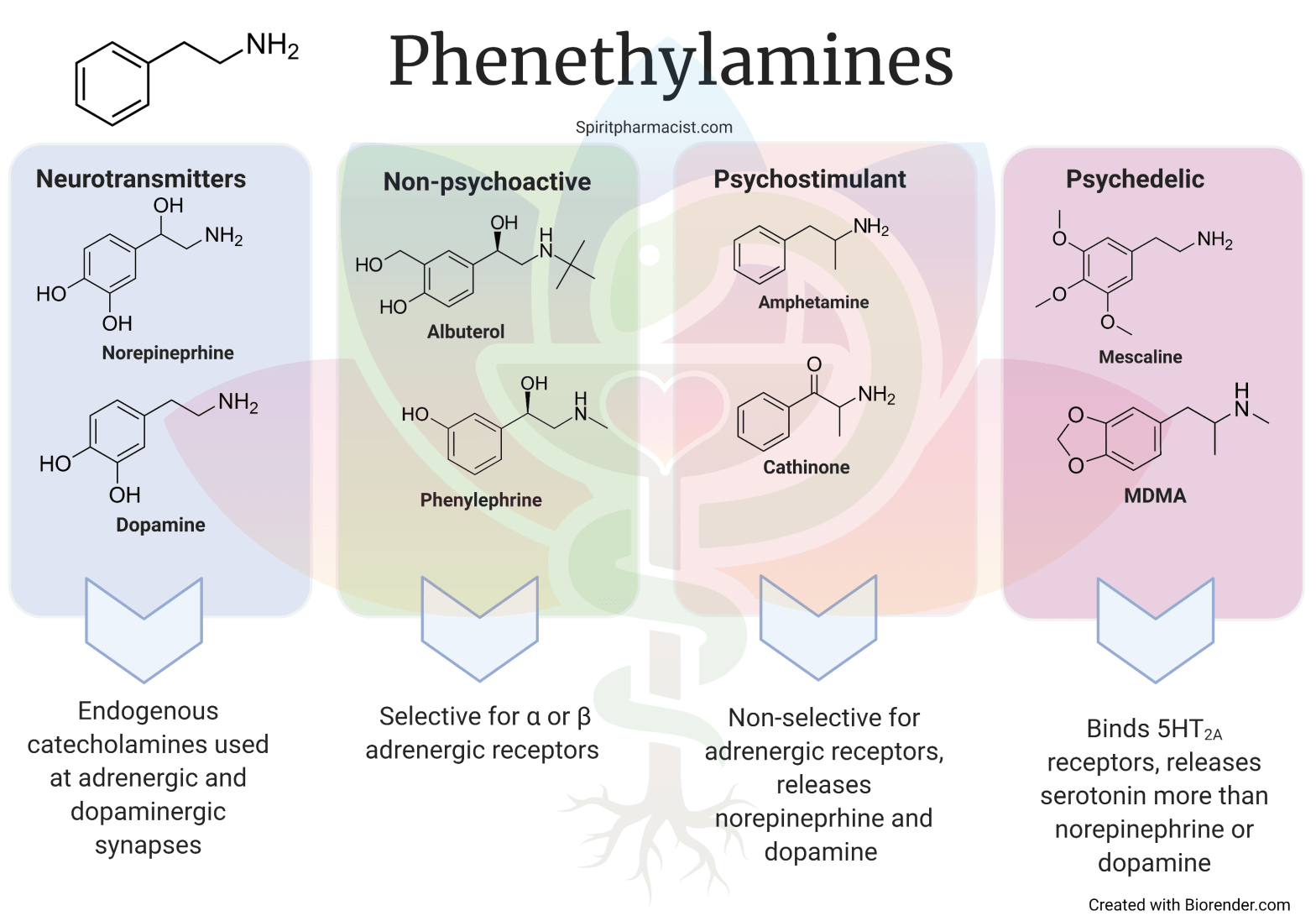
The phenethylamine class refers to a broad and diverse group of organic compounds that share a specific chemical backbone. This family includes everything from natural occurring neurotransmitters in the human body to many well-known medications and psychoactive substances.

Chemical Structure

At its core, a phenethylamine molecule consists of phenyl group (a ring of six carbon atoms) attached to an ethyl group (a two-carbon chain), which terminates in an amino group (-NH2).

The basic formula is C8H11N. By replacing one or more hydrogen atoms on this skeleton with other functional groups (like methoxy or methyl groups), chemists can create hundreds of different “substituted phenethylamines,” each with vastly different effects.

What are neurotransmitters?

What are psychoactive substances?

What is a phenyl group?

What is an ethyl group?

What is an amino group?

What is a methoxy group?

What is a methyl group?

What are stimulants?

A stimulant is a class of drugs that increases the activity in the central nervous system and body, enhancing alertness, attention, energy, and physical performance. They work by increasing levels of neurotransmitters like dopamine and norepinephrine, often leading to increased heart rate, breathing, and blood pressure, with high potential for addiction.

What is drugs?

What is the central nervous system?

What is alertness?

What is attention?

What is energy?

What is physical performance?

What are neurotransmitters?

What is dopamine?

What is norepinephrine?

What is heart rate?

What is blood pressure?

What is addiction?