
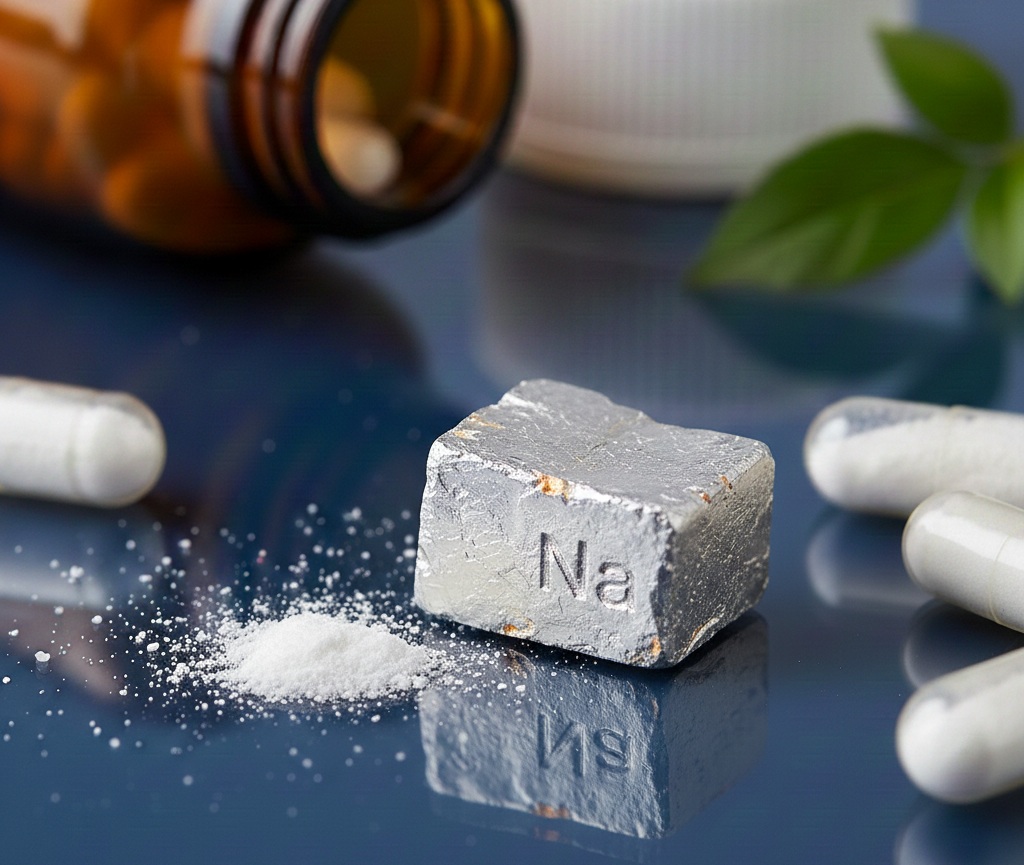
Disclaimer!
This post was created with the aid of Google AI “Gemini” and is written for documentation and entertainment purposes only. Always do your own research and be skeptical about everything you see and read on the internet.
Sodium
Benefits of Sodium
Sodium is a crucial mineral and electrolyte that the body needs for several vital functions. While excessive intake is a major public health concern, a certain amount is necessary for survival.
Fluid Balance
Sodium is the primary electrolyte that helps regulate the balance of fluids inside and outside of your cells. It works with potassium to control how much water your body retains, which is essential for proper hydration and maintaining blood volume.
Nerve Function
Nerve cells use electrical signals to communicate. Sodium and potassium are key planners in this process, creating the electrical charges necessary for the transmission of nerve impulses throughout the body. This is how your brain communicates with your muscles and other organs.
Muscle Contraction
Just like with nerves, sodium is required for normal muscle function, including the contraction of your heart muscle. The movement of sodium and potassium across muscle cell membranes is what allows muscles to contract and relax.
Nutrient Absorbtion
Sodium also plays a role in the absorption of certain nutrients, such as glucose and some amino acids, from the small intestine into the bloodstream.
While these benefits are vital, it’s important to remember that most people in developed countries consume far more sodium than they need, primarily from processed and restaurant foods. This is why the focus is often on reducing sodium intake rather than highlighting its benefits.
Signs of Sodium Deficiency
Sodium deficiency, known as hyponatremia, can be dangerous because it disrupts the balance of fluids in and around your cells. When sodium levels drop, water moves into your cells to compensate, causing them to swell. This is particularly dangerous for brain cells, which can lead to serious neurological symptoms.
Common Symptoms
- Nausea and vomiting: These are often some of the first signs of hyponatremia.
- Headaches and confusion: As brain cells swell, it can cause increased pressure and affect cognitive function, leading to confusion, lethargy, or irritability.
- Muscle cramps, weakness, or spasms: Sodium is essential for proper muscle contraction, so a deficiency can impair muscle function.
- Fatigue: A general feeling of low energy and drowsiness is common.
Severe Complications
If the sodium level drops rapidly or becomes critically low, It can lead to life-threatening conditions.
- Seizures and Coma: Severe swelling of brain cells can lead to seizures and, in extreme cases, a loss of consciousness and coma.
- Brain Swelling (Cerebral Edema): The brain is enclosed in the skull with no room to expand. Swelling can cause a rapid increase in intracranial pressure, potentially leading to brain herniation and death.
- Respiratory Arrest: In most severe cases, the swelling can affect the brain’s ability to control breathing, leading to respiratory failure.
It’s important to note that while diet is a factor, hyponatremia is often caused by other issues, such as excessive sweating without electrolyte replacement, severe vomiting or diarrhea, kidney problems, or the use of certain medications like diuretics.
Sources of Sodium
Sodium is found in almost all foods, but the amount varies significantly. The vast majority of sodium in a typical diet comes from processed foods, not from adding salt at the table.
Processed and Prepared Foods
Over 70% of the sodium consumed by most people comes from these sources. Sodium is added to processed foods for several reasons: to act as a preservative, to enhance flavor, and to improve texture.
- Breads and Baked Goods: Even though they don’t taste salty, a single slice of bread can contain a significant amount of sodium.
- Processed Meats: Deli meats, bacon, sausages, and cured hams are loaded with sodium for flavor and preservation.
- Canned and Packaged Goods: Canned soups, vegetables, and ready-made meals are notoriously high in sodium.
- Condiments and Sauces: Ketchup, soy sauce, salad dressings, and marinades are major contributors.
- Snacks: Chips, pretzels, and many savory crackers are high in sodium.
Natural Food Sources
While the amounts are much smaller, sodium is naturally present in many whole foods.
- Vegetables: Celery, beets, and leafy greens contain a small amount of natural sodium.
- Dairy: Milk and cheese have some natural sodium content.
- Meat and Seafood: Fresh meat, poultry, and fish naturally contain a small amount of sodium.
Table Salt
Table salt is a combination of sodium and chloride (sodium chloride) and is the most direct source of sodium. While it’s what people often think of first, it accounts for a smaller portion of total sodium intake for most people compared to processed foods.
Enjoyed this post? Don’t miss the next one.

 ZutisBljeg