
Disclaimer!
This post was created with the aid of Google AI “Gemini” and is written for documentation and entertainment purposes only. Always do your own research and be skeptical about everything you see and read on the internet.
Introduction
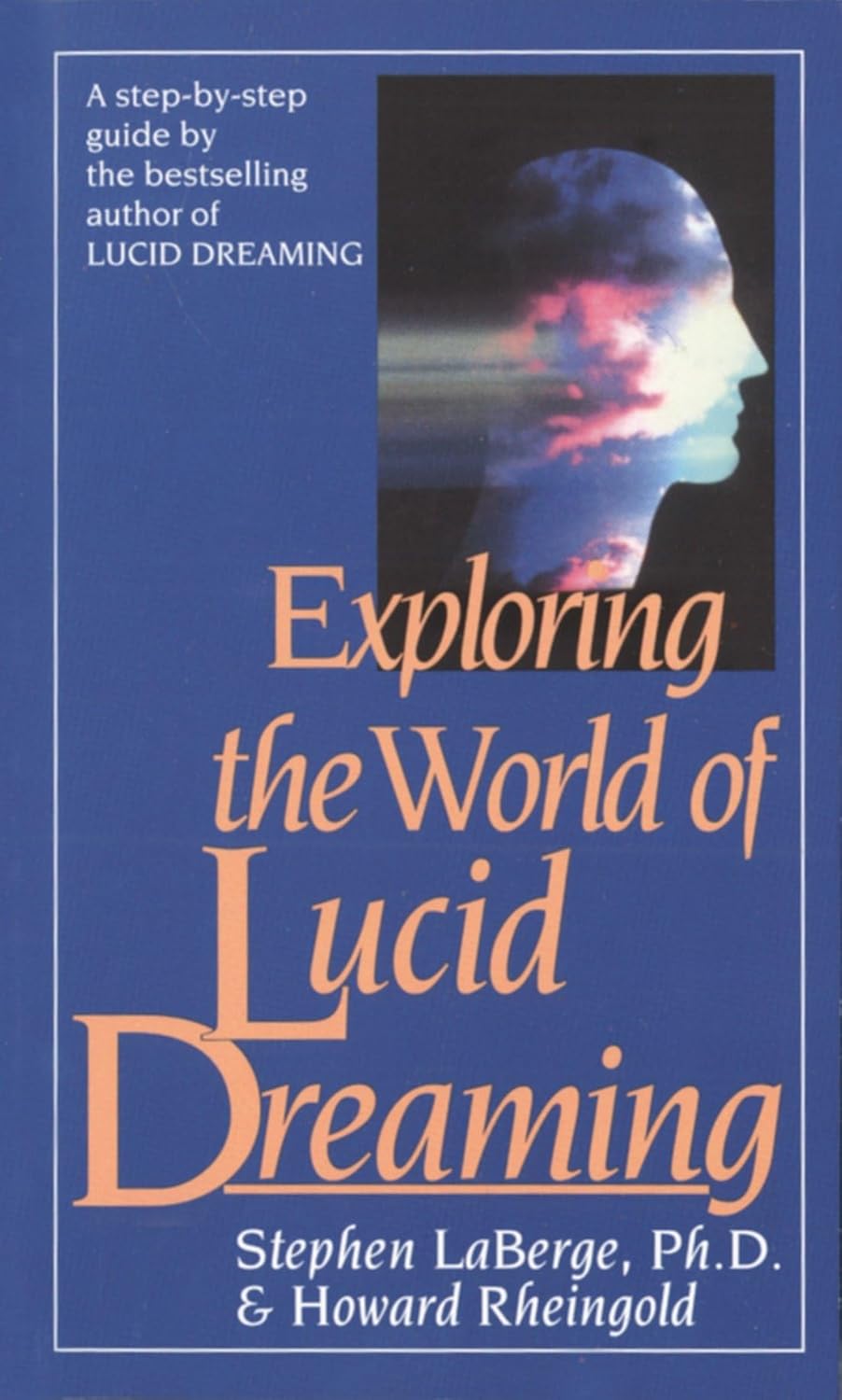
In “Exploring the World of Lucid Dreaming”, Dr. Stephen LaBerge and Howard Rheingold provide the definitive scientific and practical manual for waking up inside your dreams. For a visionary entrepreneur who views themselves as the source of all value, this book is essentially a guide to mastering the “R&D lab” of the subconscious minds.
LaBerge, a Stanford researcher, provides that lucid dreaming is a learnable skill that allows you to use the 20-30% of your life spent sleeping for creativity, problem-solving, and self-mastery.
1. The Foundation: Awareness and Memory
You cannot lead a dream if you don’t remember it. The authors emhasize
Dream Recall
Keeping a dream journal is non-negotiable. This builds the “market awareness” of your internal world.
Reality Testing
Frequently asking “Am I dreaming?” during the day creates a habit that eventually triggers lucidity at night. It’s about maintaining a constant state of critical awareness.
2. Induction Techniques (The “Chemistry” of Sleep)
The book outlines specific “formulas” to trigger lucidity
MILD (Mnemonic Induction of Lucid Dreams)
Using prospective memory – setting an intention to recognize you are dreaming before you fall asleep.
WBTB (Wake Back to Bed)
Waking up after several hours of sleep, staying awake briefly to sharpen the mind, and then returning to sleep to dive directly into a REM cycle.
DILD vs. WILD
Distinguishing between becoming lucid during dream versus entering the dream state directly from wakefulness without losing consciousness.
3. Mastering the Dream State
Once lucid, the challenge is staying in the dream without waking up.
Emotional Control
Just as in the business, getting to excited can “crash” the system. You must remain calm.
Spinning and Hand Rubbing
Physical actions within the dream that provide sensory input to the “dream body,” stabilizing the environment and preventing premature awakening.
4. Applications for the Entrepreneur
LaBerge explains how to put this “extra time” to work for your vision:
Creative Rehearsal
You can literally “test” your custom clothing designs or visualize the layout of your brand’s future store in a 3D, immersive enviroment.
Problem Solving
You can call upon “dream characters” (which are manifestations of your own subconscious) to provide insights or play the role of a “Blue” analytical consultant.
Overcoming Fear
By facing nightmares or anxieties in a lucid state, you build the confidence to face real-world market challenges.
5. The Ethical and Spiritual Dimension
The authors argue that lucidity leads to a more “awake” life in general. By realizing that you are the creator of your dream world, you reinforce the belief that you are the source of value in your waking life. This “waking up” process aligns with your drive to act with integrity and clarity.
Why this fits your Vision
Lucid dreaming is the ultimate tool for a creative entrepreneur. It allows you to utilize your “chemistry” of thought in a space where the laws of physics don’t apply, giving you a competitive edge in brainstorming and mental resilience. It’s about taking total ownership of your mind – both day and night.

 ZutisBljeg