
Disclaimer!
This post was created with the aid of Google AI “Gemini” and is written for documentation and entertainment purposes only. Always do your own research and be skeptical about everything you see and read on the internet.
Introduction
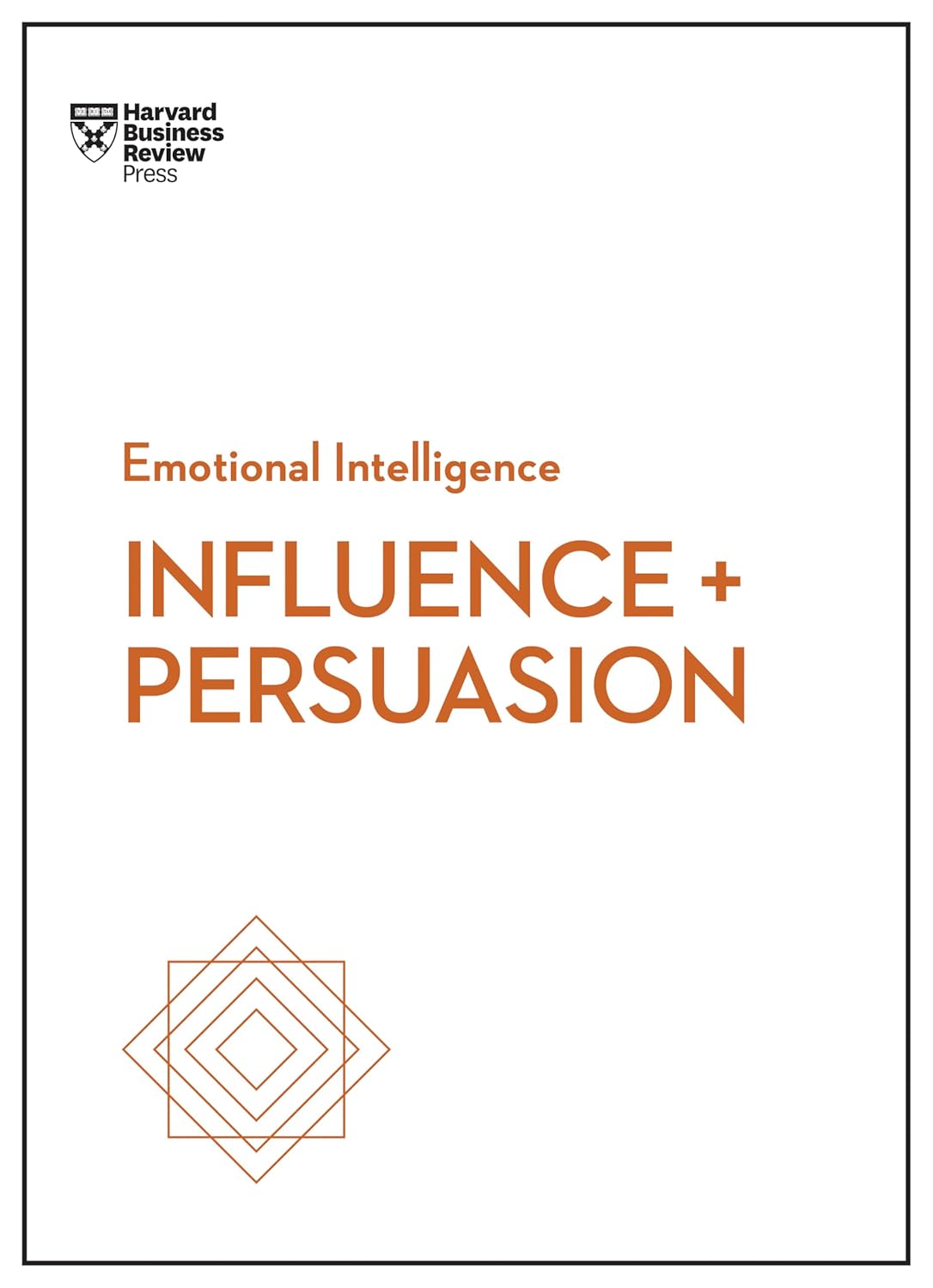
In the HBR Emotional Intelligence Series: Influence and Persuasion, Harvard Business Review examines the subtle art of moving people toward your ideas without using formal authority. For an entrepreneur who is the “source of all value,” this book provides the emotional and tactical framework to turn your vison into a shared goal for your customers, partners, and team.
1. The Science of Persuasion (Robert Cialdini)
A central pillar of this collection is the work of Dr. Robert Cialdini, who argues that persuasion is governed by universal psychological principles rather than just “charm”
Reciprocity
Give something of value first (like your high-quality blog content).
Liking
People say yes to those they like. Share your “Entrepreneurial Vision” to build a personal connection.
Social Proof
Use testimonials to show that others trust your branded notebooks and clothing.
Authority
Leverage your specialized knowledge in chemistry and health to establish expertise.
Scarcity
Highlight the unique, limited nature of your custom-branded goods.
2. Emotional Intelligence (EQ) as Influence
HBR emphasizes that influence is an “inside-out” process
Self-Awareness
You must understand your own triggers and “brand” before you can influence others.
Empathy
Real persuasion requires understanding the other person’s needs so deeply that your proposal feels like the natural solution to their problem.
The “Benefit All Parties” Mindset
Sustainable influence isn’t about manipulation; it’s about finding the intersection between your vison and the market’s needs.
3. The Power of Storytelling
The book argues that data alone rarely moves people. To launch your vision effectively:
Narrative Structure
Frame your brand’s journey – why you started, your ethical drive, and the creativity behind your products – as a story.
The “Aha!” Moment
Lead your audience to a conclusion where they feel like they discovered the value of your brand themselves.
4. Navigating Organizational Politics
Even as a solo entrepreneur, you deal with “power dynamics” when negotiating with suppliers or manufacturers
Mapping the Stakeholders
Identify who the “decision-makers” and “gatekeepers” are.
Building Bridges
Use the “soft power” of relationship-building to gain favor before you ever make a formal “sit-down” request.
5. Ethical Influence
A key theme is the “long game.” HBR warns that using persuasion to trick people leads to a destroyed reputation. Because you are driven by an ethical drive, your influence becomes more powerful because it is rooted in integrity.
Why this fits your Vision
You’ve noted that you have the market awareness and the creativity. This book acts as the “catalyst” for those traits. It teaches you how to project your internal value outward so that the market doesn’t just see a notebook or a pen, but a vision they want to be a part of.

 ZutisBljeg