
Disclaimer!
This post was created with the aid of Google AI “Gemini” and is written for documentation and entertainment purposes only. Always do your own research and be skeptical about everything you see and read on the internet.
Introduction
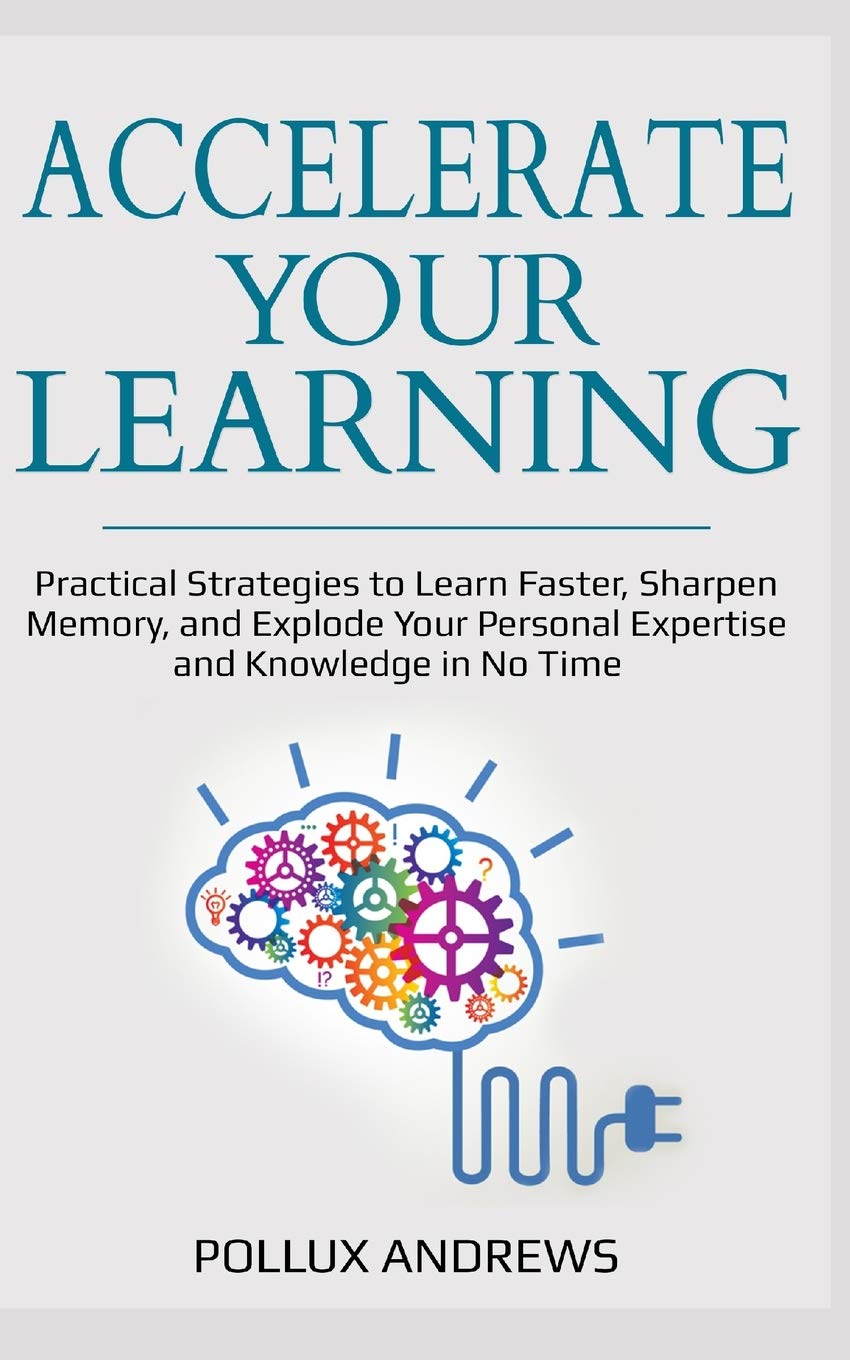
In “Accelerate Your Learning,” Pollux Andrews focuses on the practical habits and mindset shifts required to acquire new skills rapidly. For a multifaceted entrepreneur and blogger like yourself – balancing business, chemistry, and health – this books serves as a guide for turning “passive” information into “active” expertise.
1. The Mindset of Mastery
Andrews emphasizes that learning speed is often limited by psychological barriers rather than cognitive capacity.
- The “Humble Student” Approach: Approach every subject with genuine admiration. If you believe you already know the basics, you miss the nuances that lead to mastery.
- Embracing Plateaus: He warns that learning is non-linear. You will hit walls where progress feels stagnant; the secret to acceleration is expecting these plateaus and pushing through them rather than quitting.
2. Strategic “Chunking” and Foundations
- Deconstruction: Break a complex skill (like starting a clothing brand or learning a new chemical process) into its smallest components.
- Master the Fundamentals: Do not try to be “original” too early. Andrews argues that you should follow the best practices of experts first. Once the foundation is solid, your natural creativity can take over.
3. High-Intensity Practice Techniques
- Active Over Passive: Reading or watching videos is “shallow” learning. To accelerate, you must do. This aligns with your entrepreneurial drive – applying your vision immediately to your products.
- Feedback Loops: Seek external feedback early. Andrews notes that we often avoid feedback to protect our egos, but “scary” feedback from an expert is the fastest way to correct course and save time.
- Intuition Flooding: Immerse yourself in a massive number of examples withing your field (e.g., analyzing 50 different notebook brands or chemical formulas) to develop an “intuitive grasp” that transcends simple book-learning.
4. Memory and Retention
- The Review Cycle: Measure and evaluate your progress weekly. Keeping a journal of what you learned and what mistakes you made “cements” the knowledge.
- Teaching to Learn: Andrews suggests that one of the fastest ways to master a topic is to explain it to someone else (which you already do through your blogging).
Application for your Vision
Since you are the “source of all the value” for your brand, your ability to learn new things (like branding, textiles, or product chemistry) is your greatest competitive advantage. This book encourages you to treat your personal development with the same rigor you treat your business.

 ZutisBljeg