
Disclaimer!
This post was created with the aid of Google AI “Gemini” and is written for documentation and entertainment purposes only. Always do your own research and be skeptical about everything you see and read on the internet.
Introduction
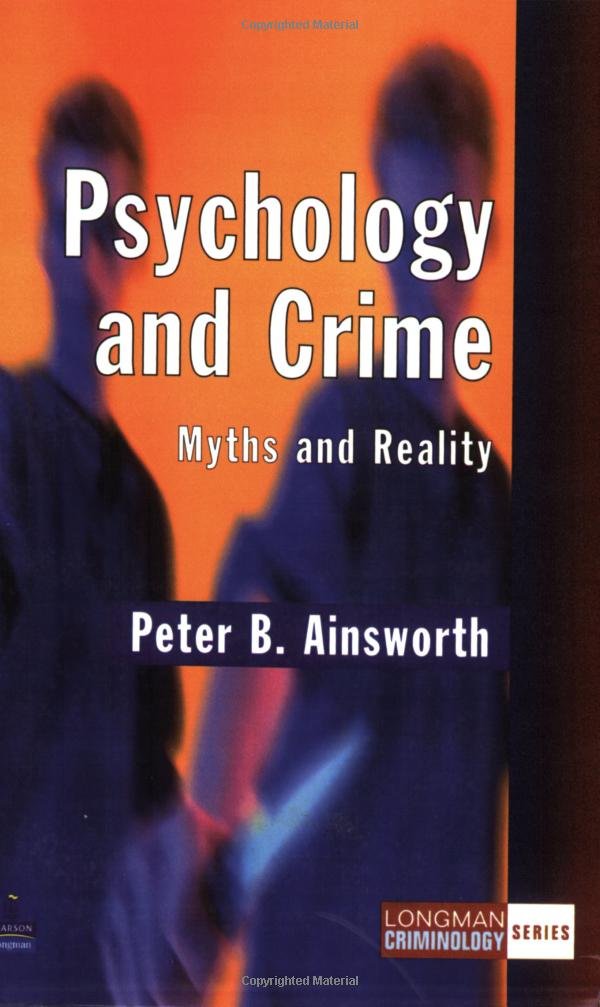
In Psychology and Crime, Peter B. Ainsworth, explores the intersection of psychological theory and the criminal justice system. Unlike the aggressive “Hustler” mentality of 50 Cent or the sales-driven focus of Jordan Belfort, Ainsworth takes an academic and analytical approach to understand human behavior at its most deviant.
For an entrepreneur, this book provides a deep dive into social psychology – understanding how people think, why they break rules, and how to read the “chemistry” of human interaction.
Core Themes of the Book
1. Theories of Crime Causation
Ainsworth examines why people commit crimes, moving through several psychological lenses:
- Biological/Social Learning: Is “criminality” inherited or learned? Ainsworth leans toward the idea that environmental factors and “modeling” (watching others) play a massive role.
- Rational Choice Theory: This aligns with your interest in market awareness. It suggests that many criminals make a “cost-benefit” analysis before acting. They weigh the risk of being caught against the potential reward.
2. The Fallibility of memory (Eyewitness Testimony)
One of the most critical sections for any leader is Ainsworth’s look at how easily the human mind is deceived.
- Reconstructive Memory: People don’t “replay” events, they reconstruct them based on expectations and biases.
- Application: In business, this reminds you that two people can leave the same meeting with completely different “truths.” Documentation and “intense realism” (Greene) are your defenses against this.
3. Investigative Psychology & Profiling
Ainsworth critiques the “Hollywood” version of profiling. He emphasizes that:
- Consistency: Offenders often show a “signature” or consistent pattern in how they approach a task.
- The Environment: The “where” and “how” of a crime often tell you more about the person’s background than their psychological “type.”
4. The Psychology of the Courtroom
Ainsworth details how persuasion works in a legal setting, which parallels Bertolt’s tactics. He explores how:
- Attractiveness & Confidence: Juries are more likely to believe a witness who appears confident and “sharp,” regardless of the accuracy of their testimony.
- The Power of Label: Once someone is labeled a “criminal” or “outsider,” it changes how every subsequent action they take is perceived.
Strategic Takeaways for the Entrepreneur
Understanding Deviance
As you build your brand, understanding why people “cut corners” or act unethically can help you build robust systems to protect your “source of value.”
Reading the Room
Ainsworth’s insights into body language and “interrogation” tactics can be inverted to help you high-stakes negotiations or when vetting potential partners.
Social Influence
The book explains how groups can influence an individual to act against their own best interest – a concept you can use to understand (and lead) consumer behavior and brand loyalty.
Integrating the “Ainsworth Lens” with your Vision
| Concept | Application to Your Brand |
| Cognitive Bias | Recognizing that your customers’ perception is their reality. |
| Rational Choice | Ensuring the “reward” of buying your brand far outweighs the “cost.” |
| Environmental Influence | Creating a brand “lifestyle” that encourages the behavior you want to see. |
Ainsworth teaches that while we like to think we are unique, human behavior follows remarkably predictable patterns. Mastering these patterns gives you a “chemical” advantage in both lifestyle blogging and business.

 ZutisBljeg