
Disclaimer!
This post was created with the aid of Google AI “Gemini” and is written for documentation and entertainment purposes only. Always do your own research and be skeptical about everything you see and read on the internet.
Introduction
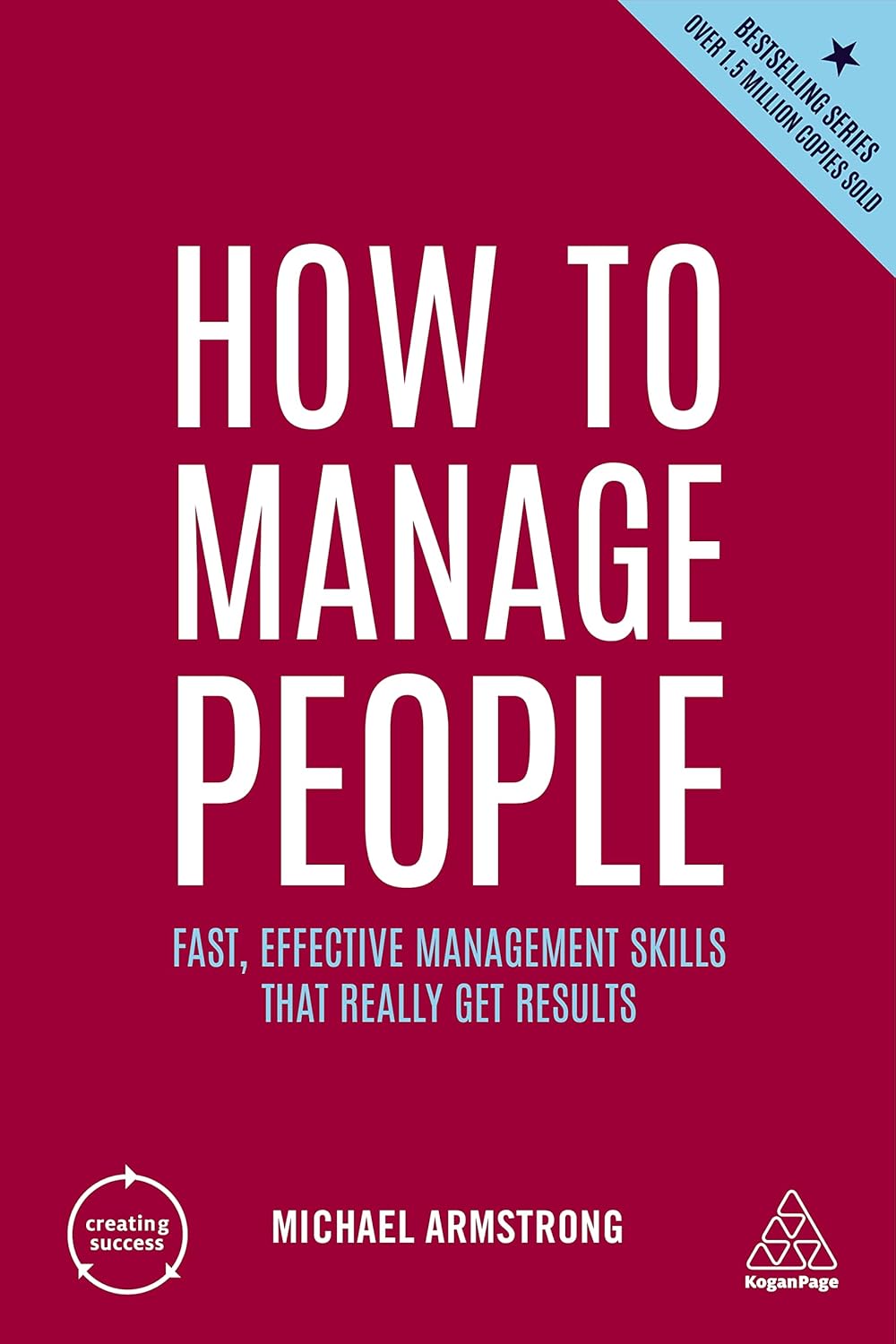
In “How to Manage People,” Michael Armstrong provides a definitive guide to the “human chemistry” of leadership. For a visionary entrepreneur, this book moves beyond theory into the mechanics of how to build a team that can execute your brand’s vision with the same ethical drive and creativity you possess.
Armstrong views management not as a title, but as the process of getting results through people.
1. The Role of the Manager
Armstrong defines management through four core functions
Planning
Setting clear objectives for your brand (e.g., launching your custom clothing line).
Organizing
Ensuring the right resources and “chemistries” are in place to meet those goals.
Motivating
Creating an environment where people want to perform.
Controlling
Monitoring progress against your vision without micromanaging.
2. High-Performance Leadership
The book emphasizes that your leadership style should be situational
Defining the Vision
As source of value, you must articulate the “why” behind your brand.
Developing Individuals
Helping your team grow so they become more valuable assets to the business.
Building the Team
Transforming a group of individuals into a cohesive unit that shares your ethical standards.
3. The Essentials of Motivation
Armstrong draws on classic psychological theories to explain how to keep a team engaged
Intrinsic vs. Extrinsic
While money (extrinsic) matters, the most sustainable value comes from a sense of achievement and the work itself (intrinsic).
Engagement
When people feel their work contributes to a “visionary brand,” their productivity increases.
Recognition
Timely, specific praise is often more powerful than a formal review.
4.Handling Difficult Situations
A key part of managing people is navigating friction
Performance Management
Addressing issues early and factually (using “Blue” analytical traits) rather than emotionally.
Conflict Resolution
Like the communication strategies of Alan Baker, Armstrong advocates for finding common ground to ensure “all parties benefit.”
Dismissal
If someone does not align with your brand’s ethics or vision, Armstrong provides a structured, professional way to part ways.
5. Effective Delegation
For an entrepreneur who is the “source of all value,” delegation is often the hardest skill to master. Armstrong argues it is essential for growth
Assigning Results, Not Tasks
Tell people what needs to be achieved (e.g., “Design a notebook that reflects our brands luxury”), not exactly how to do every step.
Trust but Verify
Give them the autonomy to be creative, but keep a “market awareness” eye on the output.
Why this fits your Entrepreneurial Vision
As you prepare to launch your vision, you will transition from “The Creator” to “The Leader.” Armstrong’s framework ensures that as your brand grows to include custom clothing, notebooks, and pens, you remain the conductor of the orchestra – ensuring every person you manage is adding value back into the system.

 ZutisBljeg