
Disclaimer!
This post was created with the aid of Google AI “Gemini” and is written for documentation and entertainment purposes only. Always do your own research and be skeptical about everything you see and read on the internet.
Introduction
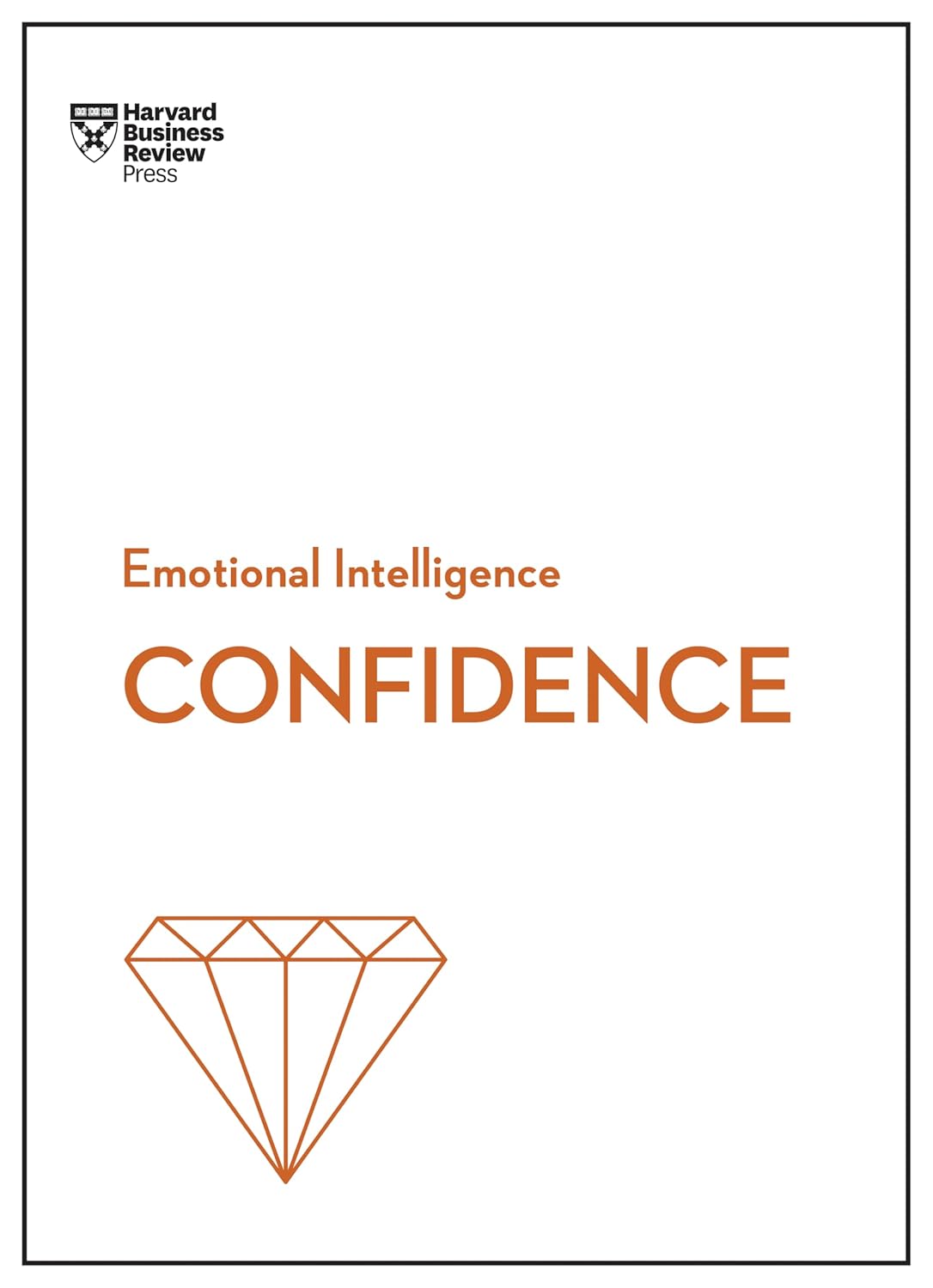
In the HBR Emotional Intelligence Series: Confidence, Harvard Business Review examines the science of self-assurance – not as an innate trait someone is born with, but as a mental muscle that can be developed through competence and deliberate practice.
For a visionary entrepreneur, this book provides the framework to transition from “believing in your brand” to “executing your brand” with authoritiy.
1. The competence-Confidence Loop
HBR argues that real confidence is not just “thinking you are great”; it is the byproduct of competence.
The Cycle
You take an action, achieve a result, and that success fuels your confidence to take a larger action next time.
Preparation is Key
Confidence is highest when you have done the “chemistry” of the work – market research, product testing, and strategy.
2. Overcoming the “Confidence Gap”
The series addresses the psychological hurdles that prevent even high achievers from stepping up:
Imposter Syndrome
Acknowledging that feeling like a “fraud” is common among entrepreneurs. The book suggests focusing on the value you provide rather than your internal insecurities.
The perfectionism Trap
High standards are good, but waiting for the “perfect” launch can kill momentum. Confidence comes from being comfortable with “good enough” to start and “brave enough” to iterate.
3. Presence and Influence
Confidence must be communicated effectively to “benefit all parties involved.”
Executive Presence
This isn’t about being the loudest person in the room; it’s about being the most grounded. It involves using your Focus to listen deeply and respond with clarity.
Body Language
The book references research on how physical posture can actually lower cortisol (the stress hormone) and increase testosterone (the “dominance” hormone), making you feel more powerful.
4. Resilient Confidence
Since you are the source of all value in your vision, your confidence must be durable enough to withstand failure.
Self – Compassion
HBR notes that being kind to yourself after a mistake is more effective for building confidence than harsh self criticism.
Growth Mindset
Viewing every setback not as a reflection of your worth, but as data point to improve your brand’s “chemistry.”
How this aligns with your Vision
As the “Entrepreneur,” your confidence is the anchor for your brand. When you act with confidence, your ethical drive becomes contagious, making it easier to sell your custom clothing and notebooks.
This book reinforces that your market awareness and creativity are the foundations upon which your confidence is built.

 ZutisBljeg