
Disclaimer!
This post was created with the aid of Google AI “Gemini” and is written for documentation and entertainment purposes only. Always do your own research and be skeptical about everything you see and read on the internet.
Introduction
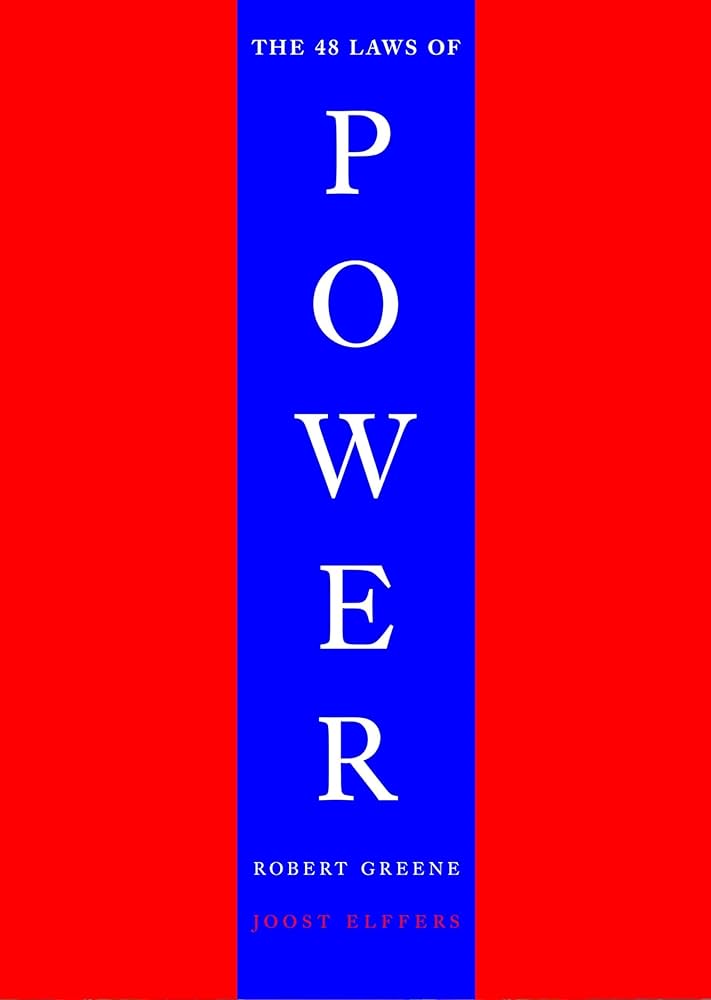
Robert Greene’s The 48 Laws of Power (1998) is a pragmatic, often controversial guide to the “game” of power. Drawing on 3,000 years of history -from Machiavelli to P.T. Barnum – Greene argues that power is amoral, and whether you chose to play or not, you are already part of the struggle.
For an entrepreneur like you, these laws are often viewed through two lenses: as a manual for strategic dominance or as a defense manual to identify and neutralize manipulative tactics form competitors.
Core Philosophy
Greene suggests that to master power, you must:
Master your emotions
Never act out of anger or insecurity.
Prioritize appearances
Perception is often more influential than reality.
Be adaptable
Rigid patterns make you a target; “formlessness” makes you untouchable.
The 48 Laws (Categorized)
To make this extensive list scannable, here are the laws grouped by their strategic intent
1. Managing Superiors and Reputation
| Law | Principle |
| Law 1 | Never Outshine the Master: Always make those above you feel superior. |
| Law 5 | Guard Reputation with Your Life: Reputation is the cornerstone of power. |
| Law 34 | Be Royal in Your Own Fashion: Act like a king to be treated like one. |
| Law 41 | Avoid Stepping into a Great Man’s Shoes: Forge your own path instead of following a legend. |
2. Information and Deception
| Law | Principle |
| Law 3 | Conceal Your Intentions: Keep people off-balance; never let them know your goal. |
| Law 4 | Always Say Less Than Necessary: Powerful people intimidate by being quiet. |
| Law 14 | Pose as a Friend, Work as a Spy: Use social encounters to gather intel. |
| Law 21 | Play a Sucker to Catch a Sucker: Seem dumber than your mark to lower their guard. |
3. Strategic Action and Influence
| Law | Principle |
| Law 13 | Appeal to Self-Interest: Never ask for mercy; show how helping you benefits them. |
| Law 16 | Use Absence to Increase Respect: Scarcity creates value (The Law of Supply and Demand). |
| Law 28 | Enter Action with Boldness: Hesitation is dangerous; mistakes made through boldness are easily corrected. |
| Law 29 | Plan All the Way to the End: Think through every consequence to avoid being surprised. |
4. Handling Rivals
| Law | Principle |
| Law 2 | Never Put Too Much Trust in Friends: Learn how to use enemies; they have more to prove. |
| Law 15 | Crush Your Enemy Totally: If you leave a spark, the fire will eventually return. |
| Law 39 | Stir Up Waters to Catch Fish: Make your enemies angry and emotional while you stay calm. |
Ethical Considerations
Critics often label the book “Machiavellian” or amoral because it prioritizes self-interest over cooperation. However, Greene maintains that he is simply describing the world as it is, not as it should be. For someone building a brand with an “ethical drive,” the book’s value often lies in it’s psychological insights – understanding what motivates people (Law 13) and the importance of a brand’s reputation (Law 5).
Modern Entrepreneurial Application
In the context of your vision to launch a custom clothing and branding business, certain laws are particularly relevant.
Law 6 (Court Attention at All Costs)
Essential for a new brand trying to break through market noise.
Law 25 (Re-create Yourself)
Allows you to forge a powerful public identity for your brand.
Law 40 (Despise the Free Lunch)
In business, anything offered “for free” usually has hidden costs or obligations.

 ZutisBljeg