
Disclaimer!
This post was created with the aid of Google AI “Gemini” and is written for documentation and entertainment purposes only. Always do your own research and be skeptical about everything you see and read on the internet.
Introduction
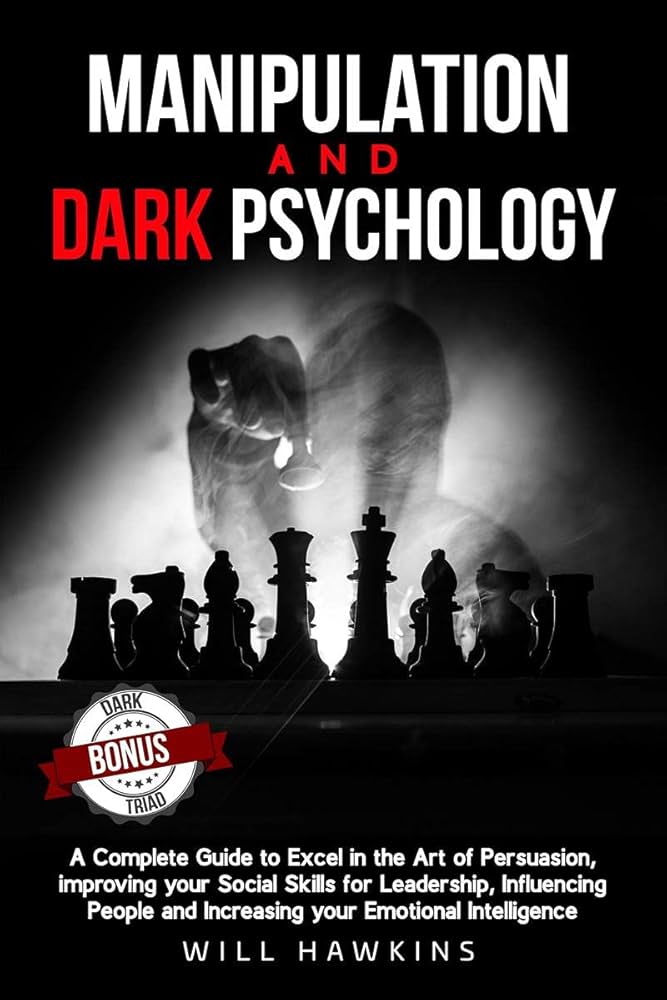
In Manipulation and Dark Psychology, Will Hawkins explores the “shadow side” of human interaction. While your focus is on ethical entrepreneurship and building value, Hawkins argues that understanding these darker tactics is essential for defense. By knowing how manipulators operate, you can protect your brand, your vision, and your resources from being exploited.
The book focuses on the “Dark Triad” of personalities and the specific techniques used to influence others covertly.
1. The Dark Triad
Hawkins identifies three personality traits that frequently use these tactics:
Narcissism
Driven by grandiosity, pride, and lack of empathy.
Machiavellianism
Characterized by the manipulation and exploitation of others, a cynical disregard for morality, and a focus on self-interest and deception.
Psychopathy
Surface charm coupled with impulsivity, selfishness, and total lack of remorse.
2. Common Manipulation Techniques
The book details how “dark” influencers bend the will of others without them realizing it:
Gaslighting
Making someone question their own reality, memory, or perceptions to gain power over them.
Love Bombing
Overwhelming a target with affection and attention to create a fast, intense emotional dependency.
The “Foot-in-the-Door” & “Door-in-the-Face”
*Foot-in-the-Door: Getting someone to agree to a tiny request to make them more likely to argue to a larger one later.
*Door-in-the-Face: Making an initial outrageous request that is sure to be rejected, so that a second, “smaller” request (the actual goal) seems reasonable by comparison>
Guilt Tripping
Using a person’s conscience and empathy against them to force compliance.
3.Subliminal Influence and NLP
Hawkins touches on Neuro-Linguistic Programming (NLP) and how it can be used to bypass the conscious mind:
Anchoring
Associating a specific physical touch or sound with a particular emotional state to “trigger” that emotion later.
Embedded Commands
Hiding instructions within a normal-sounding sentence (e.g., “I don’t know when you will realize this is a great deal”).
4.Vulnerability Assesment
A key part of the book is identifying why people are susceptible to manipulation. Manipulators look for:
The “Need to Please”
People-pleasers are easy targets for guilt.
Emotional Highs/Lows
People are most vulnerable when they are in a state of heightened emotion (fear, excitement, or exhaustion).
Lack of Boundaries
Those who haven’t clearly defined their personal or professional limits.
5. Defensive Strategies (The “Shield”)
For a vision-driven entrepreneur, these are the most practical takeaways:
Trust but Verify
Always look for patterns of behavior rather than isolated words.
Delay Your Response
Manipulators use “urgency” to stop you from thinking. Force a “cooling off” period before signing anything or making big decisions.
Emotional Detachment
Learn to recognize when someone is trying to “push your buttons” and observe the attempt clinically rather than reacting emotionally.
Summary for the Enerpreneur
While Navarro taught you how to read people and Borg taught you how to persuade them ethically, Hawkins teaches you how to guard your perimeter. Since you are “the source of all the value” in your brand, protecting that value from bad-faith actors is a vital skill.

 ZutisBljeg