
Disclaimer!
This post was created with the aid of Google AI “Gemini” and is written for documentation and entertainment purposes only. Always do your own research and be skeptical about everything you see and read on the internet.
Introduction
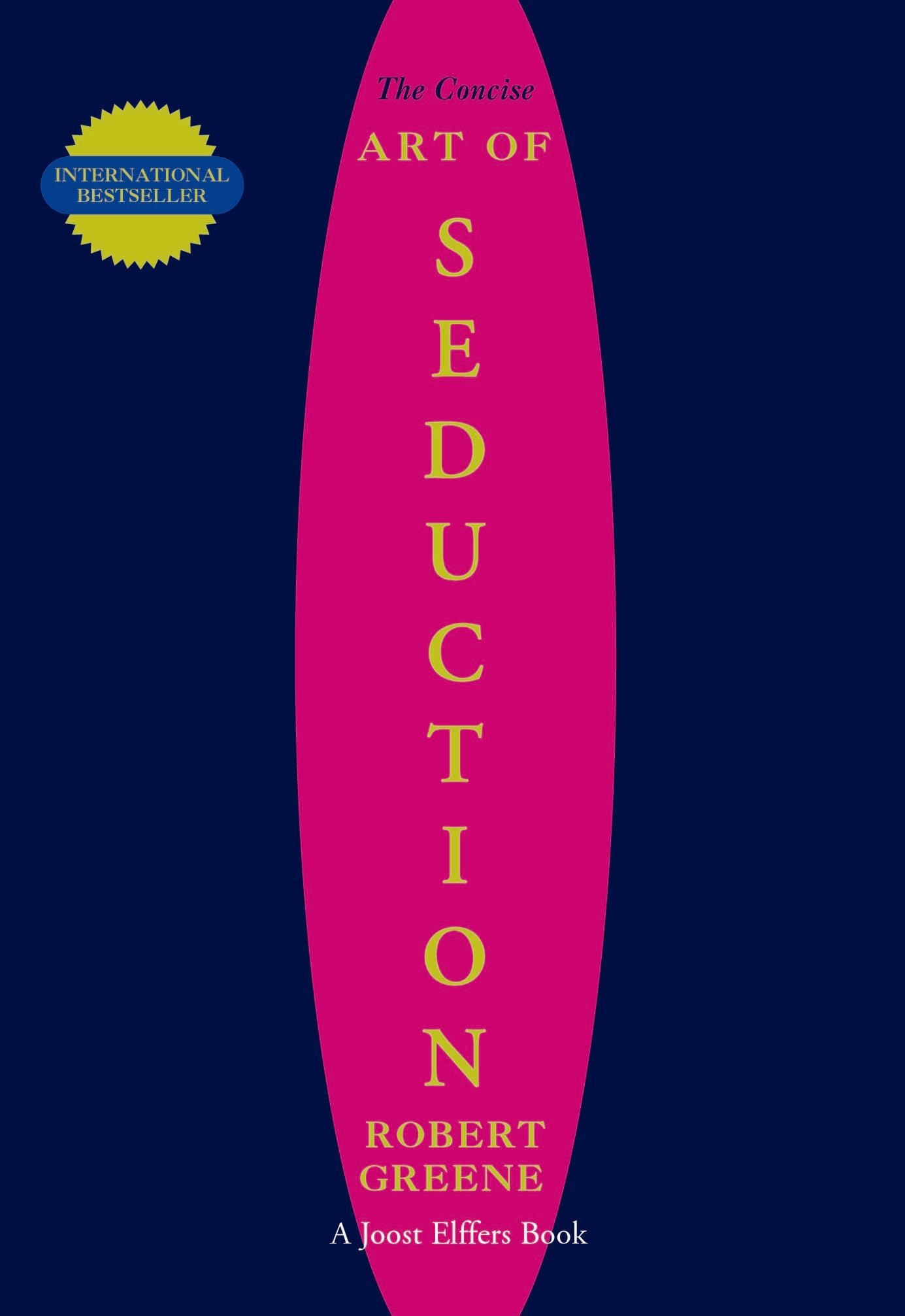
In The Concise Art of Seduction, Robert Greene argues that seduction is not merely about sex or romance; it is a sophisticated form of psychological power and non-verbal influence. For an entrepreneur, this book is about “enchanting” your audience, investors, or customers so they become emotionally attached to your brand and vision.
Greene breaks down seduction into two parts: the Seducer Personas (who you are) and the Seductive Process (how you do it).
1. The 9 Seducer Archetipes
To influence others, you must adopt a persona that plays to your strengths. As a visionary entrepreneur, you might resonate with these specific types:
The Charismatic
Someone who exudes an inner confidence and “vision” that others find magnetic. They often seem to have a purpose greater than themselves.
The Ideal Lover
This type reflects the “ideal” of the person they are seducing. In business, this means your brand becomes exactly what your customer has been longing for.
The coquette
This type masters the “push-pull” dynamic – being hot and cold to keep people interested in chasing.
The Star
Someone who creates a grand, stylized image (your brand) that allows people to escape their mundane lives.
2. The Seductive Process (Phase by Phase)
Greene outlines a 24-step process, but it can be done condensed into four movements:
Phase 1: Separation (Stirring Interest)
You must stand out from the “noise” of the market. Create a sense of mystery or “value” that makes people curious about what you are building.
Phase 2: Lead Astray (Creating Pleasure and Confusion)
Use “insinuations” rather than direct selling. Let people think they are discovering your brand’s value on their own.
Phase 3: The Precipice (Deepening the Hook)
Once you have their attention, move them into an emotional state. This is where your “creativity and ethical drive” create a deeper bond than a simple transaction.
Phase 4: Moving in for the Kill
The final stage of influence is where the target is ready to commit (buy your product, sign the contract, or follow your blog).
3. Key Tactical Concepts
Enter Their Spirit (Mirroring)
Similar to Borg and Navarro, Greene emphasizes “becoming” what the other person needs. Play to their vanities and insecurities.
Create a Need
People cannot be seduced if they are perfectly satisfied. You must subtly highlight what is missing in their life (or current lifestyle) and position your brand as the solution.
The Power of Indirectness
Never be too eager. If you “sell” too hard, people get defensive. Influence works best when it feels like an invitation, not a pitch.
4. The “Anti-Seducer” (What to Avoid)
Greene warns against traits that kill influence instantly:
Being “Clinging” or Needy
This signals low value.
The Moralizer
Judging others or being overly rigid (this is why your “ethical drive” must feel inspiring, not preachy).
Cheapness
Seduction requires an aura of abundance. As an entrepreneur, your brand must feel “worth the value”
Summary for the Entrepreneur
Greene’s work is the “chemistry” of human attraction. It teaches you how to take your “vision” and make it irresistible. While other books you’ve read teach you how to read, talk to, and defend against people, The Art of Seduction teaches how to make people fall in love with your ideas.

 ZutisBljeg